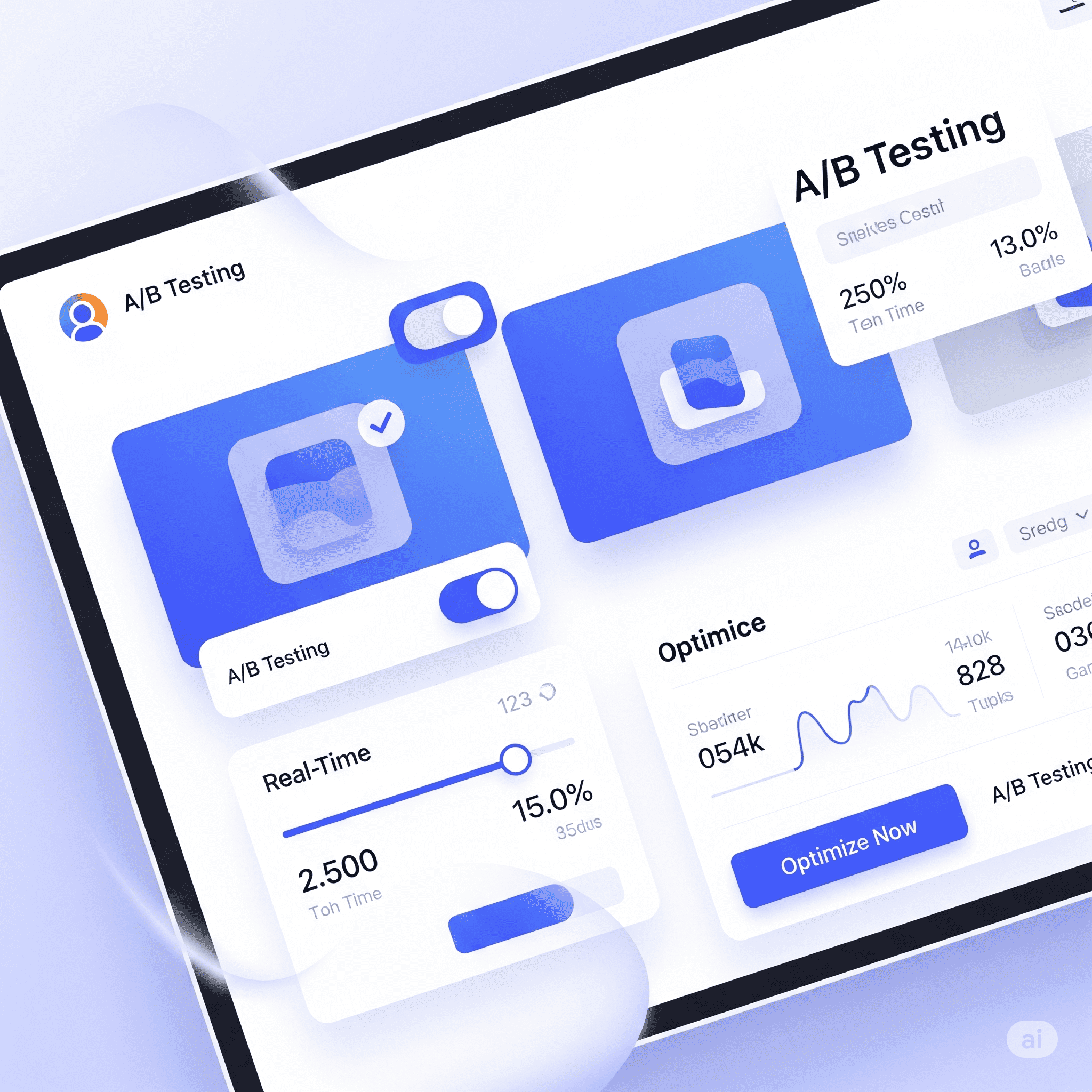
In the digital age, the competition for online attention is fiercer than ever. Whether you run an e-commerce website, a blog, or a corporate platform, understanding your audience’s behavior is key to driving engagement and conversions. A/B testing, also known as split testing, has emerged as a vital strategy for businesses to refine their websites, enhance user experience, and maximize ROI. This article explores five top A/B testing tools that can help you unlock your website’s full potential.
1. Google Optimize
Overview
Google Optimize is a free tool from Google that integrates seamlessly with Google Analytics, making it a go-to option for many organizations. It allows users to experiment with different versions of web pages by serving different content variations to a randomized audience.
Key Features
- User-Friendly Interface: Designed for beginners and advanced users alike, Google Optimize offers a straightforward setup process.
- Rich Targeting Options: Customize experiences based on user segments, behavior, and demographics.
- Integration with Google Analytics: Analyze user behavior and conversion rates alongside your experiments.
Pros and Cons
Pros: Free to use; robust analytics capabilities; easy integration with other Google tools.
Cons: Limited features in the free version compared to competitors.
2. Optimizely
Overview
Optimizely is widely recognized as a leader in the A/B testing space. Its platform is designed for businesses of all sizes looking to fine-tune customer experiences across web and mobile.
Key Features
- Multivariate Testing: Test multiple elements simultaneously to gather deeper insights.
- Analytics and Insights Engine: Get real-time analytics to guide your decision-making.
- Personalization Capabilities: Customize experiences for different user segments based on various factors.
Pros and Cons
Pros: Comprehensive feature set; excellent for large-scale enterprises; robust support and resources.
Cons: Pricing can be steep for smaller businesses.
3. VWO (Visual Website Optimizer)
Overview
VWO is an A/B testing and conversion optimization tool that offers a suite of features to streamline the testing process. With a focus on visual testing, VWO makes it easy to create variations without any coding knowledge.
Key Features
- Visual Editor: Modify elements and design variations with a user-friendly visual editor.
- Heatmaps and Session Recordings: Gain deeper insights into user behavior and interactions on your site.
- Automated A/B Testing: Utilize machine learning to identify the best-performing variations.
Pros and Cons
Pros: Easy to use; offers a wide range of optimization tools; strong customer support.
Cons: Can be expensive for enterprises; some users report a learning curve in navigating all features.
4. Adobe Target
Overview
Adobe Target is part of the Adobe Experience Cloud, offering sophisticated A/B testing and personalization solutions for enterprises that need robust tools for optimizing digital experiences.
Key Features
- AI-Powered Personalization: Leverage machine learning to deliver tailored experiences to users.
- Automated Targeting and A/B Testing: Quickly test and optimize different experiences based on real-time data.
- Multi-Channel Testing: Test experiences across web, mobile apps, email, and more.
Pros and Cons
Pros: Powerful integration with Adobe products; extensive features for personalized marketing; scalable for large enterprises.
Cons: Complex setup; higher price point, making it less accessible for smaller operations.
5. Crazy Egg
Overview
Crazy Egg focuses on providing insights into how visitors interact with your website through heatmaps and recordings. Its A/B testing features complement these insights to optimize user experience effectively.
Key Features
- Scroll Maps and Heatmaps: Visualize where users click, scroll, and spend the most time on your web pages.
- Easy A/B Testing: Simple setup for A/B tests directly from the dashboard.
- User Recordings: Watch user sessions to gain qualitative insights.
Pros and Cons
Pros: Affordable pricing; intuitive interface; excellent visual feedback tools.
Cons: Limited A/B testing capabilities compared to other tools; some features might require additional learning.
Conclusion
A/B testing is an invaluable strategy for optimizing websites and enhancing user experiences. Each of the tools discussed above comes with its own unique set of features, advantages, and pricing, making it essential to evaluate your specific needs before making a choice. By incorporating A/B testing into your digital strategy, you can better understand your audience, improve conversion rates, and ultimately unlock the success of your online presence.