
In an age where consumers are inundated with options, personalizing the customer experience is no longer just a preference; it’s a necessity. Businesses that successfully harness the power of technology to understand and serve their customers are positioned to thrive. Marketing technology (martech) plays a pivotal role in unlocking customer insights, ultimately driving personalization and enhancing customer relationships.
Understanding Martech
Martech encompasses a wide array of digital tools and platforms that help marketers plan, execute, and analyze their marketing campaigns. This includes customer relationship management (CRM) systems, data analytics platforms, email marketing software, social media tools, content management systems, and more. The goal of martech is to streamline the marketing process, improve efficiency, and enhance the customer experience.
The Power of Data
At the heart of effective personalization lies data. Martech tools collect and analyze vast amounts of customer information, including browsing behavior, purchasing history, and social interactions. This data can be segmented and interpreted to provide actionable insights.
Customer Behavior Tracking: By analyzing customer interactions across various touchpoints, companies can identify patterns and preferences. For example, understanding which products a customer frequently browses can help in targeting them with personalized recommendations.
Segmentation: Advanced analytics tools enable businesses to segment their audience not just by demographics, but by behavior, interests, and purchasing patterns. This segmentation allows for highly tailored marketing messages that resonate with specific customer groups.
- Predictive Analytics: Leveraging machine learning algorithms, martech can predict future behavior based on historical data. This capability enables marketers to be proactive, presenting offers or content to customers at the right time to maximize engagement.
Crafting Personalized Experiences
Once insights are derived from data, the next step is to create personalized experiences that engage customers and drive conversions.
Dynamic Content Creation: With martech tools, businesses can create dynamic content that changes based on the individual preferences of users. For example, email marketing platforms can insert personalized product recommendations or offers based on a customer’s browsing history.
Automated Campaigns: Automation tools can trigger personalized messages based on specific actions taken by customers, such as abandoning a shopping cart or subscribing to a newsletter. These timely, relevant communications can significantly increase conversion rates.
- Enhanced User Experience: Personalization extends to web design as well. By using data to understand user interactions, businesses can optimize website elements for different segments, ensuring a seamless and engaging experience for each visitor.
The Role of AI and Machine Learning
Artificial intelligence (AI) and machine learning are transforming how businesses interpret customer data. By employing these technologies, martech solutions can analyze large datasets rapidly, uncovering insights that would be impossible to achieve through manual methods.
Natural Language Processing: AI-driven tools can analyze customer feedback and sentiment expressed through social media or reviews, helping businesses understand customer perceptions and areas for improvement.
Recommendation Engines: Machine learning algorithms can suggest products to customers based on their browsing history and the behavior of similar customers. This creates a tailored shopping experience that can significantly boost sales.
- Chatbots and Virtual Assistants: These automated tools provide personalized support and instant responses to customer inquiries, enhancing the overall service experience.
Challenges in Personalization
While martech offers countless opportunities for personalization, businesses must also navigate certain challenges:
Data Privacy Regulations: With increasing scrutiny on data privacy, companies must ensure they comply with regulations like GDPR and CCPA while still delivering personalized experiences. Transparency and consent are crucial.
Data Quality: The effectiveness of personalized marketing heavily relies on the quality of the data collected. Poor data can lead to misinformed strategies and customer dissatisfaction.
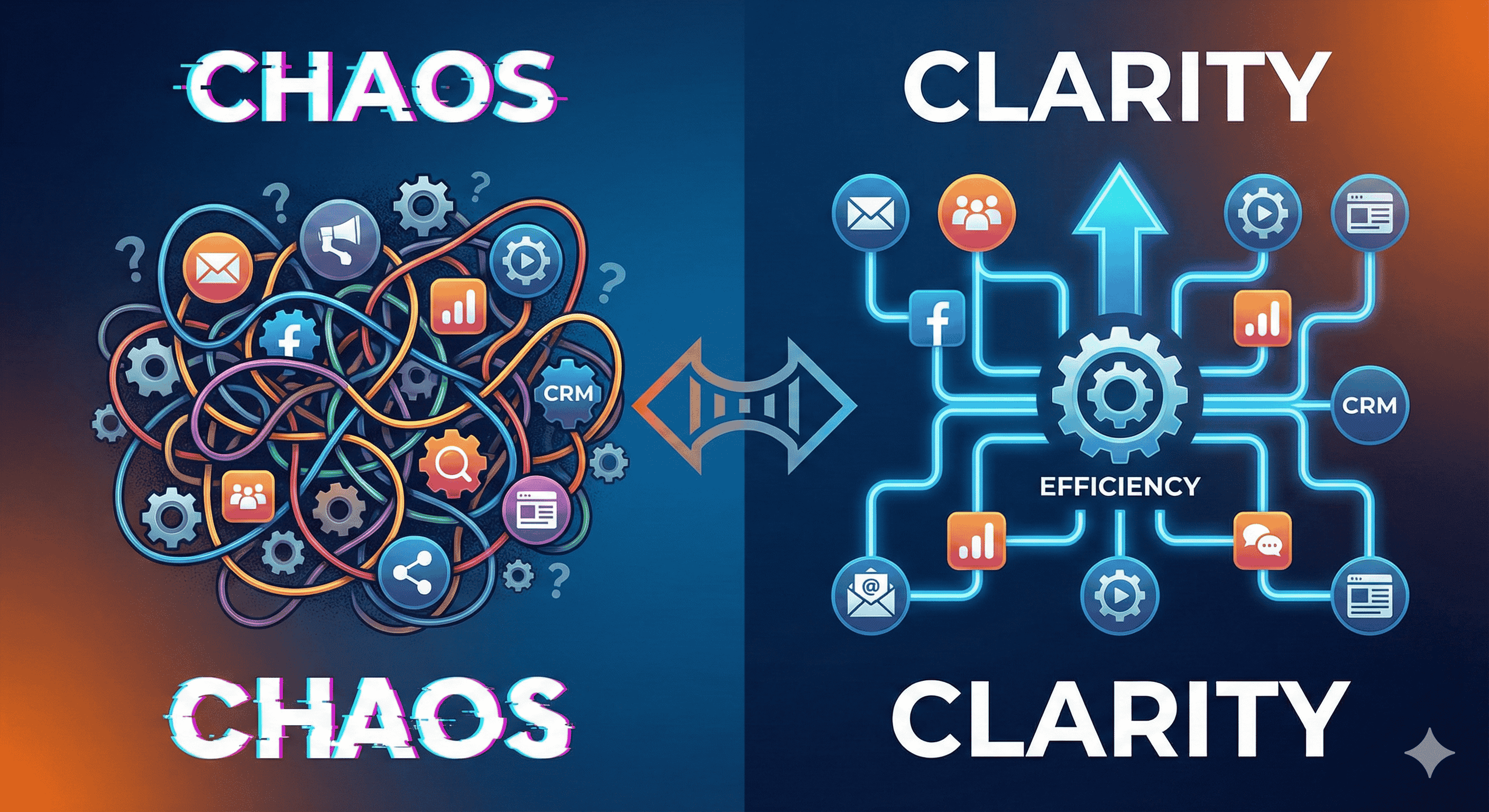
- Integration of Systems: Many businesses struggle with integrating multiple martech tools, leading to fragmented data and inefficient processes. A cohesive strategy that connects various platforms is essential for maximizing insights.
Conclusion
In a highly competitive marketplace, the ability to unlock detailed customer insights through martech is indispensable. By leveraging data analytics, AI, and automation, businesses can create personalized experiences that not only meet but anticipate customer needs. As technology evolves, the future of personalization will hinge on the ability to harness these insights, fostering deeper connections with customers and driving lasting loyalty. By embracing these advances, companies can ensure they not only survive but thrive in the modern landscape of consumer expectations.