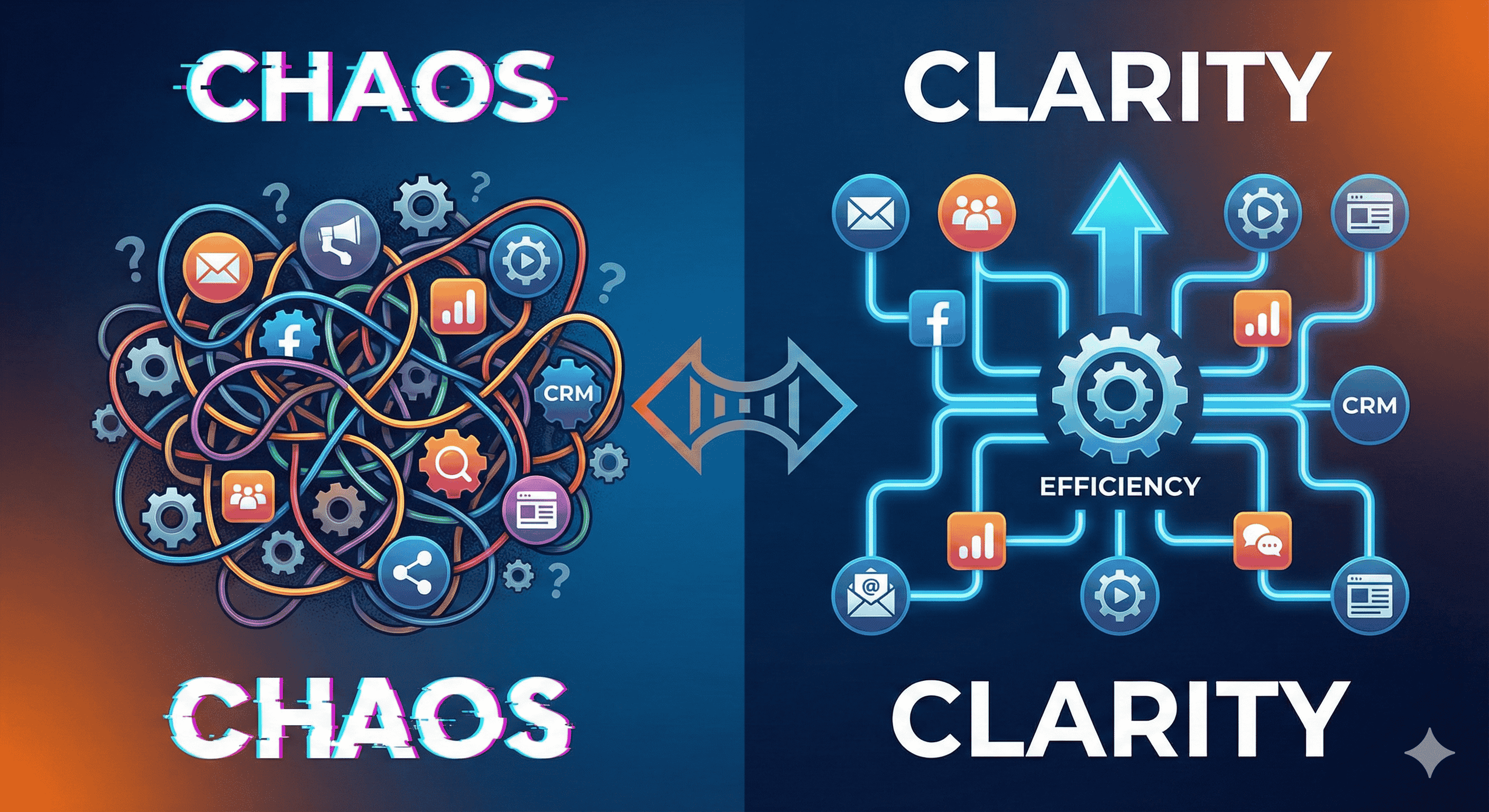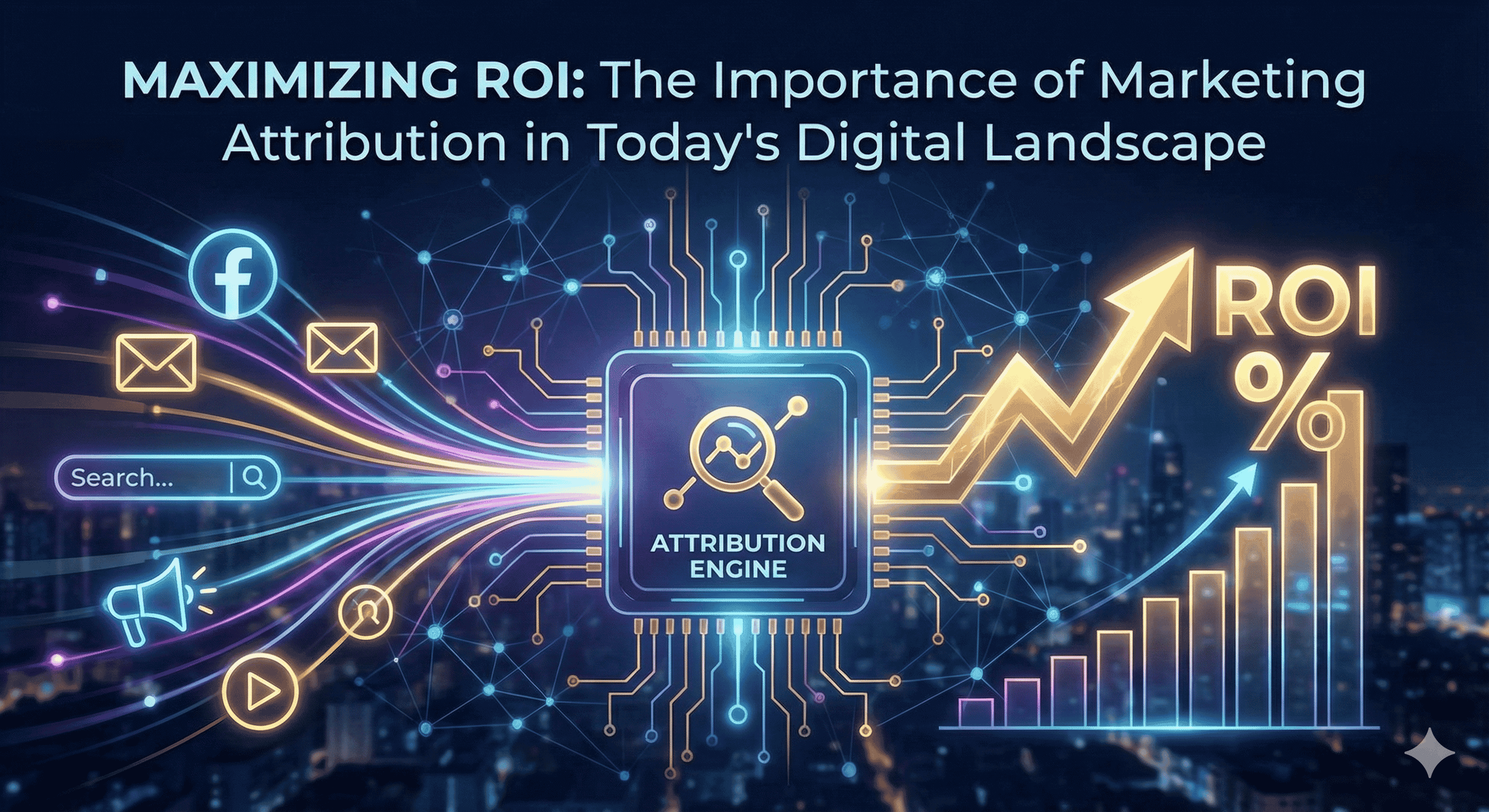

In an increasingly competitive marketplace, personalization has emerged as a key differentiator for brands seeking to create meaningful connections with their customers. As we look ahead to 2025, the intersection of marketing technology (Martech) and personalization is poised to fundamentally reshape customer experiences, driving engagement, loyalty, and ultimately, revenue.
Understanding Personalization in the Digital Age
Personalization refers to tailoring products, services, and communications to individual customers based on their preferences, behaviors, and demographics. In today’s digital landscape, consumers expect brands to not only understand their needs but also to anticipate them. According to a study by Segment, 71% of consumers feel frustrated when their shopping experience is impersonal, indicating a strong demand for customization.
The Role of Martech in Personalization
Marketing technology plays a crucial role in enabling personalized customer experiences. With an array of tools and platforms available, brands can effectively gather and analyze data to understand customer behavior and preferences. Here are some key components of Martech that are revolutionizing personalization:
1. Data Analytics and AI
Artificial Intelligence (AI) and data analytics are the cornerstones of effective personalization. By harnessing vast amounts of customer data, brands can identify trends, segment audiences, and deliver insights that drive personalized marketing strategies. Predictive analytics, for instance, allows marketers to forecast customer behavior and preferences, enabling targeted outreach.
2. Customer Relationship Management (CRM) Systems
Modern CRM systems not only store customer information but also streamline communications and interactions. These platforms facilitate a 360-degree view of each customer, helping brands deliver tailored content and recommendations across various touchpoints. In 2025, enhanced CRM capabilities will likely include advanced integrations with AI, providing even deeper insights into customer needs.
3. Content Management Systems (CMS)
An effective CMS allows brands to create and deliver personalized content seamlessly. With features that support dynamic content delivery based on user preferences and behaviors, brands can ensure that customers receive relevant information at every stage of their journey. By 2025, we can expect CMS platforms to further evolve, incorporating real-time data to adjust content dynamically.
4. Omni-channel Marketing
As customers engage with brands across multiple platforms, omni-channel marketing becomes essential to deliver a consistent and personalized experience. Martech solutions will enable brands to sync messaging and interactions, ensuring that customers receive a cohesive experience whether they’re shopping online, interacting on social media, or visiting a physical store.
The Future of Personalization: Predictions for 2025
As personalization continues to evolve, several significant trends are likely to emerge by 2025:
1. Hyper-Personalization
Moving beyond traditional personalization, hyper-personalization will leverage real-time data to create highly tailored experiences. Brands will utilize machine learning algorithms to analyze customer behavior and engagement patterns, providing each individual with unique recommendations, offers, and experiences.
2. Voice and Visual Recognition
With advancements in voice and visual recognition technologies, customers will increasingly expect personalized interactions through these mediums. Brands will utilize voice-activated devices and augmented reality to create immersive shopping experiences, adjusting recommendations based on how customers interact with products.
3. Ethical Personalization
As data privacy concerns grow, brands will face the challenge of balancing personalization with ethical considerations. By 2025, customers will demand transparency in how their data is used. Brands that align with ethical practices and respect privacy will gain a competitive edge in building trust and loyalty.
4. Integration of IoT Devices
The Internet of Things (IoT) will play a critical role in gathering customer insights. As IoT devices become more prevalent, brands will leverage data from these devices to further personalize customer experiences. For instance, smart home devices can provide brands with data on usage patterns, allowing for customized suggestions based on individual habits.
Conclusion
The rise of personalization, fueled by innovative Martech solutions, will undoubtedly transform customer experiences by 2025. As brands strive to meet the growing expectations of consumers for tailored interactions, the effective use of technology will become paramount. By embracing data-driven strategies, ethical practices, and cutting-edge technologies, brands can create lasting connections with their customers, driving engagement and loyalty in a rapidly changing landscape. As we move forward, the personalization journey promises to be not only exciting but also crucial for brands aiming to foster deeper relationships in an ever-evolving marketplace.