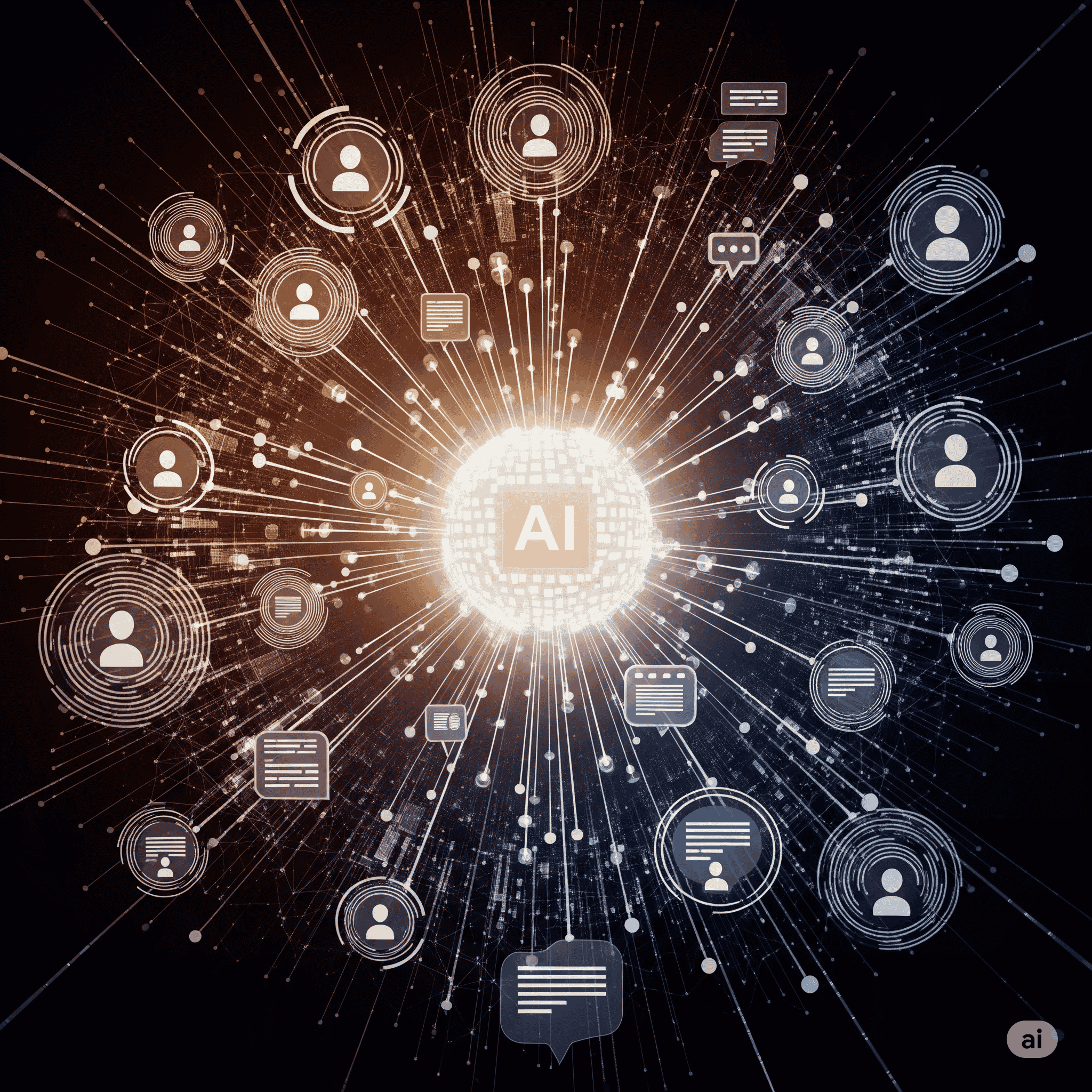
In the ever-evolving landscape of marketing, customer engagement has transitioned from a one-size-fits-all approach to a sophisticated, personalized strategy driven by data. The advent of Artificial Intelligence (AI) has revolutionized how brands interact with consumers, making personalized marketing not just a possibility but a necessity. Here, we explore how AI reshapes customer engagement, its benefits, challenges, and the future landscape of marketing.
The Shift to Personalized Marketing
The modern consumer is inundated with information and choices, making personalized marketing crucial. Historically, businesses relied on demographic data to segment their audiences, but this approach often lacked depth. AI enables a shift from demographic-based targeting to behavioral and psychographic insights, creating a more nuanced understanding of customer preferences.
Understanding Customer Behavior
AI algorithms analyze vast amounts of data—from social media interactions to purchase history. This analysis reveals patterns and insights into customer behavior, preferences, and motivations. For example, machine learning models can predict which products a customer is likely to purchase based on their browsing behavior, leading to timely and relevant recommendations.
Predictive Analytics
AI harnesses predictive analytics to anticipate customer needs, enhancing engagement. For instance, if a customer frequently buys athletic gear, AI can suggest complementary products, such as accessories or training programs. This proactive approach not only improves the customer experience but also increases conversion rates.
Enhancing Customer Interactions
Chatbots and Virtual Assistants
AI-driven chatbots and virtual assistants are becoming staples in customer support, providing instant responses and personalized interactions. These tools offer a 24/7 presence, resolving queries efficiently and collecting valuable data on customer preferences. Advanced chatbots can even learn from interactions, improving over time to better meet consumer needs.
Customized Content Delivery
Personalization extends beyond products to content. AI algorithms can analyze user behavior to identify the type of content that resonates with individual customers. This allows brands to deliver personalized emails, social media ads, and website experiences, resulting in improved engagement and brand loyalty.
Benefits of AI in Customer Engagement
- Increased Efficiency: AI automates repetitive tasks, freeing up marketers to focus on strategy and creativity.
- Enhanced Customer Experience: Personalized interactions lead to higher satisfaction, fostering long-term loyalty.
- Better Decision-Making: Insights derived from AI analytics allow businesses to make informed marketing decisions and optimize campaigns.
- Cost-Effectiveness: Targeted marketing reduces waste, maximizing return on investment.
Challenges in Implementation
Despite its advantages, the integration of AI in personalized marketing comes with challenges:
- Data Privacy Concerns: As businesses collect more data, ensuring compliance with regulations like GDPR becomes paramount. Brands must be transparent about data collection practices to maintain consumer trust.
- Technological Investment: Implementing AI systems can require significant financial investment and expertise, which may be a hurdle for smaller businesses.
- Avoiding Over-Personalization: Striking the right balance between personalization and intrusion is critical. Customers may feel uncomfortable if they perceive that brands are overly familiar with their behaviors.
The Future Landscape of Customer Engagement
As AI technology continues to evolve, the potential for innovative customer engagement strategies expands:
- Hyper-Personalization: The future will see even more tailored experiences, where AI can create unique customer profiles that adjust in real-time based on user interactions.
- Omnichannel Integration: AI will enable seamless interactions across various platforms—social media, email, websites—providing a unified customer experience.
- Voice Recognition Technology: With the rise of smart speakers and voice-activated devices, brands will need to optimize their marketing strategies for voice search, further personalizing the consumer journey.
- AI Ethics and Responsibility: As AI becomes more integral to marketing, the conversation surrounding ethical AI use will intensify, prompting businesses to adopt responsible practices that prioritize user experience and privacy.
Conclusion
The future of customer engagement lies in harnessing AI to create personalized marketing strategies that resonate with consumers on a deeper level. While challenges exist, the potential benefits are immense. Companies that embrace AI technologies will not only enhance customer experiences but also position themselves as leaders in the competitive marketing landscape. The journey toward highly personalized customer engagement has just begun, and those who innovate will thrive in this dynamic environment.