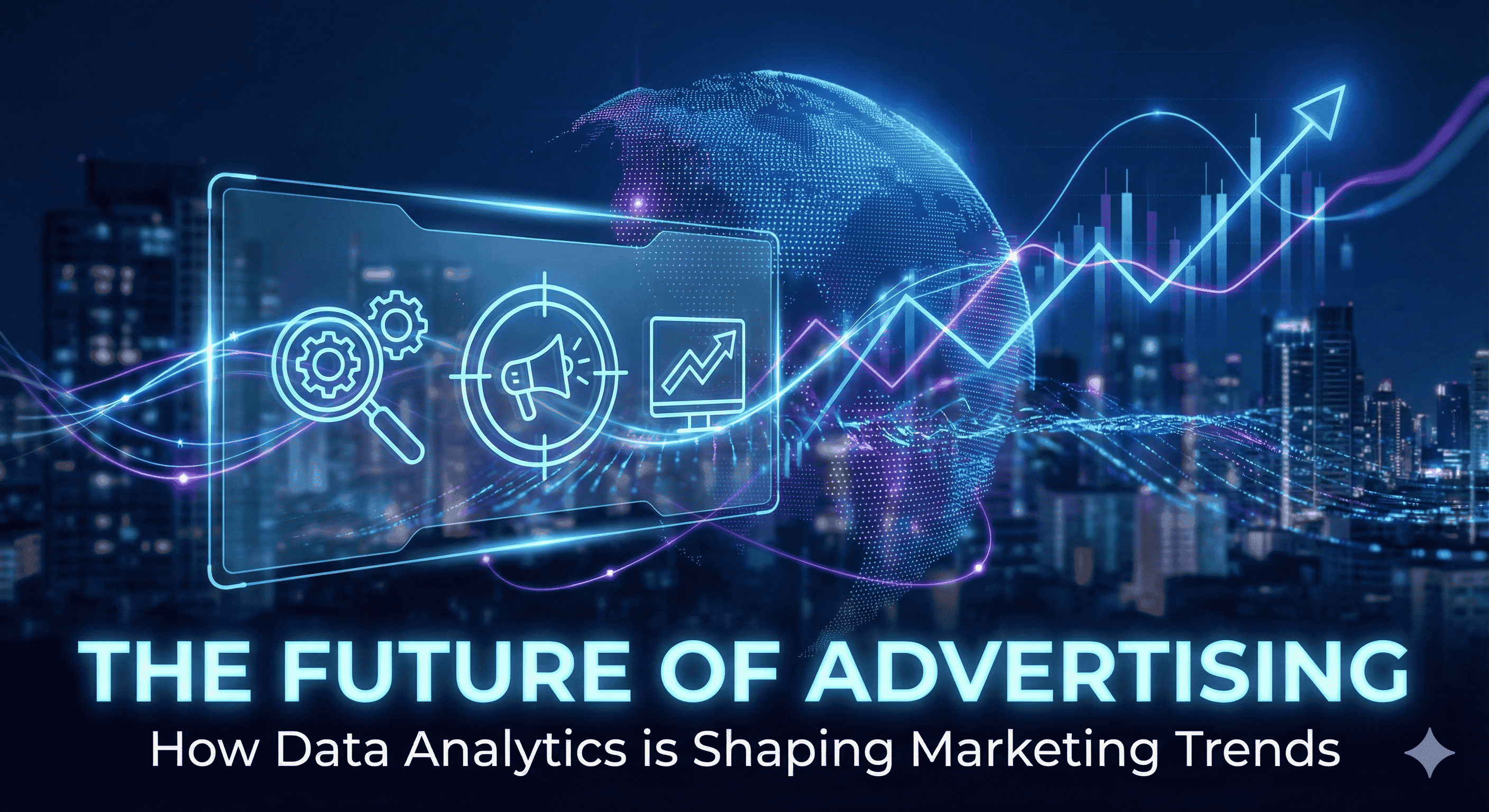
In a rapidly evolving digital landscape, the future of advertising is increasingly intertwined with data analytics. As businesses strive to connect with consumers in more personal and engaging ways, data-driven strategies are transforming marketing approaches, optimizing spending, and enhancing customer experiences. This article explores how data analytics is reshaping advertising trends, the benefits it offers, and the challenges it presents.
The Rise of Data-Driven Marketing
Historically, advertising decisions relied heavily on intuition and broad demographics. However, the advent of big data has revolutionized the marketing landscape. By leveraging vast amounts of data from various sources, including social media, search engines, and customer interactions, marketers can gain valuable insights into consumer behaviors, preferences, and trends.
Enhanced Consumer Insights
Data analytics enables brands to understand their audience at a much deeper level. Through techniques such as customer segmentation, predictive analytics, and behavioral analysis, companies can tailor their marketing messages to meet specific consumer needs. For example, a retail company may analyze purchase history and online behavior to create personalized product recommendations, increasing the likelihood of conversion.
Optimizing Advertising Spend
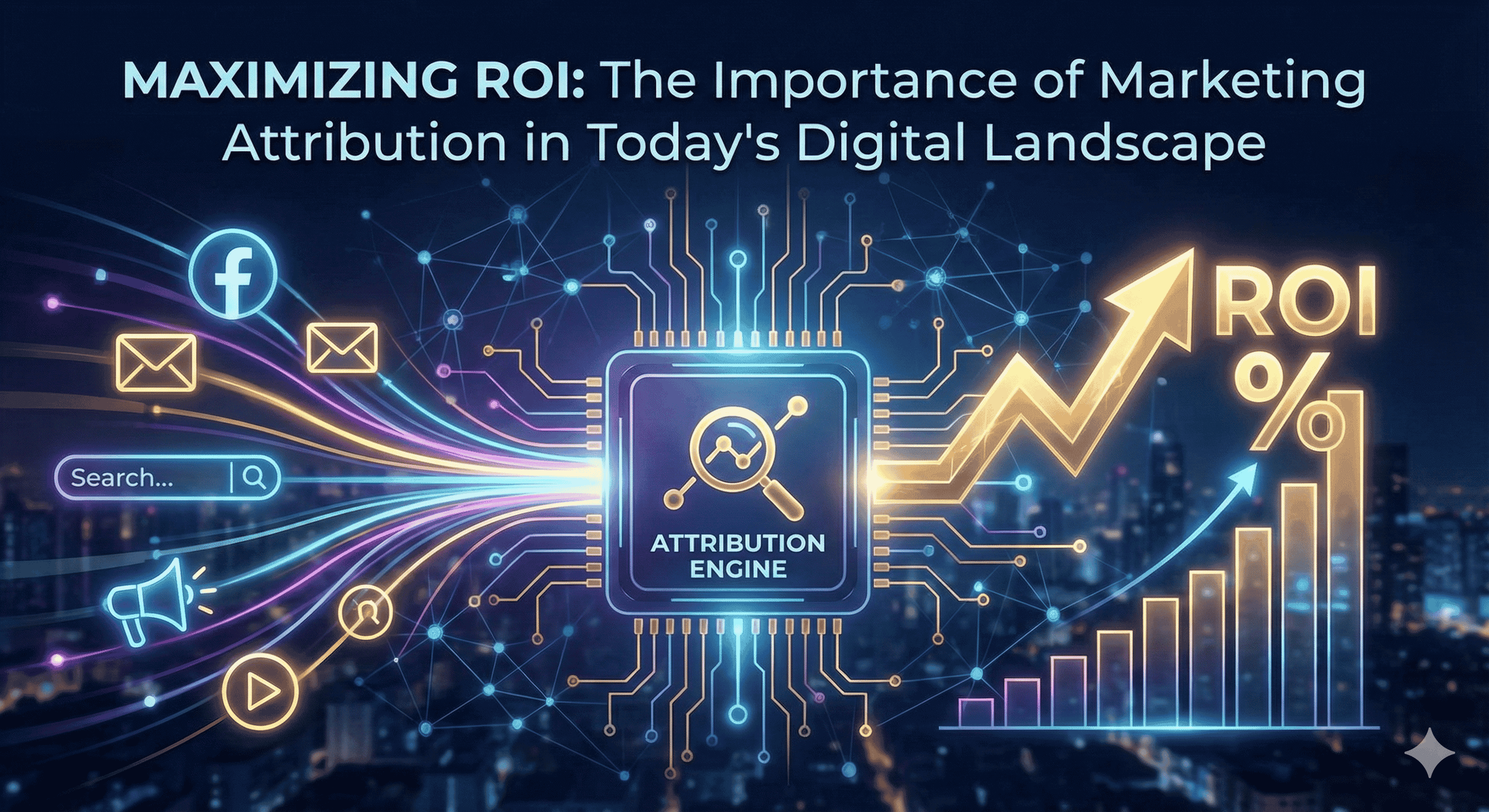
Data analytics not only helps in understanding the audience but also optimizes marketing spend. By employing programmatic advertising powered by artificial intelligence (AI), brands can automatically purchase ads in real-time, ensuring they reach the right people at the right time. This targeted approach minimizes wasted ad spend and maximizes return on investment (ROI).
Real-Time Performance Tracking
With advanced analytics tools, marketers can track campaign performance in real time. This immediate feedback allows them to make data-informed decisions on the fly, tweaking campaigns to boost effectiveness. For instance, if an ad isn’t performing well, marketers can pivot strategies or adjust targeting parameters to improve results.
Emerging Trends Shaped by Data Analytics
Personalization
As consumers become increasingly accustomed to personalized experiences, brands are investing more in data analytics to cater to individual preferences. Personalized emails, targeted social media ads, and customized web content are just a few examples of how data is being used to enhance customer engagement.
Predictive Analytics
Harnessing the power of predictive analytics, brands can forecast future consumer behaviors based on past data. This foresight enables marketers to proactively engage customers, preparing tailored promotions and content, thereby fostering brand loyalty.
Integrated Customer Journeys
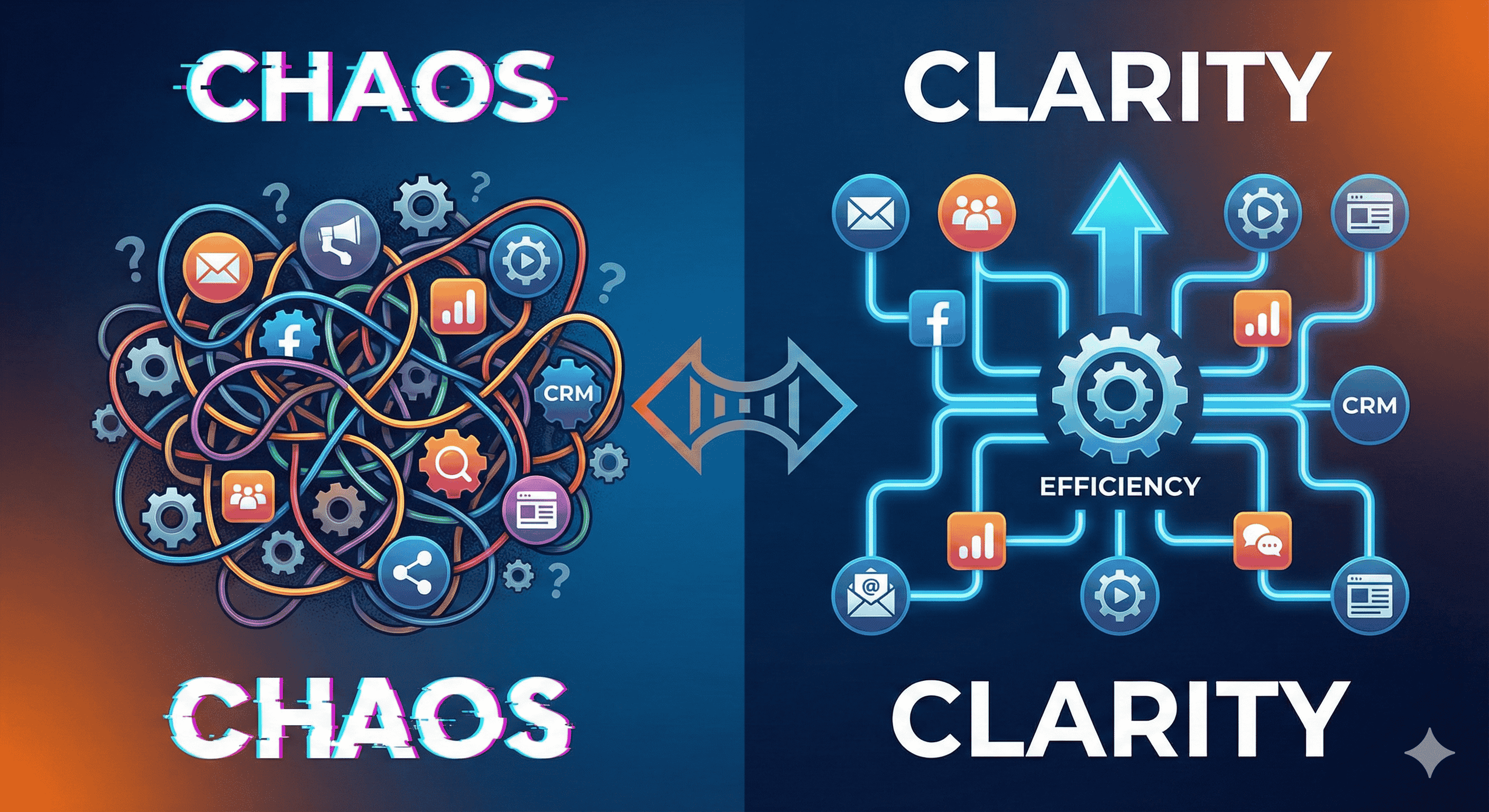
Data analytics fosters a more comprehensive view of the customer journey. By unifying data across channels, brands can create a seamless and consistent experience for customers, leading to higher satisfaction rates. Understanding how customers interact with different touchpoints informs better strategy and execution, crossing traditional marketing silos.
Influencer Marketing Insights
As influencer marketing continues to grow, brands are using data analytics to identify the right influencers who resonate with their target audiences. Analyzing engagement rates, audience demographics, and content relevance allows brands to collaborate with those who can best amplify their messages.
Challenges in Data-Driven Advertising
While the potential of data analytics in advertising is immense, several challenges remain. Privacy concerns have escalated, particularly with regulations like the General Data Protection Regulation (GDPR) affecting how companies collect and use consumer data. Marketers must navigate these regulations carefully to maintain consumer trust.
Additionally, the sheer volume and complexity of data can be overwhelming. Companies need the right tools and talent to analyze data effectively and extract actionable insights. Investing in data literacy and the technology infrastructure to support analytics is crucial for companies looking to thrive in this data-driven era.
Conclusion
The future of advertising is undeniably linked to data analytics. As brands harness the power of data to create personalized, relevant, and engaging consumer experiences, they enhance their marketing strategies and drive business growth. While challenges exist, the advantages of adopting data-driven marketing practices far outweigh the drawbacks.
By investing in data analytics and adopting innovative strategies, companies can not only stay competitive but also set themselves apart in an ever-crowded marketplace. As we look to the future, it’s clear that the integration of data analytics will continue to shape advertising trends, leading to more effective marketing and enriched consumer relationships.