
In today’s digital landscape, marketing technology (Martech) has become a cornerstone for businesses striving to engage customers effectively and efficiently. Building the right Martech stack can greatly enhance your marketing efforts, streamline operations, and ultimately drive revenue. Here’s your essential guide to crafting an ideal Martech stack.
Understanding the Martech Stack
What is a Martech Stack?
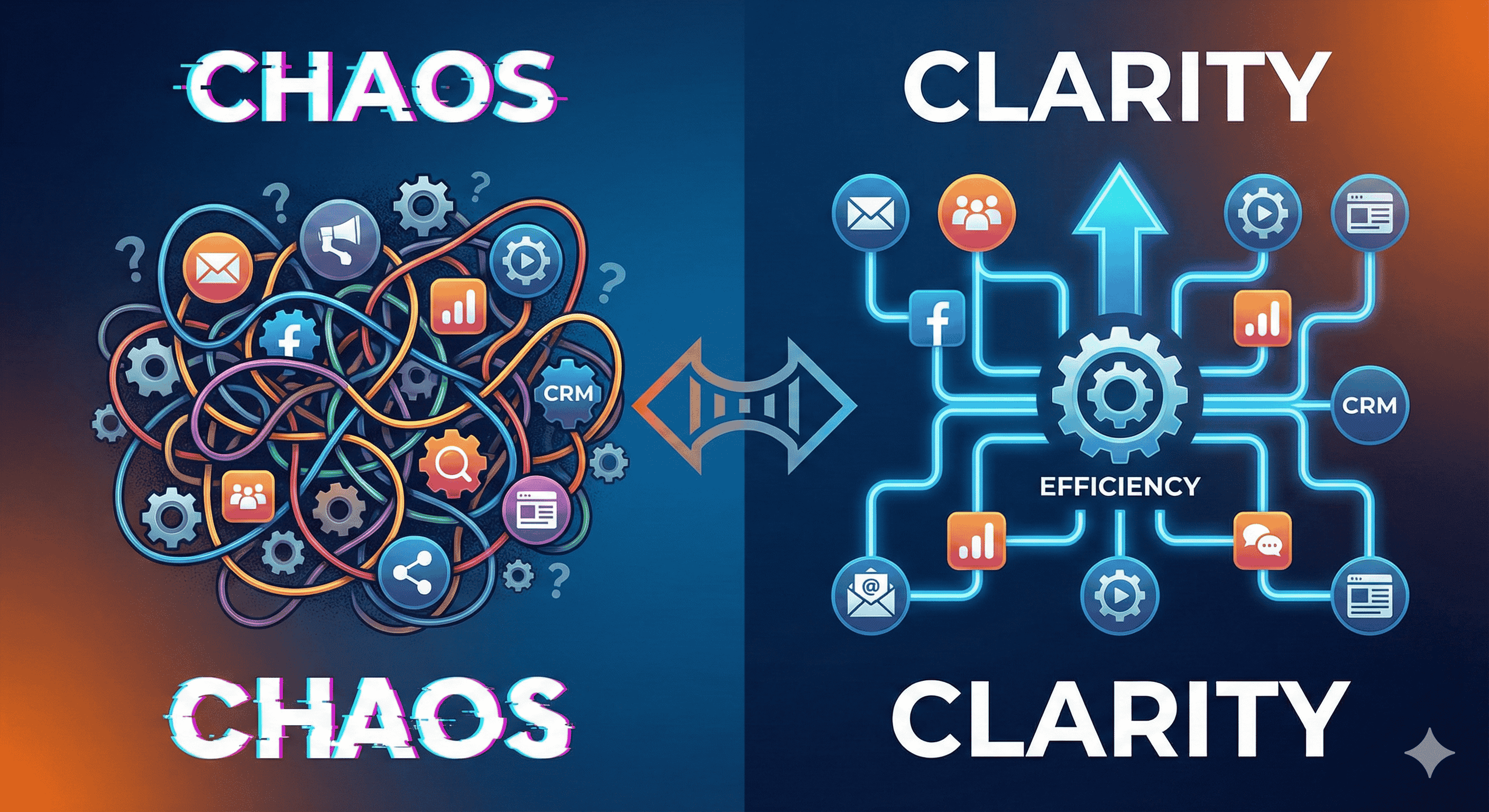
A Martech stack refers to the collection of technology tools and platforms marketers use to plan, execute, and analyze marketing activities. This can include tools for content management, social media, email marketing, analytics, advertising, and customer relationship management (CRM).
Why is a Well-Defined Martech Stack Important?
- Streamlined Operations: Integrating various tools assists in creating a smooth workflow.
- Informed Decision-Making: With accurate data at your fingertips, decision-making becomes easier and more effective.
- Enhanced Customer Experience: A cohesive stack allows for personalized and timely customer interactions.
Steps to Build Your Ideal Martech Stack
1. Define Your Marketing Goals
Before choosing tools, determine what you aim to achieve. Are you looking to increase brand awareness, generate leads, or drive sales? Your goals will shape the type of technologies you need in your stack.
2. Assess Your Current Tools
Take inventory of your existing tools and their effectiveness. Identify gaps in capabilities, redundancies, or underutilized resources. This will help streamline your stack and eliminate unnecessary expenditures.
3. Prioritize Integration
Compatibility among tools is crucial for a successful Martech stack. Look for platforms that easily integrate with one another to facilitate data sharing and streamline workflows. Popular standards include APIs, webhooks, and integration platforms like Zapier.
4. Choose Key Categories
A comprehensive Martech stack usually includes tools from the following categories:
- Customer Relationship Management (CRM): Tools like Salesforce or HubSpot help manage customer interactions and data.
- Content Management Systems (CMS): WordPress or Drupal can facilitate content creation and management.
- Email Marketing: Platforms such as Mailchimp and SendGrid can automate email campaigns and track performance.
- Data Analytics: Google Analytics or Tableau provide insights into user behavior and marketing effectiveness.
- Social Media Management: Tools like Hootsuite or Buffer can help manage social media channels and measure engagement.
- Advertising Technology: Platforms like Google Ads and Facebook Ads Manager can optimize ad spend and reach targeted audiences.
5. Consider Marketing Automation
Integrating marketing automation tools can enhance efficiency. Platforms such as Marketo or Pardot facilitate automated email campaigns, lead nurturing, and customer segmentation. This allows your team to focus on strategy and creativity rather than repetitive tasks.
6. Budget Wisely
Determine your budget for technology investments. Keep in mind that more expensive doesn’t always mean better; choose tools that provide the best return on investment (ROI) for your specific needs.
7. Measure and Optimize
Once your Martech stack is implemented, continuously analyze its performance. Use data-driven insights to identify what works and what doesn’t, and make necessary adjustments. Look for metrics such as customer acquisition cost, churn rates, and engagement levels.
8. Stay Updated
The Martech landscape is ever-evolving, with new tools and technologies emerging frequently. Stay informed about the latest trends and innovations by following industry blogs, attending conferences, and participating in relevant webinars.
Conclusion
Building an ideal Martech stack is not a one-time effort; it requires ongoing evaluation and adaptation to keep pace with changing market conditions and consumer behaviors. By understanding your objectives, selecting the right tools, ensuring integration, and continually optimizing your approach, you can create a powerful Martech stack that drives results and supports your organization’s growth.
With this guide in hand, you’re well-equipped to start crafting a Martech stack that aligns with your business goals and enhances your marketing efforts. Happy stacking!