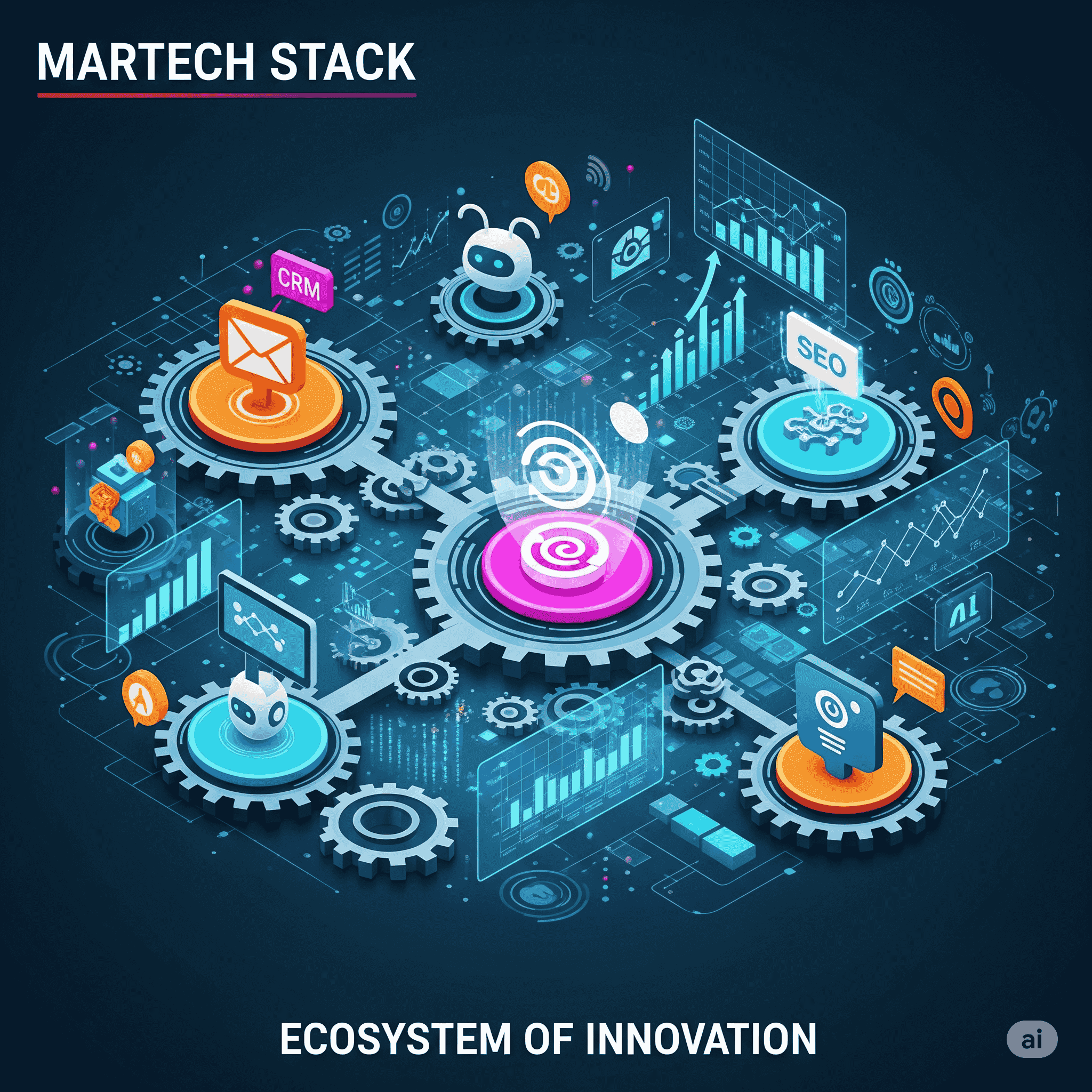
In the rapidly evolving world of digital marketing, the concept of a “martech stack” has emerged as a crucial element for businesses aiming to drive growth and streamline operations. A martech stack refers to the collection of technology tools and platforms businesses utilize to manage and analyze their marketing efforts. Understanding the ecosystem of innovation that surrounds martech stacks is essential for companies looking to leverage technology for competitive advantage.
The Components of a Martech Stack
A comprehensive martech stack typically includes a variety of components, each serving a specific function in the marketing ecosystem. These can range from data management platforms (DMPs) and customer relationship management (CRM) systems to email marketing solutions, social media management tools, and analytics software.
Key Components:
- Customer Relationship Management (CRM):
CRMs like Salesforce or HubSpot facilitate customer data management, helping businesses personalize interactions and nurture leads more effectively. - Content Management Systems (CMS):
Platforms like WordPress or Drupal enable marketers to create and manage digital content, ensuring consistent messaging across various channels. - Analytics and Data Tools:
Tools such as Google Analytics or Adobe Analytics provide insights into customer behavior, allowing marketers to make data-driven decisions. - Email Marketing Solutions:
Platforms like Mailchimp or Constant Contact allow businesses to automate communication, segment audiences, and track engagement. - Social Media Management Tools:
Hootsuite or Buffer help marketers schedule posts, engage with audiences, and analyze social media performance.
How Martech Stacks Drive Growth
1. Enhanced Customer Insights
One of the major advantages of a well-integrated martech stack is the ability to gain deeper insights into customer behavior. By consolidating data from various sources, businesses can create a 360-degree view of their customers, enabling personalized marketing strategies that resonate more effectively.
2. Improved Workflow Efficiency
Martech stacks automate repetitive tasks, enhancing productivity and allowing marketing teams to focus on strategic efforts. Automation tools streamline campaigns, coordinate social media posts, and track performance metrics, saving time and resources.
3. Accelerated Decision-Making
With advanced analytics tools, marketers can make informed decisions more rapidly. Real-time data enables businesses to identify trends, monitor campaign performance, and pivot strategies as needed, fostering a more agile marketing approach.
4. Scalability and Flexibility
A robust martech stack provides the flexibility to scale marketing efforts as businesses grow. Companies can integrate new tools and technologies that align with evolving goals without overhauling their entire ecosystem, ensuring sustainable growth.
5. ROI Measurement
Martech stacks enhance the ability to measure return on investment (ROI) for marketing initiatives. By tracking essential metrics across different platforms, businesses can gauge campaign effectiveness, optimize budgets, and allocate resources more efficiently.
Challenges in Managing Martech Stacks
While martech stacks offer numerous benefits, managing them can be complex. Some of the challenges include:
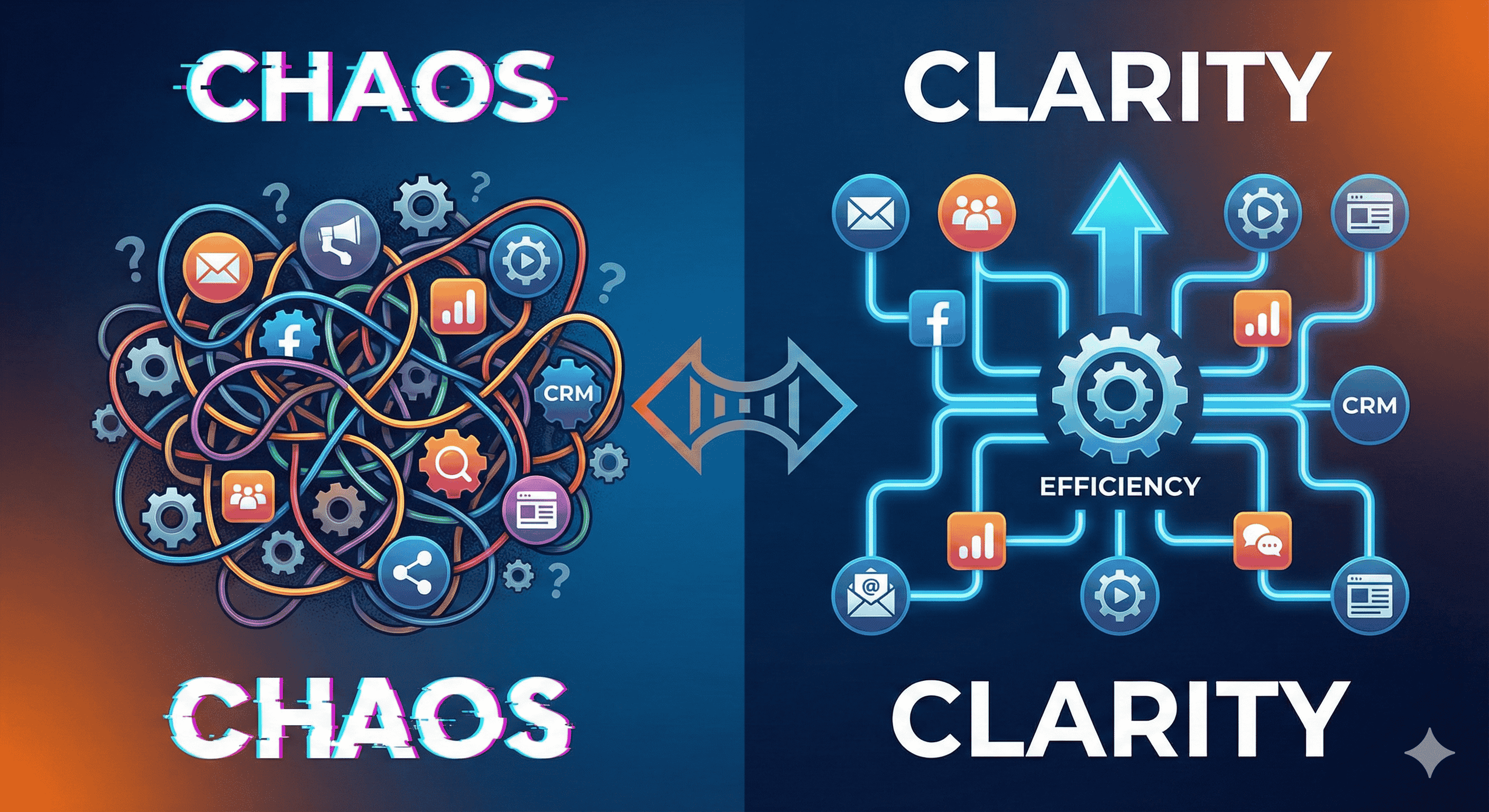
- Integration Issues: Ensuring seamless integration between different tools can be complicated, resulting in data silos that hinder comprehensive analysis.
- Skill Gaps: Rapid advancements in technology require continuous learning. Teams need to be equipped with the skills to leverage new tools effectively.
- Cost Management: As businesses incorporate more technologies, managing costs can become challenging. Organizations must evaluate the ROI of each tool to avoid overspending.
The Future of Martech Innovation
As digital transformation accelerates, the martech landscape will continue to evolve. Key trends shaping the future include:
- Artificial Intelligence (AI): AI will enhance capabilities within martech stacks, driving predictive analytics, personalization, and automation even further.
- Integration of Cross-Channel Marketing: Future martech stacks will likely focus on integrating online and offline marketing efforts for a more cohesive customer experience.
- Focus on Customer Experience (CX): As consumer expectations rise, businesses will need to prioritize creating exceptional customer experiences, leveraging technology to meet diverse needs.
Conclusion
The ecosystem of innovation surrounding martech stacks is integral to driving growth in today’s digital landscape. By understanding the components of these technology ecosystems and their impact on marketing strategies, businesses can harness their potential for enhanced customer engagement, operational efficiency, and measurable results. As technology continues to evolve, those who adapt will thrive in the dynamic world of marketing.