
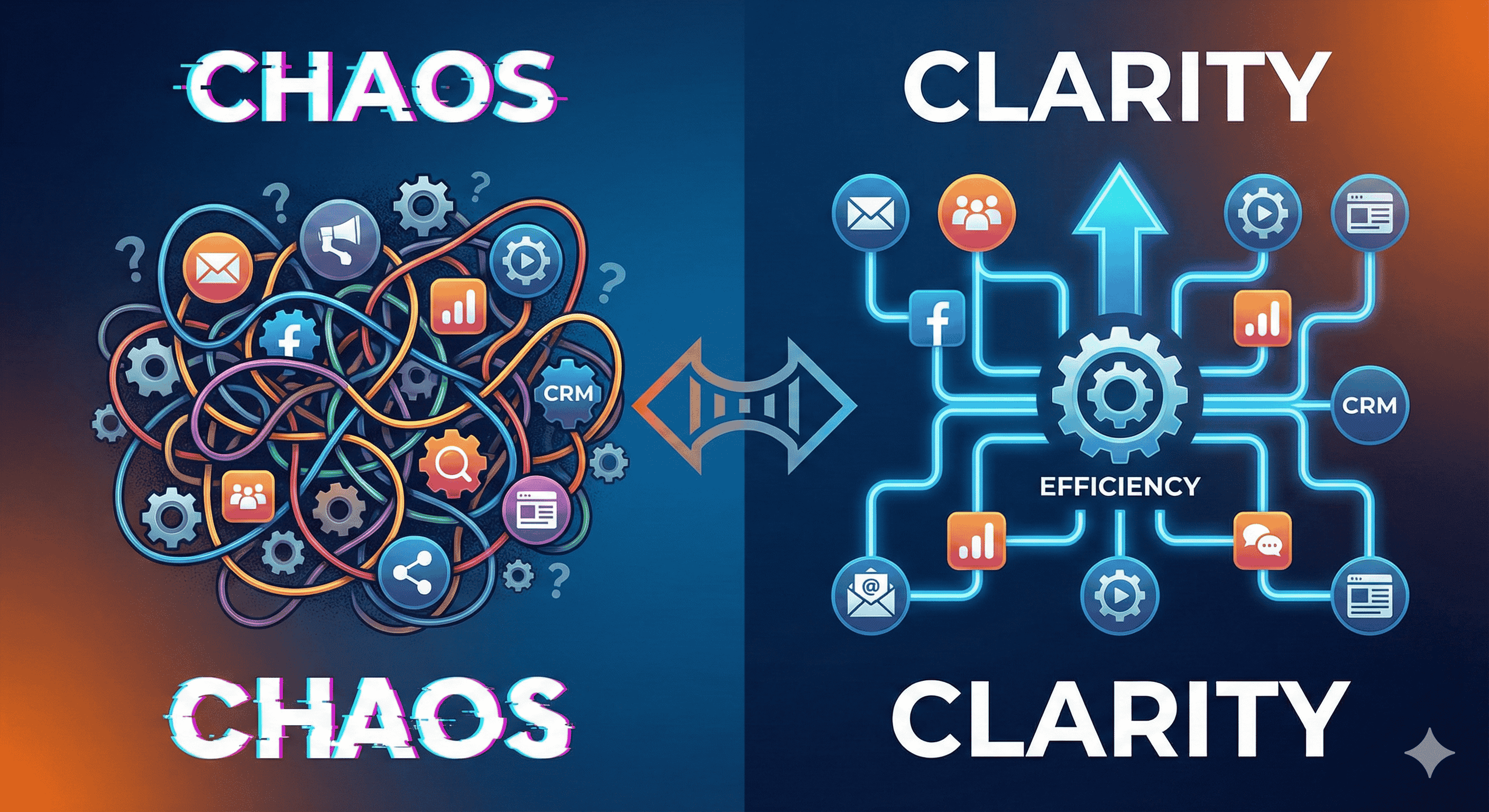
In today’s digital landscape, marketing technology (martech) plays a pivotal role in how businesses engage with customers, analyze data, and streamline operations. However, as companies adopt an array of tools and platforms, chaos can often ensue—leading to inefficiencies, poor data management, and ultimately, a disjointed customer experience. Structuring your martech stack effectively is essential for navigating this complexity and enhancing marketing efficiency.
Understanding the Martech Stack
A martech stack refers to the collection of tools and technologies marketers use to execute, analyze, and optimize their marketing campaigns. This can include anything from customer relationship management (CRM) systems and content management systems (CMS) to email marketing platforms, social media management tools, and analytics software.
The Benefits of a Well-Structured Martech Stack
Improved Efficiency: By ensuring that tools work seamlessly together, marketers can automate repetitive tasks, reducing manual intervention and freeing up time for strategic initiatives.
Enhanced Data Management: With a clear structure, data flows more smoothly across platforms, enabling better insights and decision-making.
Unified Customer Experience: A cohesive martech stack allows for a more personalized and consistent interaction with customers across different touchpoints.
- Scalability: As your business grows, a well-organized stack can adapt to new demands without requiring a complete overhaul.
Assessing Your Current Situation
Before restructuring your martech stack, it’s crucial to assess your current situation. Key steps include:
1. Inventory Your Tools
List all the tools currently in use, categorizing them by function (e.g., email marketing, analytics, CRM). This inventory will serve as a foundation for determining what you need and what can be consolidated or eliminated.
2. Evaluate Tool Usage
Analyze how frequently each tool is used and the value it provides. Look for overlaps and redundancies where multiple tools serve the same function, which could indicate opportunities for consolidation.
3. Gather Stakeholder Feedback
Consult with team members to understand their experiences and challenges with the current tools. Their insights can reveal pain points and highlight critical needs.
Designing an Optimized Martech Stack
Once you have a comprehensive understanding of your existing setup, it’s time to design a more effective martech stack. Here are key considerations:
1. Define Your Objectives
Identify the primary goals for your marketing efforts, such as lead generation, customer retention, or brand awareness. This clarity will guide your tool selection and prioritization.
2. Choose the Right Tools
Select tools based on their ability to meet your objectives, integrate with existing platforms, and scale with your business. Consider tools that specialize in specific functions but also offer robust integration capabilities to ensure seamless data sharing.
3. Focus on Integration
Prioritize tools that can integrate smoothly with each other. Use application programming interfaces (APIs) or middleware solutions to connect disparate systems, ensuring data flows freely across platforms. This connection will minimize manual data entry and potential errors.
4. Centralize Data Management
Implement a centralized data management system to aggregate and analyze data from various sources. This approach not only enhances reporting capabilities but also ensures your marketing team can access accurate, up-to-date information quickly.
5. Foster Collaboration
Encourage collaboration between marketing, sales, and IT teams. A unified approach ensures that everyone understands the martech landscape and can work together to maintain and optimize it.
Continuous Assessment and Adaptation
Structuring your martech stack is not a one-time event. Continuous evaluation is essential. Regularly assess performance metrics and tool effectiveness, seeking out emerging technologies that can enhance your stack. Stay agile to adapt to changing market needs and consumer behaviors.
Conclusion
Transforming your martech stack from chaos to clarity requires thoughtful assessment, strategic planning, and ongoing evaluation. By prioritizing efficiency, integration, and collaboration, you can create a robust framework that not only supports your marketing objectives but also enhances the overall customer experience. Embrace the journey to clarity, and your business will reap the rewards of a well-structured martech strategy.