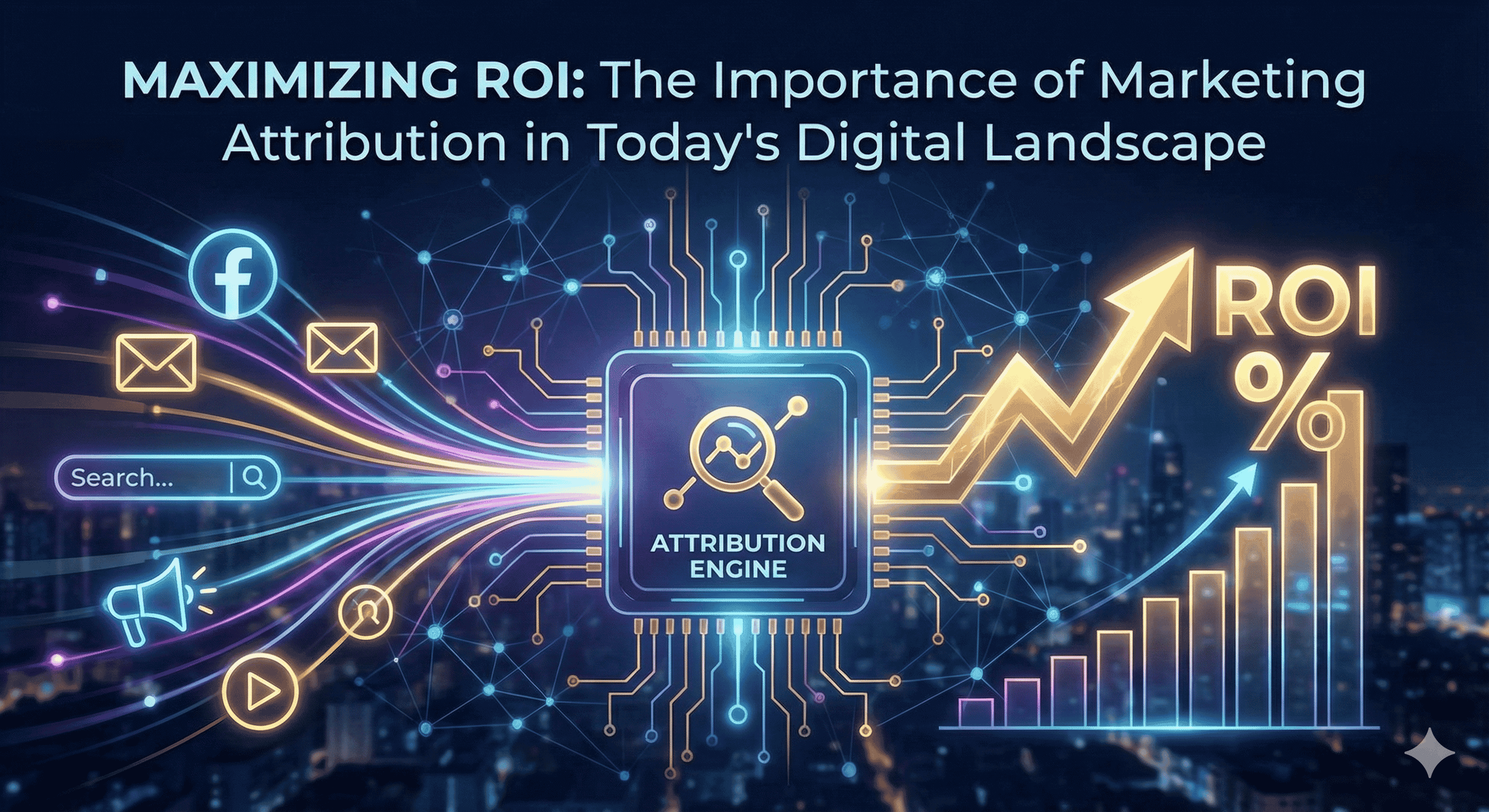
In an age where digital marketing is at the forefront of business strategy, companies are constantly seeking ways to maximize their return on investment (ROI). One of the most effective tools in achieving this is marketing attribution—the process of identifying which marketing efforts contribute to conversions or customer engagements. As consumers interact with brands across multiple platforms and channels, understanding these contributions is vital for optimizing resource allocation and crafting more impactful marketing strategies.
Understanding Marketing Attribution
Marketing attribution allows businesses to assess the effectiveness of various channels in their marketing mix. By assigning credit to different touchpoints—such as email campaigns, social media ads, or influencer collaborations—marketers can identify which strategies drive conversions. The main models of attribution include:
Single-Touch Attribution:
- First-Touch Attribution: Gives credit to the first interaction a customer has with a brand.
- Last-Touch Attribution: Assigns all credit to the last touchpoint before conversion.
Multi-Touch Attribution: Distributes credit across multiple touchpoints, offering a more holistic view of the customer journey.
- Data-Driven Attribution: Utilizes algorithms and historical data to dynamically assign credit based on performance.
Understanding these models helps marketers determine which strategies are worth the investment and which need reevaluation.
The Role of Attribution in Maximizing ROI
1. Improved Budget Allocation
With clear insights into which channels yield the best results, businesses can allocate their budgets more effectively. Instead of spreading resources thinly across all marketing efforts, companies can invest in the strategies that drive the highest conversions, thus maximizing ROI.
2. Enhanced Customer Insights
Attribution provides valuable insights into customer behavior and preferences. By understanding how consumers interact with various touchpoints, marketers can tailor their messaging and offers to better meet customer needs, leading to higher engagement rates and conversions.
3. Campaign Optimization
With accurate tracking and measurement, marketing teams can analyze the effectiveness of their campaigns in real-time. This allows for quick adjustments to be made—whether that involves tweaking messaging, reallocating budgets, or refining target audiences—to improve overall performance and return.
4. Justifying Marketing Spend
In an environment where every dollar spent must justify its value, marketing attribution provides concrete data to support strategic decisions. Executives can see the direct impact of marketing efforts on revenue, making it easier to secure funding for future campaigns.
5. Cross-Channel Synergy
As customers often interact with brands across multiple platforms, attribution shines light on how those interactions work together. This synergy allows for a more integrated approach to marketing, creating omnichannel experiences that foster brand loyalty and repeat business.
Challenges in Marketing Attribution
While the benefits of marketing attribution are clear, several challenges remain. Potential pitfalls include:
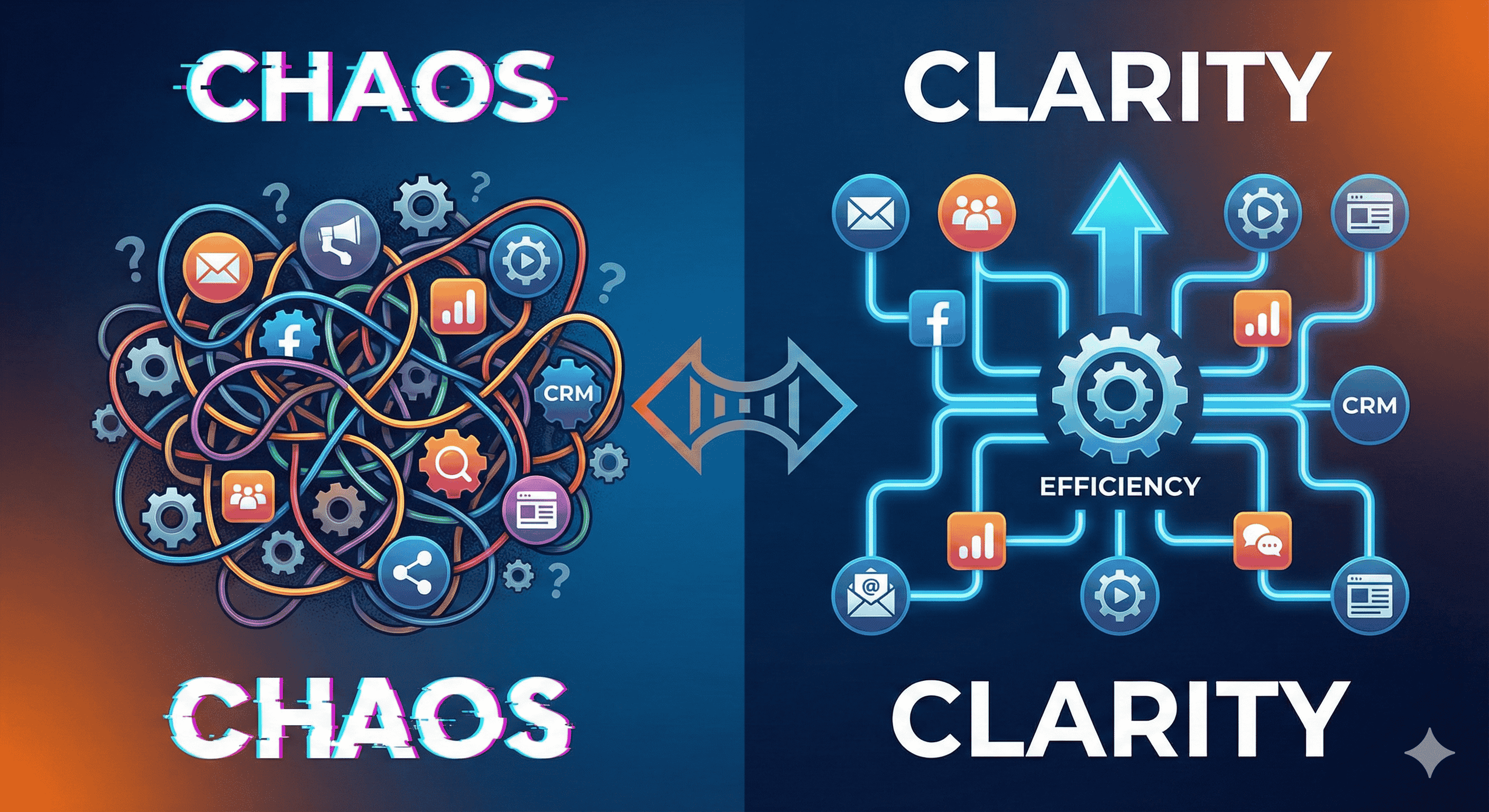
- Data Silos: In many organizations, marketing channels operate in isolation, making it difficult to gather and analyze cohesive data.
- Complex Customer Journeys: The modern customer journey is multifaceted and often nonlinear, complicating the attribution process.
- Technological Barriers: Setting up attribution models requires advanced analytics capabilities and technology that not all businesses possess.
Conclusion
In today’s competitive digital landscape, marketing attribution is no longer optional; it’s a necessity. By providing clarity on how different marketing efforts contribute to conversions, businesses can maximize their ROI and enhance overall performance. As brands strive to navigate the complexities of consumer behavior, leveraging effective attribution models will be key to unlocking sustained success in their marketing endeavors. Investing in the right tools and strategies will empower companies to drive growth, achieve their objectives, and adapt to an ever-evolving market.