
In today’s fast-paced digital landscape, marketing technology (or martech) plays a crucial role in driving business growth and enhancing customer experiences. However, the implementation of martech solutions often comes with its own set of challenges, particularly in the realm of integration. This article explores the common integration issues marketers face and provides actionable strategies to bridge these gaps.
Understanding the Importance of Integration
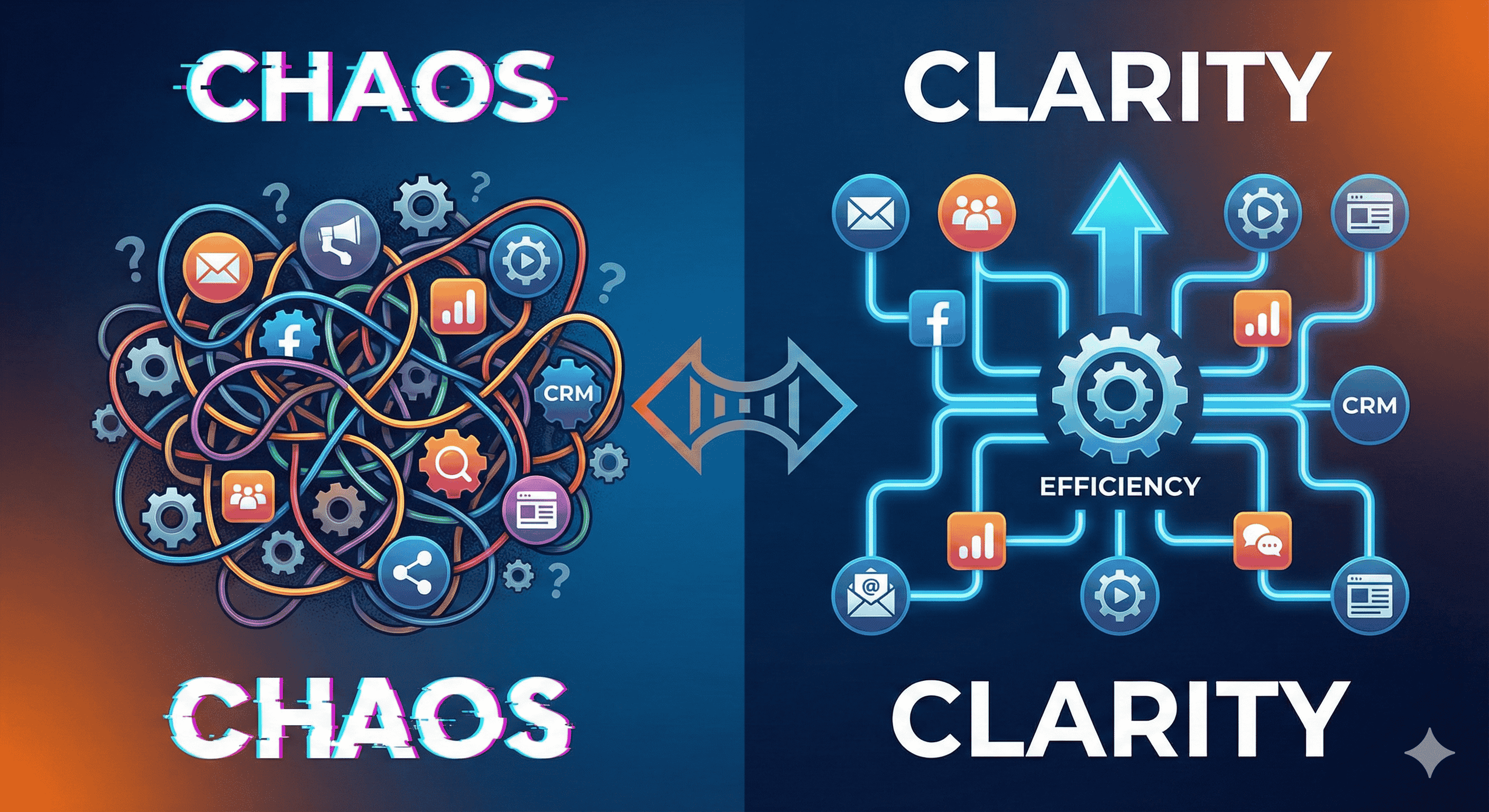
Martech tools can include everything from customer relationship management (CRM) systems and email marketing platforms to data analytics tools and social media management software. When these solutions work together seamlessly, they provide valuable insights and improve operational efficiency. Conversely, a lack of integration can lead to data silos, inconsistent customer experiences, and wasted resources.
Common Integration Issues
- Data Silos: One of the primary challenges is the creation of data silos, where information is trapped within specific tools rather than shared across platforms. This leads to incomplete data analysis and hampers decision-making.
- Compatibility Problems: Not all martech solutions are built to communicate with one another. Issues can arise from differing data formats, APIs, or outdated software that fails to support modern integration needs.
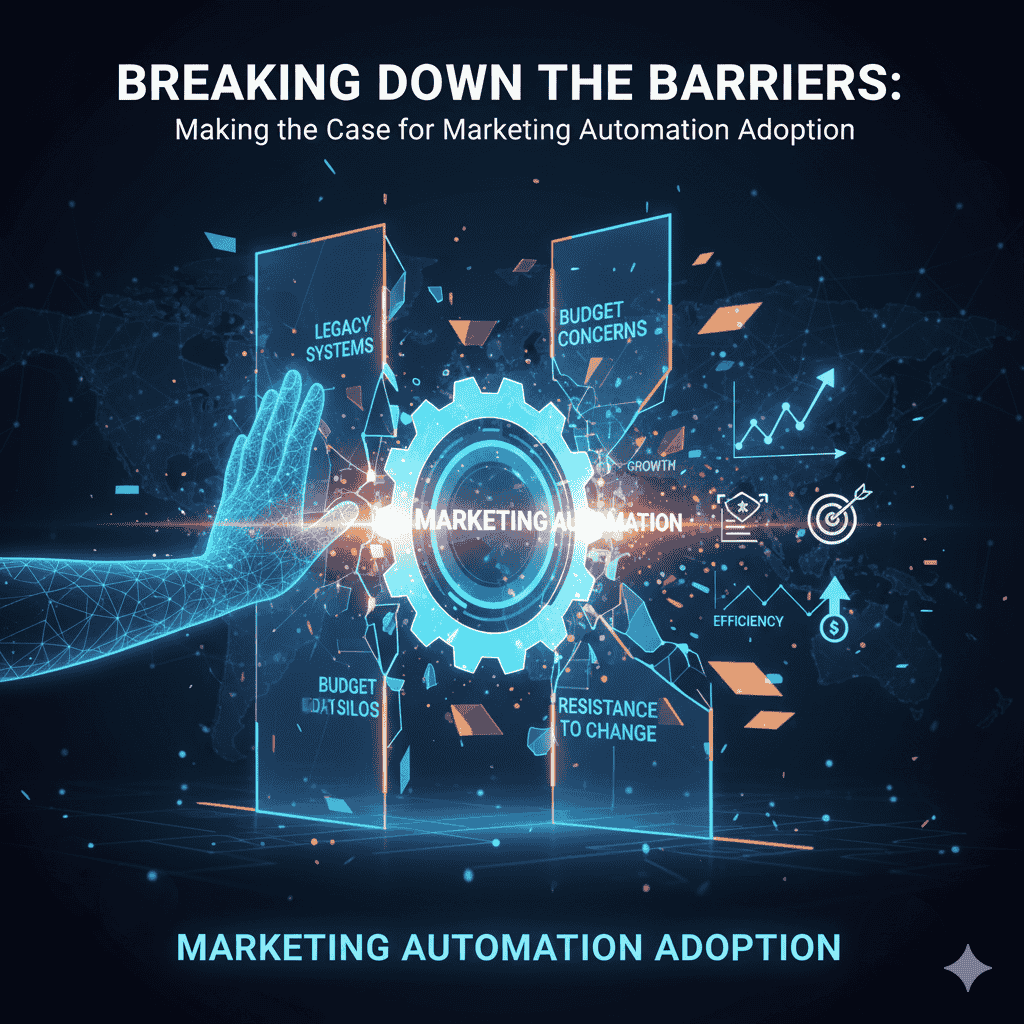
- User Resistance: Teams may be hesitant to adopt new technology, especially if they are accustomed to existing systems. This resistance can slow down integration efforts and lead to suboptimal usage of new tools.
- Complexity of Change Management: Implementing a new martech solution often requires significant changes in workflow and processes, which can be complex and create friction within organizations.
Strategies for Successful Integration
1. Develop a Comprehensive Integration Strategy
A well-defined integration strategy should align with your organization’s broader marketing goals. This includes:
- Identifying Core Objectives: Determine what you want to achieve with integration—better data analysis, improved customer targeting, stronger marketing automation, etc.
- Mapping Existing Systems: Create a map of your current technology stack to understand how tools currently communicate and where gaps exist.
2. Choose the Right Tools and Partners
Selecting martech tools that are designed for integration is critical. Look for software that offers:
- Open APIs: Tools with open APIs can be more easily connected with other systems, making integration smoother.
- Compatibility with Existing Systems: Ensure that any new tools you consider can work alongside or integrate with your current technology.
3. Focus on Data Management
Ensure that your data is clean, consistent, and easily accessible. Develop standard operating procedures for data entry and management to minimize errors and ensure uniformity across platforms.
4. Invest in Change Management
To combat user resistance, invest in change management strategies:
- Training: Provide comprehensive training sessions focused on how new tools can enhance day-to-day operations.
- Communication: Keep lines of communication open between stakeholders to address concerns and highlight benefits.
5. Leverage Integration Platforms
Consider using integration platforms as a service (iPaaS) that simplify connections between different tools. These platforms can streamline data flows and enhance interoperability, taking the burden off your internal IT resources.
6. Continuous Monitoring and Optimization
Integration is not a one-time effort; it requires ongoing monitoring and optimization:
- Regular Audits: Conduct regular audits of your martech tools to ensure effective integration continues.
- Feedback Loops: Create feedback loops with users to gain insights on pain points and areas for improvement.
Conclusion
Bridging the integration gap in martech implementation is essential for maximizing the potential of your marketing technology tools. By developing a comprehensive strategy, focusing on data management, and investing in change management, organizations can create a more cohesive and efficient marketing ecosystem. In a landscape where agility and adaptability are paramount, tackling integration issues head-on will lead to improved performance and ultimately contribute to long-term business success.