
In today’s digital age, the success of marketing efforts increasingly hinges on the ability to make informed, data-driven decisions. The proliferation of data, combined with advanced analytics capabilities, has transformed how businesses approach marketing strategies. Marketing Cloud platforms play a pivotal role in this transformation, enabling organizations to harness the power of analytics to optimize their campaigns, enhance customer experiences, and ultimately drive revenue growth.
Understanding Marketing Cloud Platforms
At their core, Marketing Cloud platforms are comprehensive digital marketing solutions that integrate various tools and technologies to facilitate the execution, management, and optimization of marketing campaigns. Key features include email marketing, social media management, customer relationship management (CRM), and data analytics. These platforms enable marketers to gather, analyze, and derive insights from data, allowing for a more targeted approach to customer engagement.
The Role of Analytics
Analytics serves as the backbone of any successful marketing strategy within a Marketing Cloud platform. Here’s how data-driven decisions powered by analytics can reshape marketing efforts:
- Segmentation and Targeting
Traditional marketing often employs broad segments that may fail to resonate with specific audiences. Analytics allows marketers to segment their audience more effectively by analyzing demographics, behaviors, and preferences. For example, businesses can create customer profiles based on historical purchase data, leading to personalized campaigns that significantly improve engagement rates. - Performance MeasurementMarketing campaigns generate a plethora of data points, from engagement rates to conversion metrics. With robust analytics capabilities, marketers can measure the effectiveness of their campaigns in real-time. This insight enables rapid adjustments to tactics, optimizing strategies for better performance. For instance, if a specific email campaign shows low open rates, marketers can tweak the subject line or the content based on insights garnered from analytics.
- Predictive Analytics
One of the most powerful aspects of data-driven marketing is predictive analytics. By analyzing past behaviors and trends, marketers can forecast future actions of customers. This foresight helps in strategizing future campaigns, ensuring that businesses can proactively engage customers with the right offers at the right time. - Customer Journey Mapping
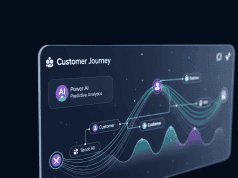
Understanding the customer journey is crucial in today’s multi-channel landscape. Analytics tools within Marketing Cloud platforms allow businesses to track customer interactions across various touchpoints. This comprehensive view facilitates the identification of friction points and opportunities for enhancement, leading to a smoother, more engaging customer experience. - A/B Testing
Marketing Cloud platforms often provide built-in A/B testing capabilities, allowing marketers to experiment with different content variations. By analyzing the performance of these variations, organizations can determine what resonates best with their audience. This iterative approach ensures that marketing initiatives are continually refined and optimized for higher success rates.
Real-World Application
Consider a fictional online retailer, “EcoGoods,” that primarily sells sustainable products. By using a Marketing Cloud platform equipped with advanced analytics, EcoGoods can track customer behaviors across its website and social media platforms.
By analyzing the data, EcoGoods discovers that customers who engage with sustainability-related content are more likely to convert. Armed with this information, the company reallocates its resources to create targeted campaigns featuring eco-friendly products, leading to a significant uptick in sales.
Overcoming Challenges
Despite the numerous benefits of data-driven decision-making, challenges remain. Data privacy concerns, the complexity of data integration, and a lack of skilled personnel can hinder effective analytics implementation. To overcome these obstacles, businesses must invest in training, establish clear data governance policies, and prioritize transparency with customers regarding how their data is used.
Conclusion
The ability to make data-driven decisions is more critical than ever in the competitive landscape of digital marketing. Marketing Cloud platforms, with their advanced analytics capabilities, empower organizations to leverage data to craft targeted approaches, enhance customer engagement, and optimize marketing performance. As businesses continue to navigate the intricacies of the digital marketplace, embracing the power of analytics will be essential for sustained growth and success. The future lies in understanding data not just as a resource, but as a catalyst for innovation and transformation in marketing strategies.