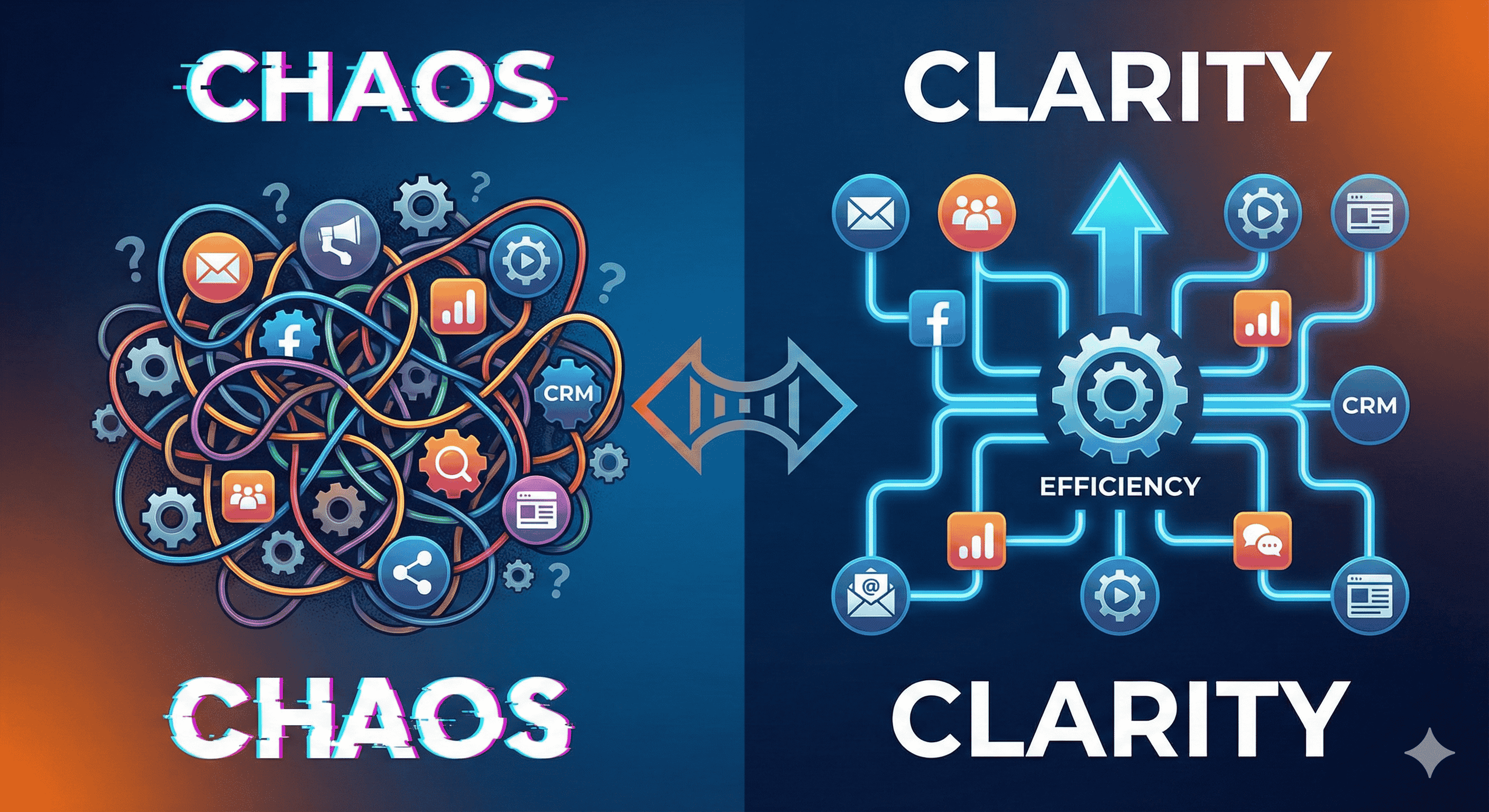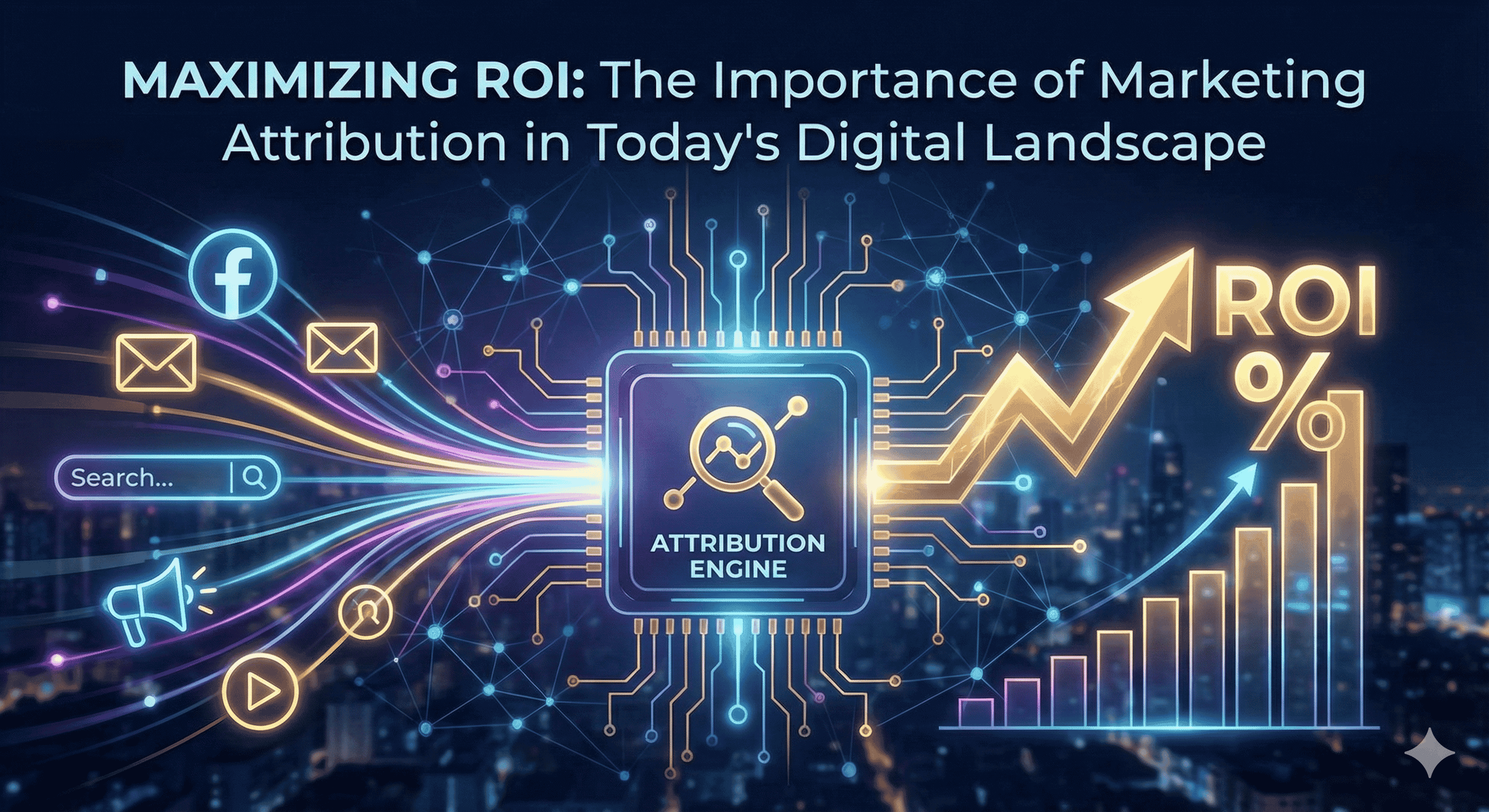

In today’s fast-paced digital landscape, integrating marketing technology (MarTech) is essential for businesses looking to optimize their marketing efforts, enhance customer engagement, and drive ROI. However, the complexity of the modern tech stack can pose significant challenges. Effective integration requires strategic planning, collaboration, and an understanding of both technology and marketing objectives. Here are key strategies for seamless implementation.
1. Define Clear Objectives
Before diving into the integration process, it’s crucial to establish clear objectives. Identify what you hope to achieve with your MarTech stack. Are you focusing on improving customer engagement, increasing sales, or enhancing data analytics capabilities? Clearly defining your goals will guide decision-making and help evaluate the effectiveness of your integration efforts.
2. Assess Current Infrastructure
Understanding your existing systems is vital. Conduct a comprehensive audit of your current MarTech tools, including customer relationship management (CRM) systems, email marketing platforms, social media management, and analytics tools. Evaluate how these systems interact and identify gaps or redundancies. This assessment will inform which technologies need integration or replacement for streamlined operations.
3. Choose the Right Tools
Selecting the right tools is critical. Consider platforms that offer robust integration capabilities, allowing for seamless data transfer and communication across your tech stack. Look for tools with APIs (Application Programming Interfaces) that facilitate integration, as well as those that can adapt to your evolving needs. Popular options include HubSpot, Salesforce, and Marketo, among others.
4. Foster Cross-Departmental Collaboration
Successful MarTech integration requires cooperation between marketing, IT, and other departments. Ensure that stakeholders from various teams are involved in the planning and implementation process. Regular communication and collaborative decision-making will help address concerns early on, align objectives, and ensure technical feasibility.
5. Prioritize Data Management
A unified view of customer data is the backbone of effective marketing technology integration. Implement a robust data management strategy that ensures data accuracy, accessibility, and security. Leverage data management platforms (DMPs) and customer data platforms (CDPs) to centralize and synchronize data across all tools, enabling more personalized and targeted marketing efforts.
6. Create an Integration Plan
Develop a detailed integration plan outlining the timeline, milestones, and responsibilities. This plan should include specific stages: initial setup, testing, user training, and ongoing support. An agile approach may be beneficial, allowing for iterative improvements and adjustments based on feedback and performance metrics.
7. Invest in Training and Support
Technology is only as effective as the people using it. Invest in training sessions and resources for your team to ensure they are equipped to utilize the integrated systems fully. Providing ongoing support and access to resources, such as user manuals and troubleshooting guides, will help employees feel confident and capable.
8. Monitor and Optimize Performance
Integration is not a one-time task; it requires continuous monitoring and optimization. Track key performance indicators (KPIs) to evaluate the effectiveness of your integrated MarTech stack. Utilize analytics tools to assess user engagement, conversion rates, and overall campaign performance. Use these insights to make informed adjustments and enhance the system’s effectiveness over time.
9. Maintain Flexibility for Future Growth
As technology evolves, so should your MarTech stack. Stay informed about emerging tools and trends in the marketing technology landscape. Maintain flexibility in your strategy to adapt to new features, changing business needs, and evolving consumer behavior. This proactive approach will ensure that your MarTech integration remains effective and relevant.
Conclusion
Integrating marketing technology can transform how businesses engage with customers and measure success. By defining clear objectives, conducting thorough assessments, fostering collaboration, and investing in continuous improvement, organizations can achieve a seamless integration that maximizes the potential of their MarTech stack. With the right strategies in place, businesses can navigate the complexities of technology integration and propel their marketing efforts to new heights.