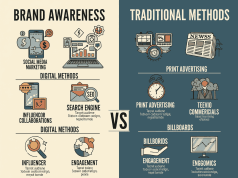

In today’s digital landscape, social media plays a pivotal role in shaping brand awareness. With billions of users across platforms like Facebook, Instagram, Twitter, and TikTok, businesses can harness these channels to connect with their audience, tell their story, and build lasting relationships. In this article, we’ll explore how social media influences brand awareness through real-world examples that can inspire your marketing strategies.
The Power of Engagement
Case Study: Wendy’s Twitter Strategy
Wendy’s has effectively turned its Twitter page into a platform for witty engagement. By employing a playful tone and timely responses, they have created a unique brand voice. Their infamous “roast” tweets not only entertain followers but also generate significant buzz. This approach has made Wendy’s a trending topic multiple times and has effectively positioned them in the fast-food landscape, differentiating them from competitors.
Takeaway: Engaging your audience with a distinctive voice can foster community and strengthen brand identity.
User-Generated Content (UGC)
Case Study: Coca-Cola’s "Share a Coke" Campaign
Coca-Cola’s "Share a Coke" campaign brilliantly leveraged user-generated content to enhance brand awareness. By personalizing bottles with common names, they encouraged customers to share photos of their bottles on social media. This resulted in millions of social media posts from consumers who felt a personal connection to the brand, significantly increasing its visibility.
Takeaway: Encourage user-generated content by creating campaigns that invite your audience to participate, fostering brand loyalty.
Influencer Partnerships
Case Study: Glossier and Beauty Influencers
Glossier, a beauty brand, epitomizes the effective use of influencers in shaping brand awareness. By collaborating with influencers and everyday consumers alike, Glossier not only promotes its products but also builds authenticity. Their strategy revolves around a community-driven approach, where users feel a personal connection to both the brand and its ambassadors.
Takeaway: Collaborate with influencers to amplify your message and reach new audiences while maintaining an authentic connection with your existing customer base.
Viral Campaigns
Case Study: ALS Ice Bucket Challenge
The ALS Ice Bucket Challenge emerged as a viral sensation on social media, raising awareness for a rare neurodegenerative disease. The campaign encouraged participants to dump a bucket of ice water on themselves and challenge their friends to do the same, all while donating to ALS research. This campaign not only increased awareness but also resulted in significant fundraising success.
Takeaway: Craft campaigns that are participatory and shareable; the more people get involved, the more visibility your brand will gain.
Creative Storytelling
Case Study: Nike’s "Dream Crazy" Campaign
Nike’s "Dream Crazy" campaign is a compelling example of how storytelling can drive brand awareness. Featuring athletes like Colin Kaepernick, the campaign evokes strong emotions and aligns the brand with social justice issues. This connection has resonated deeply with audiences, enhancing brand loyalty and recognition, especially among younger consumers.
Takeaway: Use powerful storytelling in your marketing. Connect your brand with values that resonate with your audience.
Sustainability Efforts
Case Study: Patagonia’s Environmental Advocacy
Patagonia is renowned for its commitment to sustainability and environmental advocacy, and it leverages social media to communicate these values. By actively promoting its eco-friendly practices and engaging in environmental activism, Patagonia has cultivated a loyal following that sees the brand as a leader in sustainability.
Takeaway: Align your brand with meaningful causes and communicate these values through social media to attract like-minded consumers.
Conclusion
Social media is a powerful tool in shaping brand awareness. By engaging your audience, encouraging user-generated content, collaborating with influencers, crafting viral campaigns, using storytelling, and advocating for sustainability, brands can significantly enhance their visibility. The real-world examples provided illustrate that thoughtful social media strategies can lead to stronger connections with consumers and lasting brand loyalty. In an ever-evolving digital era, embracing these strategies can inspire your brand to thrive.