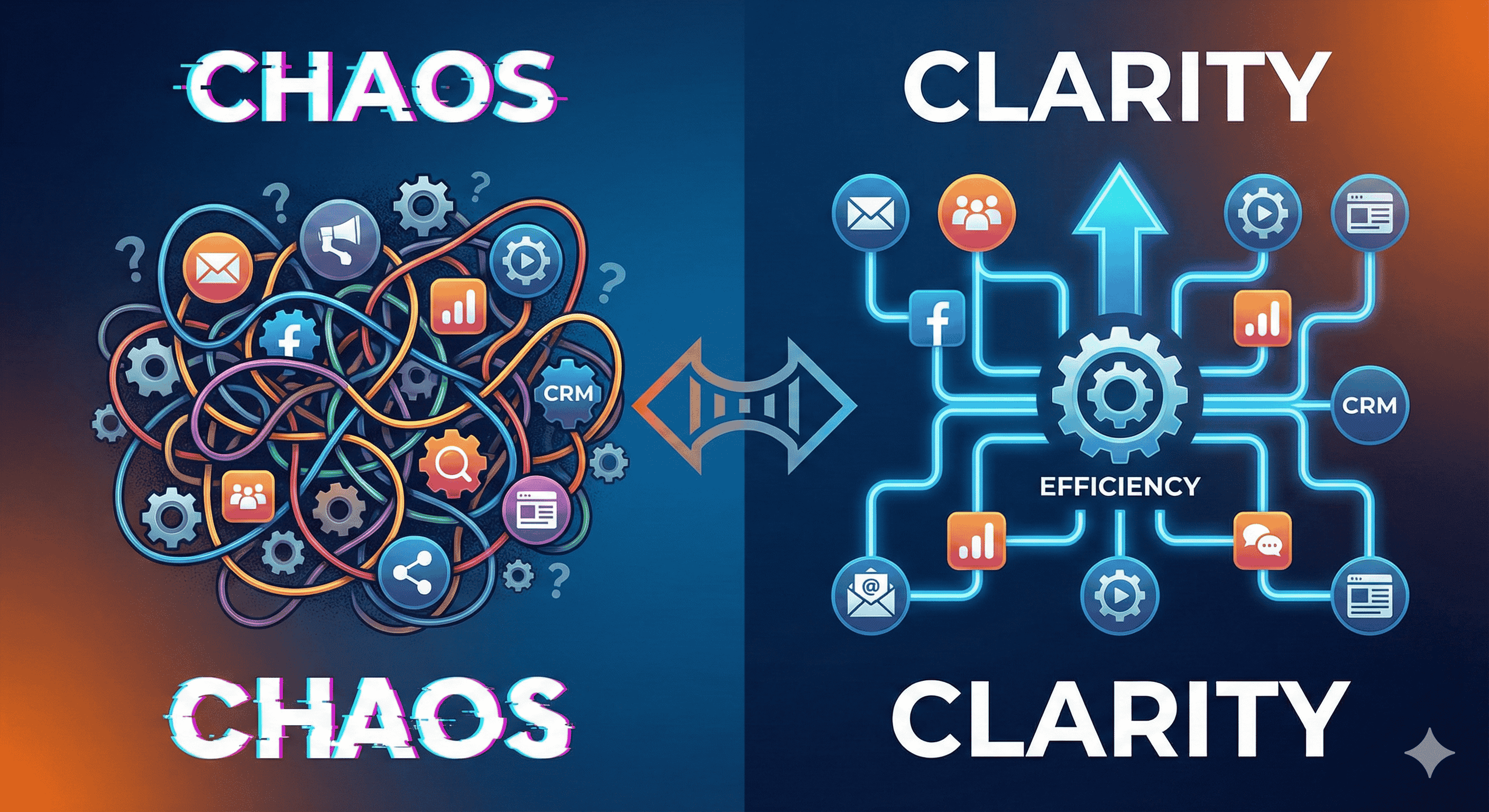
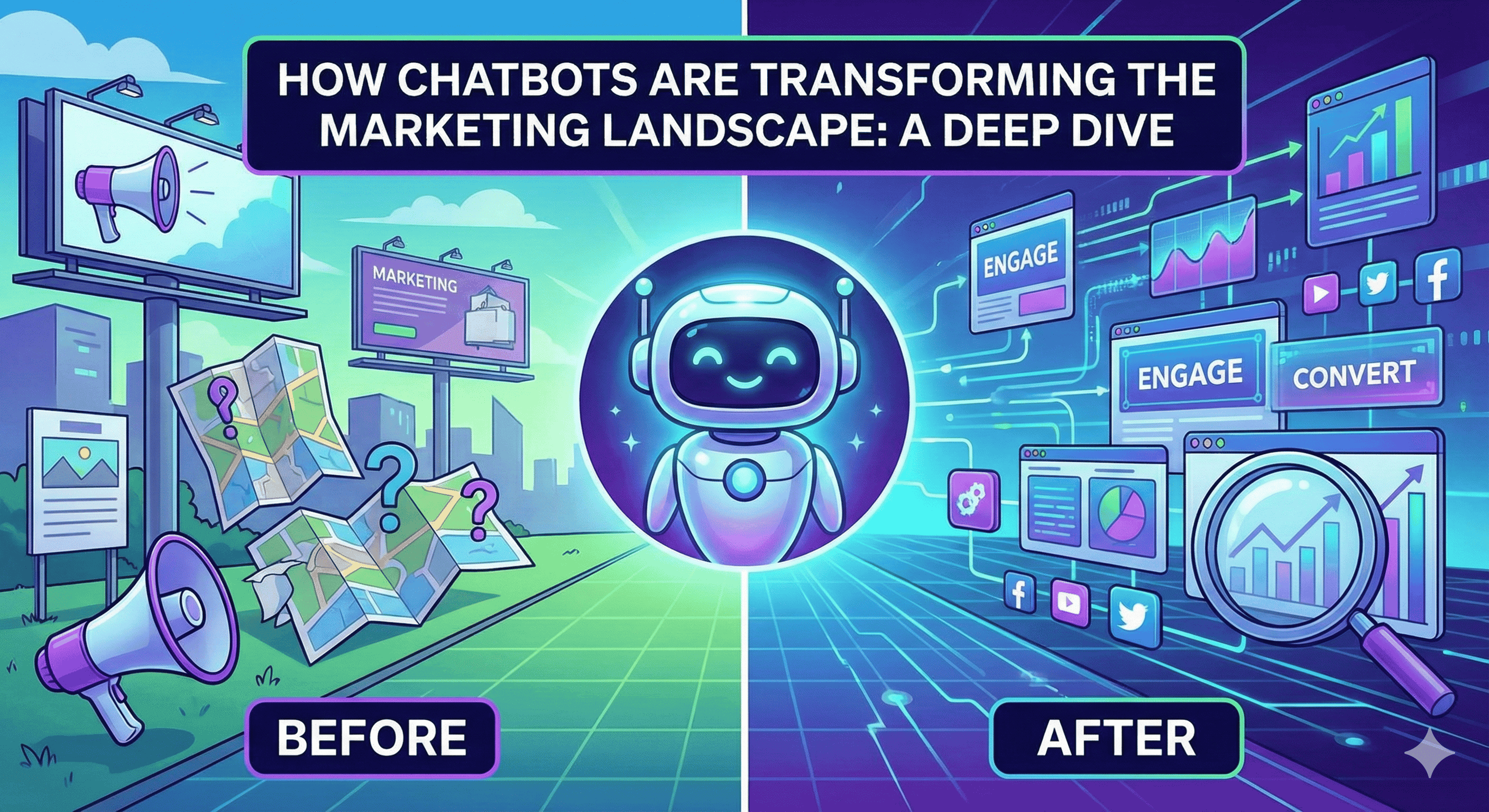
In today’s digital era, businesses are constantly seeking innovative methods to enhance customer engagement, streamline operations, and optimize marketing strategies. Enter chatbots: AI-driven tools that are revolutionizing the marketing landscape. This article explores the transformative impact of chatbots on marketing, their functions, and how businesses can leverage them for success.
The Rise of Chatbots
Since their inception, chatbots have evolved from simple automated responses to sophisticated AI systems capable of engaging in meaningful conversations. According to recent statistics, over 80% of businesses plan to integrate chatbots into their marketing strategies by 2024, indicating a significant shift in how companies approach customer interactions.
1. Enhanced Customer Engagement
One of the most significant benefits of chatbots is their ability to enhance customer engagement. With 24/7 availability, chatbots can provide instant responses to customer inquiries, improving customer satisfaction and retention. This immediacy can lead to higher conversion rates as potential customers receive real-time assistance.
For example, a retail company might utilize a chatbot to guide users through the purchasing process, answer product-related questions, or offer personalized recommendations based on browsing history. This level of interaction not only increases engagement but also builds a connection with the customer.
2. Personalization at Scale
Personalization is key to successful marketing, and chatbots are uniquely positioned to deliver tailored experiences. Using data analytics and machine learning algorithms, chatbots can analyze customer behavior and preferences to provide personalized responses and recommendations.
For instance, a travel agency’s chatbot might offer suggested itineraries based on previous searches, flight preferences, and budget constraints, creating a more individualized experience. This targeted approach leads to increased customer loyalty and higher sales.
3. Streamlining Customer Service
Chatbots are not just for sales; they are also invaluable for customer service. By automating responses to frequently asked questions, chatbots can free up human agents to focus on more complex issues. This not only improves efficiency but also reduces operational costs.
Businesses can implement chatbots on various platforms, such as websites, social media, or messaging apps, ensuring customers can easily access assistance wherever they are. With chatbots handling routine queries, human staff can devote more time to building relationships with clients, ultimately enhancing customer satisfaction.
4. Data Collection and Insights
Another significant advantage of chatbots is their ability to gather valuable data. Every interaction with a chatbot generates insights into customer behavior, preferences, and pain points. Businesses can analyze this data to fine-tune their marketing strategies and inform product development.
For example, if a chatbot frequently encounters questions about a specific product issue, a company can investigate and address this problem in its offerings. Additionally, by understanding customer needs, businesses can create targeted marketing campaigns that resonate more with their audience.
5. Cost-Effective Marketing Solutions
Implementing chatbots can be a cost-effective solution for businesses, especially small to medium-sized enterprises (SMEs) that may not have large marketing budgets. By automating customer interactions, companies can save on personnel costs while still providing excellent customer service.
Furthermore, chatbots can handle a large volume of inquiries simultaneously, making them a scalable solution for growing businesses. As demand increases, companies can enhance their chatbot capabilities without the need to proportionally increase staffing.
6. Integrating with Multi-Channel Marketing
Chatbots can seamlessly integrate into multi-channel marketing strategies, providing a consistent brand voice across platforms. Whether customers engage through social media, websites, or messaging apps, chatbots can maintain the same level of service and branding, ensuring a unified customer experience.
For example, a restaurant chain might use a chatbot across its website and social media channels to take reservations, answer menu questions, and facilitate feedback. This cohesive approach enhances brand loyalty and customer trust.
Conclusion
The transformative power of chatbots in the marketing landscape cannot be overstated. As businesses increasingly recognize their potential, chatbots are rapidly becoming an integral part of marketing strategies. By enhancing customer engagement, personalizing interactions, streamlining service, and providing valuable data insights, chatbots are reshaping how companies connect with their customers.
In a fast-paced digital world, adopting chatbot technology is not just an option; it’s a necessity for businesses aiming to thrive in a competitive marketplace. As this technology continues to evolve, the future of marketing looks brighter than ever, driven by the innovative capabilities of chatbots.