
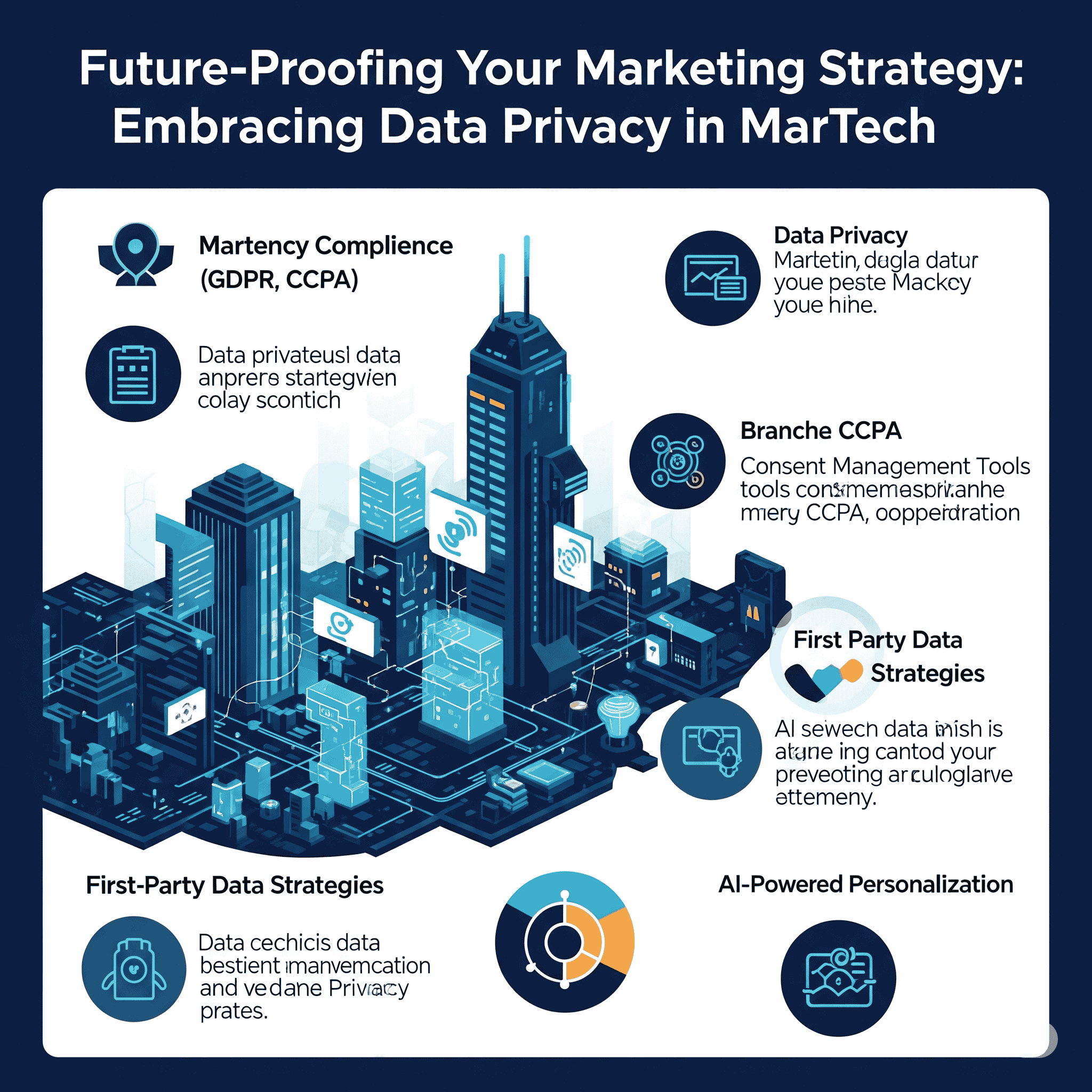
In an era where consumer trust and data integrity are paramount, future-proofing your marketing strategy demands a proactive embrace of data privacy. As regulations tighten and consumers become increasingly aware of their digital footprints, businesses must evolve and adapt their marketing technology (MarTech) strategies to stay competitive and compliant. This article explores the key elements of integrating data privacy into your MarTech strategy for sustainable success.
Understanding the Importance of Data Privacy
The rise of data-centric marketing has revolutionized how businesses engage with consumers. However, with this power comes the responsibility to handle sensitive information ethically and transparently. Recent regulations, like the General Data Protection Regulation (GDPR) in Europe and the California Consumer Privacy Act (CCPA) in the United States, have set stringent guidelines for data collection and usage. Failing to comply can result in hefty fines and a damaged reputation.
Moreover, the contemporary consumer is more informed than ever. They actively seek transparency regarding how their data is utilized. A Marketing Technology strategy that prioritizes data privacy fosters trust and loyalty, ultimately leading to enhanced customer engagement and retention.
Key Strategies for Embracing Data Privacy in MarTech
1. Adopt Privacy-First Tools
Investing in MarTech solutions that prioritize privacy is crucial. Look for platforms that offer features like data anonymization, encryption, and user consent management. These tools enable businesses to gather insights while respecting consumer privacy preferences.
2. Implement Transparent Data Practices
Transparency is key to building consumer trust. Clearly communicate your data collection practices through privacy policies and user consent forms. Use straightforward language and ensure that consumers understand what data is collected, how it’s used, and what their rights are regarding their information.
3. Leverage First-Party Data
With growing restrictions on third-party cookies and tracking, first-party data has become invaluable. This data, collected directly from your audience through interactions and transactions, is not only more reliable but also compliant with privacy regulations. Focus on creating value through personalized experiences that encourage consumers to share their information willingly.
4. Invest in Data Governance and Compliance
Establish a robust framework for data governance. This includes appointing a data protection officer, conducting regular audits, and ensuring that all marketing practices align with local and international privacy regulations. A strong compliance structure not only mitigates risks but also demonstrates a commitment to ethical data handling.
5. Educate Your Team
Continuous education is essential for staying ahead in the fast-evolving landscape of data privacy. Conduct training sessions for your marketing team on data privacy laws, ethical practices, and emerging trends. This will empower them to make informed decisions while crafting campaigns that respect consumer privacy.
6. Utilize Customer Feedback
Engage your audience in conversations about their data preferences. Through surveys and feedback forms, understand their concerns and expectations regarding data usage. This not only helps tailor your marketing strategies but also builds a community around transparency and trust.
7. Prepare for Emerging Technologies
Stay informed about emerging technologies, such as artificial intelligence (AI) and machine learning (ML), which can enhance personalized marketing while posing privacy challenges. Develop ethical AI policies and implement privacy-enhancing technologies (PETs) to balance innovation with consumer protection.
The Road Ahead
Future-proofing your marketing strategy in the face of evolving data privacy challenges requires a shift from viewing compliance as a mere obligation to embracing it as a core value. By prioritizing data privacy, businesses not only protect themselves from regulatory pitfalls but also position themselves as trustworthy leaders in the marketplace.
The integration of data privacy into your MarTech strategy is not just an imperative; it’s an opportunity. By fostering a culture of transparency, investing in ethical technologies, and engaging authentically with consumers, brands can build lasting relationships that thrive on mutual respect.
In conclusion, data privacy isn’t just a trend; it’s the foundation of a sustainable marketing strategy. As we move into a future where privacy concerns will only intensify, organizations that prioritize and innovate around these challenges will emerge as the leaders of tomorrow. Embrace data privacy today to secure a competitive edge for your brand in the future.