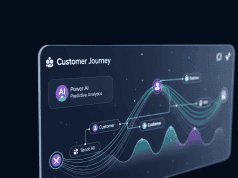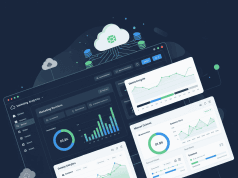

In an era where consumer expectations are at an all-time high, businesses are continuously challenged to provide personalized and seamless experiences. However, many organizations struggle with disparate data sources, which create "data silos." These silos hinder operational efficiency and compromise customer experiences. Enter the Customer Data Platform (CDP), a game-changing tool that unifies customer data, enabling businesses to deliver integrated experiences at every touchpoint.
Understanding Data Silos
Data silos occur when data is isolated within different departments or systems, making it difficult to access and utilize efficiently. Often, marketing, sales, and customer service teams have their own sets of data that are not shared across divisions. This lack of integration can lead to:
- Inconsistent Customer Experiences: Customers receive different messages or services based on fragmented information.
- Inefficiencies in Operations: Teams spend time reconciling data instead of focusing on strategic initiatives.
- Limited Insights: Organizations miss out on a holistic view of customer behavior and trends.
What is a Customer Data Platform (CDP)?
A Customer Data Platform is a centralized system that consolidates and organizes customer data from multiple sources into a single, comprehensive view. It allows businesses to collect, unify, and activate customer data in real time. Unlike traditional data management solutions, a CDP is designed specifically to create a complete customer profile by aggregating data from various sources:
- Transactional Data: Purchasing history, interactions, and feedback.
- Behavioral Data: Online browsing habits, engagement metrics, and social media activity.
- Demographic Data: Age, gender, location, and preferences.
Benefits of Implementing a CDP
1. Unified Customer Profiles
The primary advantage of a CDP is its ability to create a 360-degree view of each customer. This unified profile integrates multiple data points, providing businesses with insights into who their customers are, what they want, and how to engage them effectively.
2. Personalization at Scale
With comprehensive customer profiles, businesses can deliver personalized experiences based on individual preferences and behaviors. Whether through targeted emails, personalized website experiences, or tailored product recommendations, a CDP enables companies to engage customers in a meaningful way.
3. Improved Marketing Efficiency
A CDP streamlines marketing efforts by ensuring that all teams are working with consistent data. This reduces the time spent on data reconciliation and allows marketers to focus on what matters: crafting compelling campaigns that resonate with their audience.
4. Enhanced Customer Insights
By analyzing unified data, businesses can uncover valuable insights about customer behavior and trends. These insights can guide product development, marketing strategies, and customer service improvements, ensuring that offerings align with customer needs.
5. Seamless Omnichannel Experiences
Today’s consumers interact with brands across multiple channels, from social media to email to in-store visits. A CDP ensures that interactions are consistent and seamless across all platforms, maintaining brand integrity and enhancing customer satisfaction.
6. Regulatory Compliance
With increasing regulations around data privacy, such as GDPR and CCPA, a CDP can help businesses manage customer data responsibly. It provides tools to ensure compliance by offering transparency, consent management, and enabling data deletion requests easily.
Conclusion: The Importance of Embracing a CDP
In the digital age, where customer expectations are continually evolving, the need for a seamless and personalized experience has never been more critical. By breaking down data silos and leveraging a Customer Data Platform, businesses can transform their data into actionable insights and deliver integrated experiences that foster customer loyalty and drive growth.
Investing in a CDP is not just about technology; it’s about unlocking the potential of your data to create meaningful interactions with your customers. In a competitive landscape, embracing a CDP can set your business apart, turning challenges into opportunities and ensuring that your organization is not just surviving, but thriving.