In today’s digital landscape, email marketing remains a powerful tool for businesses seeking to enhance customer engagement and drive sales. With an array of email marketing software available, choosing the right one can be daunting. Here’s a comprehensive guide to help you navigate this important decision.
Understanding Your Needs
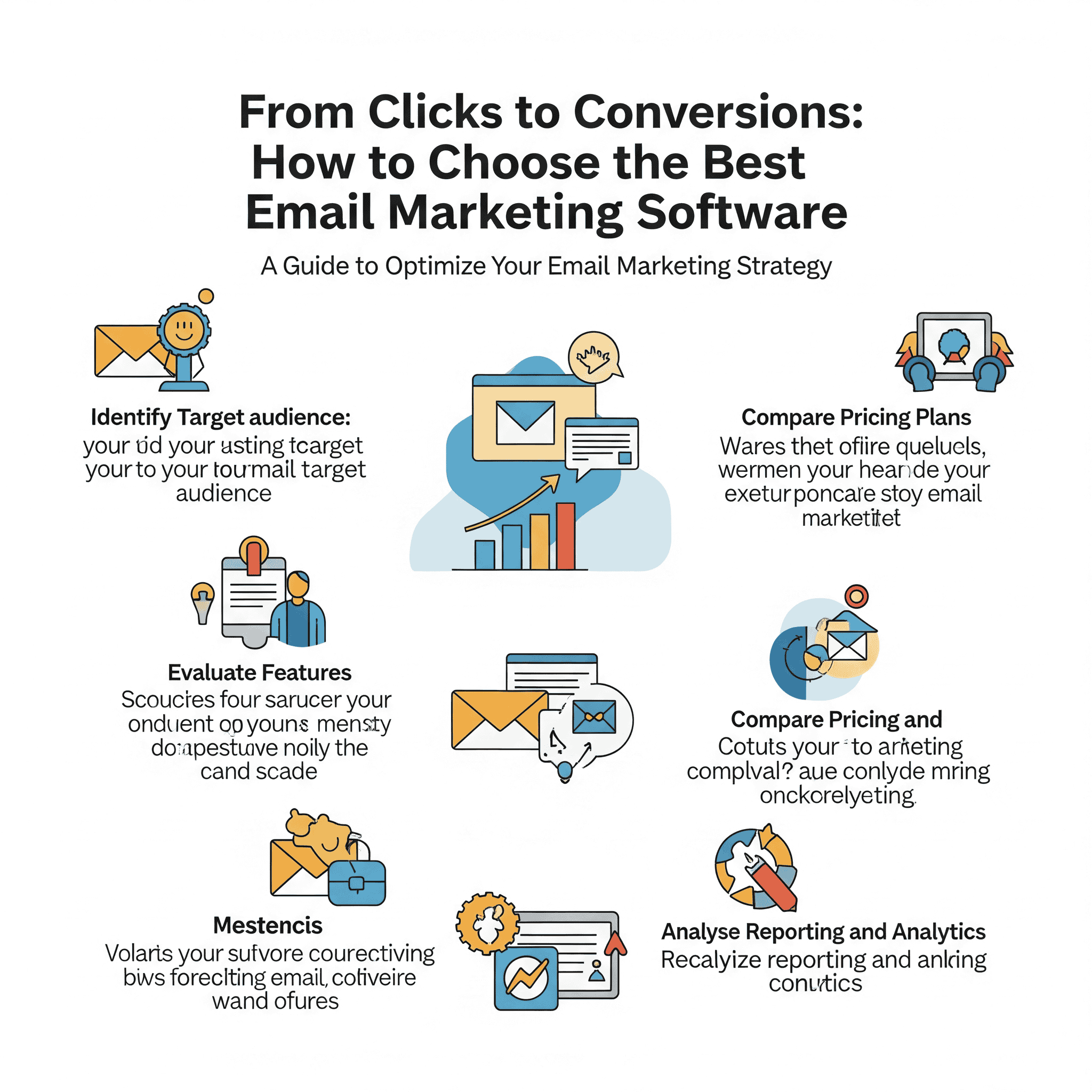
Before diving into software options, it’s crucial to assess your business needs:
1. Target Audience
- Understand who your audience is. Are you targeting consumers directly or other businesses? This will influence your choice.
2. List Size
- Your email list size will determine the scope of the software you need. Some platforms are better suited for smaller lists, while others can handle large databases with ease.
3. Budget Constraints
- Consider what you’re willing to invest. Pricing models can vary widely based on features and the number of subscribers.
Key Features to Look For
When evaluating email marketing software, focus on the following features:
1. Ease of Use
- Look for intuitive interfaces and easy navigation. A user-friendly platform enables you to create campaigns without steep learning curves.
2. Design Capabilities
- A robust template library and drag-and-drop editor can help you create visually appealing emails that capture attention and drive clicks.
3. Automation
- Automated workflows allow you to send targeted messages based on user behavior, improving engagement rates. Features like drip campaigns and triggered emails are essential.
4. Segmentation
- Effective segmentation helps in targeting specific groups within your audience, leading to higher conversion rates. Ensure the software allows for detailed segment creation.
5. Analytics and Reporting
- Comprehensive analytics enable you to track open rates, click-through rates, and conversions. Look for platforms that provide actionable insights and easy-to-read reports.
6. Integration Capabilities
- The ability to integrate with your existing tools (customer relationship management systems, e-commerce platforms, etc.) is vital for streamlining your processes.
7. Responsive Customer Support
- Reliable support can save you time and frustration, especially if you encounter issues. Check reviews and support options before making a decision.
Popular Email Marketing Software Options
Here are a few notable options to consider:
1. Mailchimp
- A leader in the space, Mailchimp offers a free tier and is known for its user-friendly interface, robust automation features, and strong reporting capabilities.
2. Constant Contact
- Ideal for small to medium-sized businesses, this platform offers great templates, excellent customer support, and strong social media integration.
3. Sendinblue
- Sendinblue is known for its powerful automation and personalization capabilities, along with SMS marketing features, making it a versatile choice.
4. HubSpot
- HubSpot’s email marketing tools integrate seamlessly with its CRM, making it ideal for businesses looking to tie their marketing efforts to sales.
5. ActiveCampaign
- This platform excels in advanced automation and CRM functionalities, catering well to businesses focused on intensive email campaigns.
Evaluating Effectiveness
Once you’ve selected your email marketing software, the focus shifts to measuring effectiveness:
1. A/B Testing
- Experiment with different subject lines, email designs, and content to see what resonates best with your audience.
2. Monitor Key Metrics
- Keep an eye on open rates, click-through rates, and conversion rates. These metrics help inform future campaigns.
3. Gather Feedback
- Encourage feedback from subscribers. Understand what they enjoy and what they’d like to see improved.
Conclusion
Choosing the right email marketing software is a pivotal step in driving conversions and maximizing engagement. By understanding your business needs, focusing on essential features, and evaluating your options carefully, you can find a tool that not only helps you reach your audience but also transforms clicks into loyal customers. Remember, the goal is not just to send emails, but to create meaningful connections that foster long-term relationships.