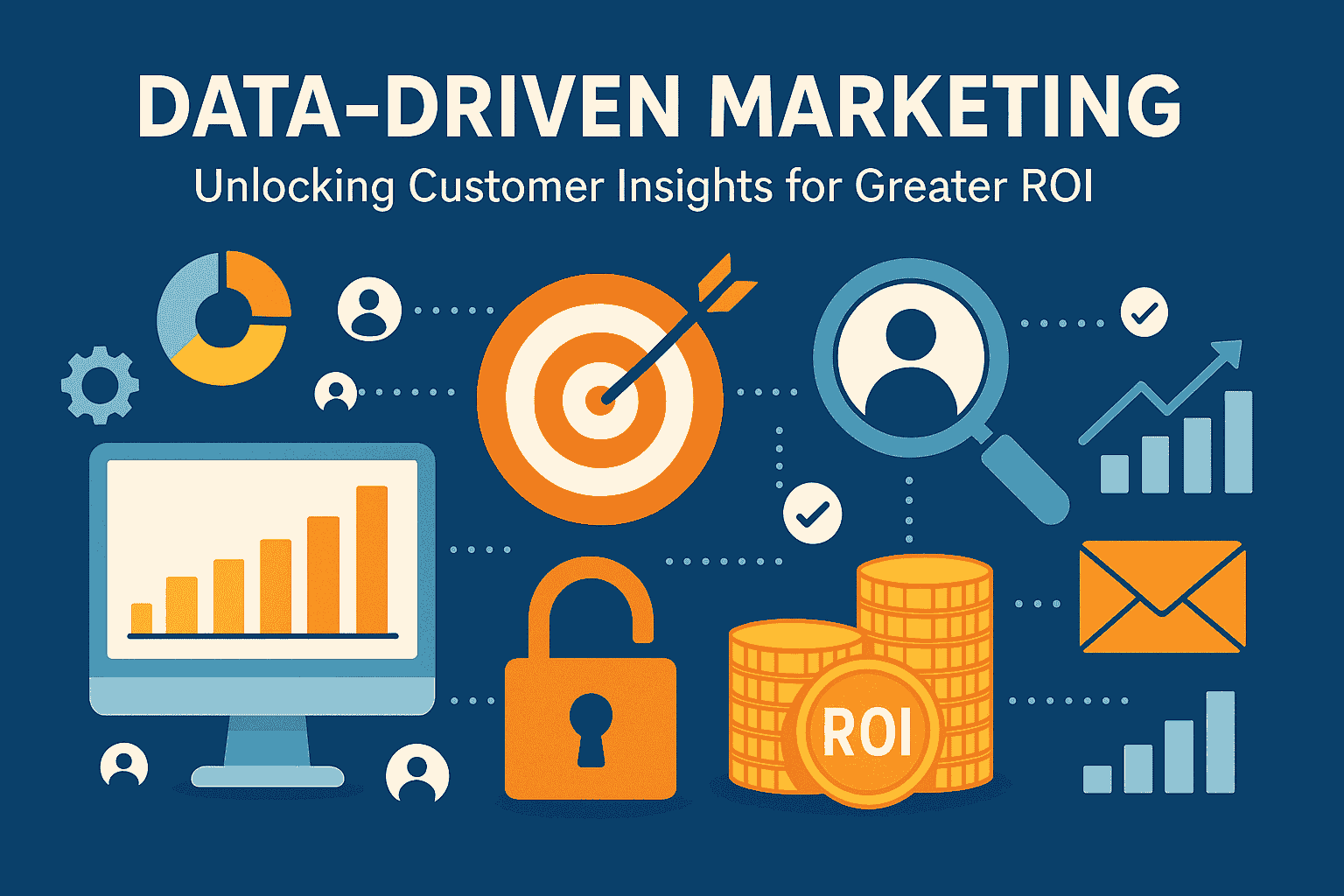
In today’s fast-paced digital landscape, businesses face mounting pressure to tailor their marketing efforts for maximum impact. As competition intensifies, data-driven marketing has emerged as a crucial strategy for unlocking customer insights and achieving greater return on investment (ROI). By effectively harnessing data, companies can not only enhance their marketing strategies but also build lasting relationships with their customers.
Understanding Data-Driven Marketing
Data-driven marketing refers to the practice of using customer data and analytics to inform marketing strategies and decision-making processes. This approach allows businesses to analyze vast amounts of data—ranging from customer behavior and preferences to market trends—thereby enabling them to create targeted, personalized marketing campaigns. By relying on empirical evidence rather than intuition, businesses can identify opportunities, reduce risks, and optimize performance.
The Importance of Customer Insights
Customer insights are the foundation of a successful data-driven marketing strategy. By understanding who their customers are, what they want, and how they behave, businesses can tailor their offerings to meet customer needs effectively. Key aspects of customer insights include:
Behavior Analysis: Tracking customer interactions across various touchpoints, such as website visits, social media engagements, and email responses, allows marketers to understand customer preferences and patterns.
Segment Identification: Data analytics helps in segmenting the customer base into distinct categories based on demographics, psychographics, and purchasing behavior. This segmentation enables hyper-targeted marketing efforts, increasing the chances of conversion.
- Predictive Analytics: Using historical data, companies can anticipate future customer behavior, such as churn rates or potential upsell opportunities. Predictive models empower businesses to make informed decisions and allocate resources efficiently.
Benefits of Data-Driven Marketing
Adopting a data-driven marketing approach can lead to numerous advantages:
1. Enhanced Customer Targeting
With rich data at their disposal, marketers can create precise customer personas, allowing for customized offerings. This targeted approach not only boosts engagement but also increases conversion rates, creating a more efficient marketing funnel.
2. Improved Customer Experience
Personalization is key to modern consumer expectations. Through data analysis, businesses can tailor content, recommendations, and experiences to individual customers—all of which contribute to enhanced satisfaction and loyalty.
3. Increased ROI
By optimizing marketing strategies based on concrete data, businesses can invest their resources more wisely. This precision reduces wasted spend on ineffective campaigns, translating to higher ROI.
4. Measurement and Optimization
Data-driven marketing allows companies to measure the effectiveness of their campaigns in real-time. Insights derived from analytics enable continuous optimization, ensuring that marketing efforts remain agile and responsive to changes in consumer behavior.
Implementing a Data-Driven Marketing Strategy
To successfully implement a data-driven marketing strategy, businesses can follow these essential steps:
1. Establish Clear Objectives
Define what success looks like for your marketing efforts. Whether it’s increasing conversions, improving customer retention, or launching a new product, having clear objectives provides direction for your data-driven initiatives.
2. Invest in the Right Tools
Utilizing analytics software and customer relationship management (CRM) systems is crucial for gathering and analyzing data. Investing in the right tools can streamline data collection and provide actionable insights.
3. Collect and Analyze Data
Gather data from various sources, including website analytics, social media metrics, customer surveys, and purchase history. Use analytical tools to process and derive meaningful insights that can inform your marketing strategies.
4. Test and Iterate
Experiment with different marketing tactics based on your insights. A/B testing can help you understand what resonates with your audience, allowing for continuous refinement of your approach.
5. Foster a Data-Driven Culture
Encourage team members across the organization to embrace a data-driven mindset. Share insights and results to foster collaboration and innovation, ensuring that everyone is aligned with the overall strategy.
Conclusion
In an increasingly data-centric world, data-driven marketing stands out as a powerful strategy for unlocking customer insights and enhancing ROI. By focusing on understanding customer behavior and preferences, businesses can create targeted, personalized marketing campaigns that not only drive sales but also build enduring customer relationships. As companies continue to refine their data strategies, the ability to leverage customer insights will be vital in gaining a competitive edge in the marketplace. Embracing this transformative approach can pave the way for long-lasting business success.