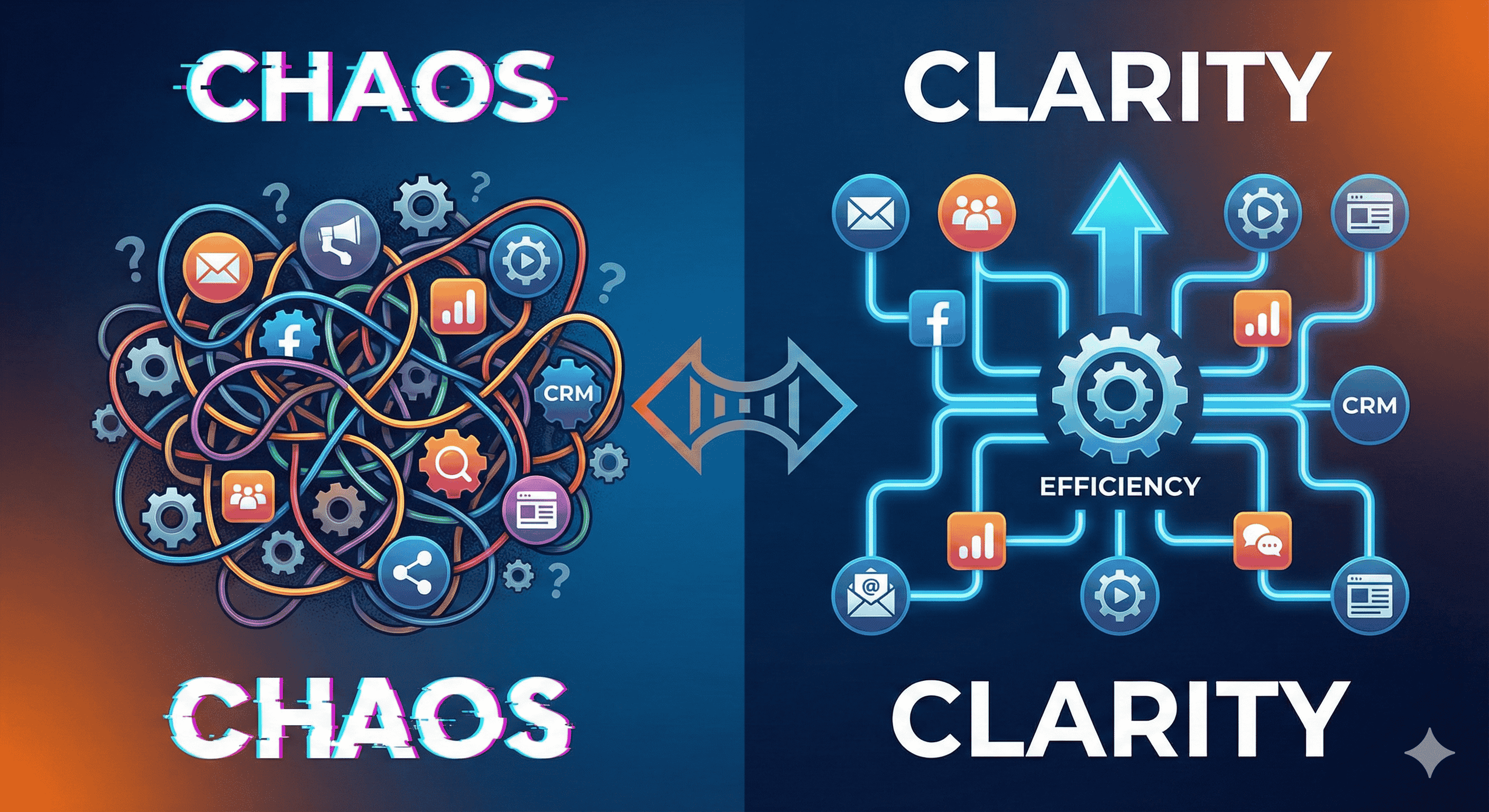

In today’s business landscape, where customer experience (CX) is paramount, selecting the right tools to enhance and monitor interactions with customers can be a game-changer. An optimal CX strategy not only boosts customer satisfaction but also drives loyalty and revenue. With a myriad of customer experience tools available, making an informed choice is crucial.
Understanding the Types of Customer Experience Tools
Before diving into comparisons, it’s essential to understand the various categories of customer experience tools available:
- Customer Feedback Tools: These tools collect insights directly from customers, allowing businesses to gauge satisfaction, understand pain points, and identify areas for improvement. Examples include surveys and NPS (Net Promoter Score) tools.
- Customer Relationship Management (CRM) Systems: CRMs help manage customer data and interactions, streamlining communication and facilitating personalized engagement. Popular options include Salesforce and HubSpot.
- Analytics and Reporting Tools: These tools analyze data to provide insights into customer behavior, preferences, and challenges. They assist in making data-driven decisions.
- Social Media Management Tools: Platforms like Hootsuite and Buffer help manage interactions on social media, track brand sentiment, and engage with customers in real-time.
- Live Chat and Support Tools: Tools like Zendesk and Intercom enable real-time communication with customers, addressing inquiries and concerns instantaneously.
Key Factors to Consider
When evaluating customer experience tools, consider the following criteria:
1. Integration Capabilities
Choose tools that seamlessly integrate with your existing systems, such as your website, CRM, and email marketing platforms. This ensures a coherent and unified approach to managing customer interactions.
2. User-Friendly Interface
A tool with a simple and intuitive interface reduces the learning curve for your team. Easy navigation enhances adoption rates and helps maintain a focus on customer engagement.
3. Customization Options
Every business is unique, making it essential to select tools that offer customization capabilities. Tailor the features to fit your specific needs and workflows.
4. Scalability
As businesses grow, their needs evolve. Choose tools that can scale as your company expands, accommodating an increasing number of users and customers without compromising performance.
5. Analytics and Reporting Features
Sophisticated reporting tools allow managers to track progress, measure success, and pinpoint areas for improvement. Look for features that provide real-time analytics.
A Comparison of Popular Customer Experience Tools
Here’s a comparison of some leading customer experience tools across various categories:
Customer Feedback Tools
- SurveyMonkey
- Strengths: User-friendly interface, various question types, and robust reporting capabilities.
- Best For: Gathering quick feedback and conducting simple surveys.
- SurveyMonkey
- Qualtrics
- Strengths: In-depth analytics and advanced survey features.
- Best For: Enterprises looking for comprehensive feedback solutions.
- Qualtrics
CRM Systems
- Salesforce
- Strengths: Highly customizable, vast range of integrations, and extensive community support.
- Best For: Large organizations needing comprehensive CRM solutions.
- Salesforce
- HubSpot
- Strengths: Free version available, strong marketing integration, and user-friendly.
- Best For: Small to medium-sized businesses seeking an affordable option.
- HubSpot
Analytics and Reporting Tools
- Google Analytics
- Strengths: Free to use, comprehensive features, and strong community support.
- Best For: Businesses looking for web traffic insights and user behavior analysis.
- Google Analytics
- Tableau
- Strengths: Powerful data visualization and complex reporting features.
- Best For: Companies needing in-depth data analysis capabilities.
- Tableau
Social Media Management
- Hootsuite
- Strengths: Effective scheduling and analytics features, ability to monitor multiple accounts.
- Best For: Businesses managing multiple social media channels.
- Hootsuite
- Buffer
- Strengths: Simplified scheduling with an easy-to-use interface.
- Best For: Small businesses looking for straightforward social media management.
- Buffer
Live Chat and Support Tools
- Zendesk
- Strengths: Robust support features and extensive integrations.
- Best For: Companies needing a comprehensive customer service platform.
- Zendesk
- Intercom
- Strengths: Excellent for personalized customer interactions and engaging messaging.
- Best For: Tech-savvy businesses focusing on proactive customer communication.
- Intercom
Conclusion
Choosing the right customer experience tools is crucial for delivering exceptional service and fostering customer loyalty. By assessing your business needs, understanding various tool types, and considering critical factors like integration, usability, and scalability, you can make an informed decision that aligns with your organizational goals.
Investing time and resources in the right tools will not only streamline your processes but also enhance the overall customer journey, making your business stand out in today’s competitive marketplace.