
In today’s fast-paced business environment, the ability to make informed decisions based on data is more important than ever. As marketing evolves, organizations are increasingly turning to Artificial Intelligence (AI) to enhance their analytics capabilities, transforming raw data into actionable insights. This article explores how AI is reshaping marketing analytics and empowering businesses to make smarter decisions.
The Explosion of Data
With the rise of digital platforms, businesses are inundated with vast amounts of data—from customer interactions and sales transactions to social media engagements and website traffic. Traditional data analysis methods struggle to keep up with the velocity and volume of this information.
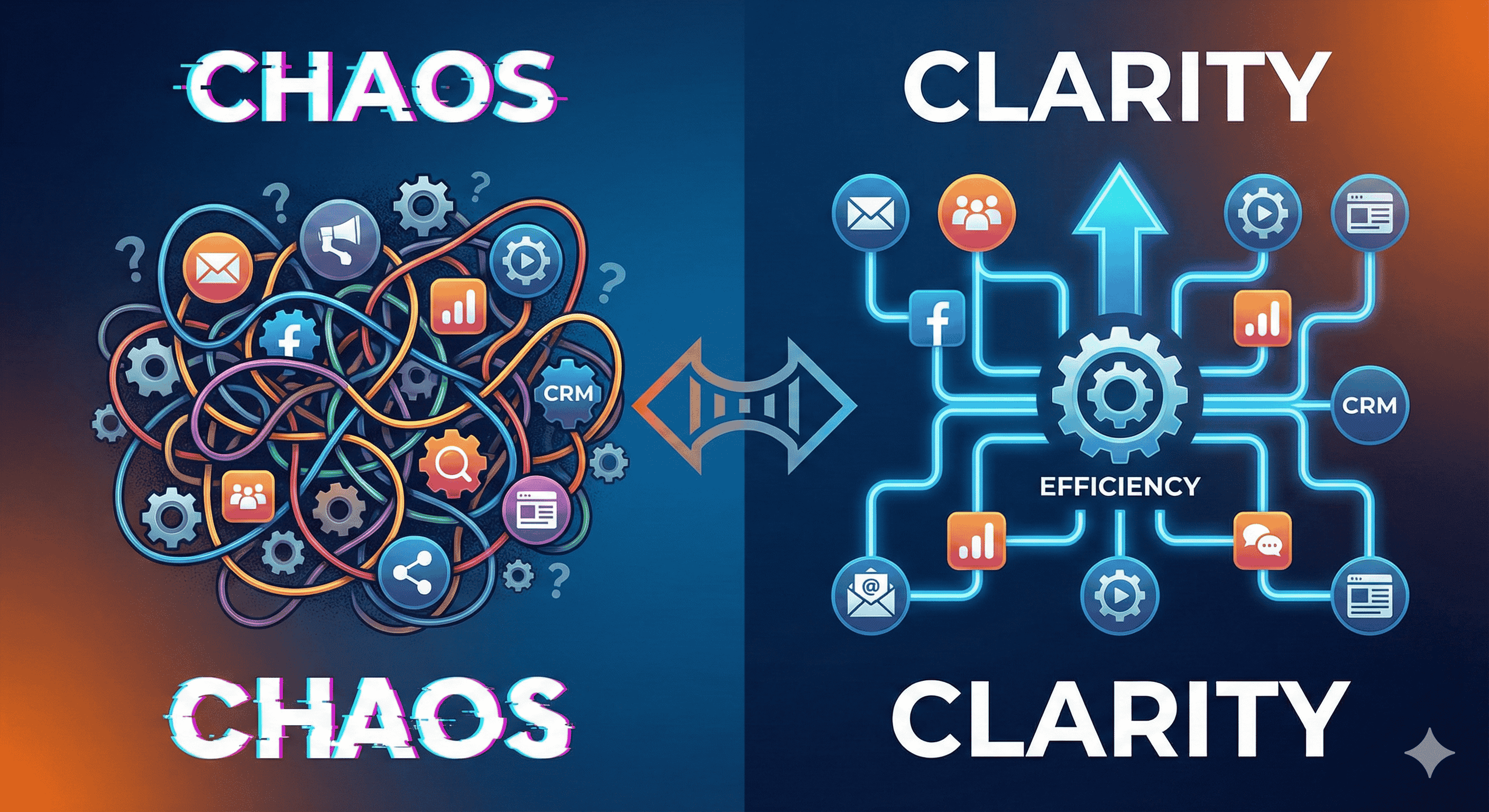
AI addresses these challenges by automating data collection and analysis processes, allowing marketers to focus on strategic initiatives rather than becoming bogged down in sifting through spreadsheets and reports.
AI-Powered Analytics: Key Benefits
1. Enhanced Predictive Analytics
One of the most powerful applications of AI in marketing analytics is predictive analytics. Machine learning algorithms analyze historical data to forecast future trends. Marketers can anticipate customer behavior, preferences, and purchasing patterns, enabling them to tailor campaigns more effectively. For instance, AI can identify which customers are likely to churn, allowing businesses to proactively engage and retain them.
2. Customer Segmentation and Personalization
AI enables marketers to segment their audiences with unprecedented precision. By analyzing behavioral data, demographic information, and past interactions, AI can uncover hidden patterns that traditional methods might overlook. This segmentation allows for hyper-personalized marketing strategies, ensuring that the right message reaches the right audience at the right time.
3. Real-Time Decision Making
In the age of instant information, the speed at which decisions are made can significantly impact business outcomes. AI facilitates real-time analytics, allowing marketers to adjust campaigns on-the-fly based on immediate feedback. For example, if a particular ad is not performing well, AI-driven analytics can quickly suggest changes to improve effectiveness, helping to optimize return on investment (ROI).
4. Improved Content Marketing
Content is king in the digital landscape, but creating relevant and engaging content can be a challenge. AI tools can analyze which types of content resonate most with target audiences based on engagement metrics. They can even generate content suggestions or optimize headlines, leading to increased engagement rates and more effective marketing efforts.
5. Automating Routine Tasks
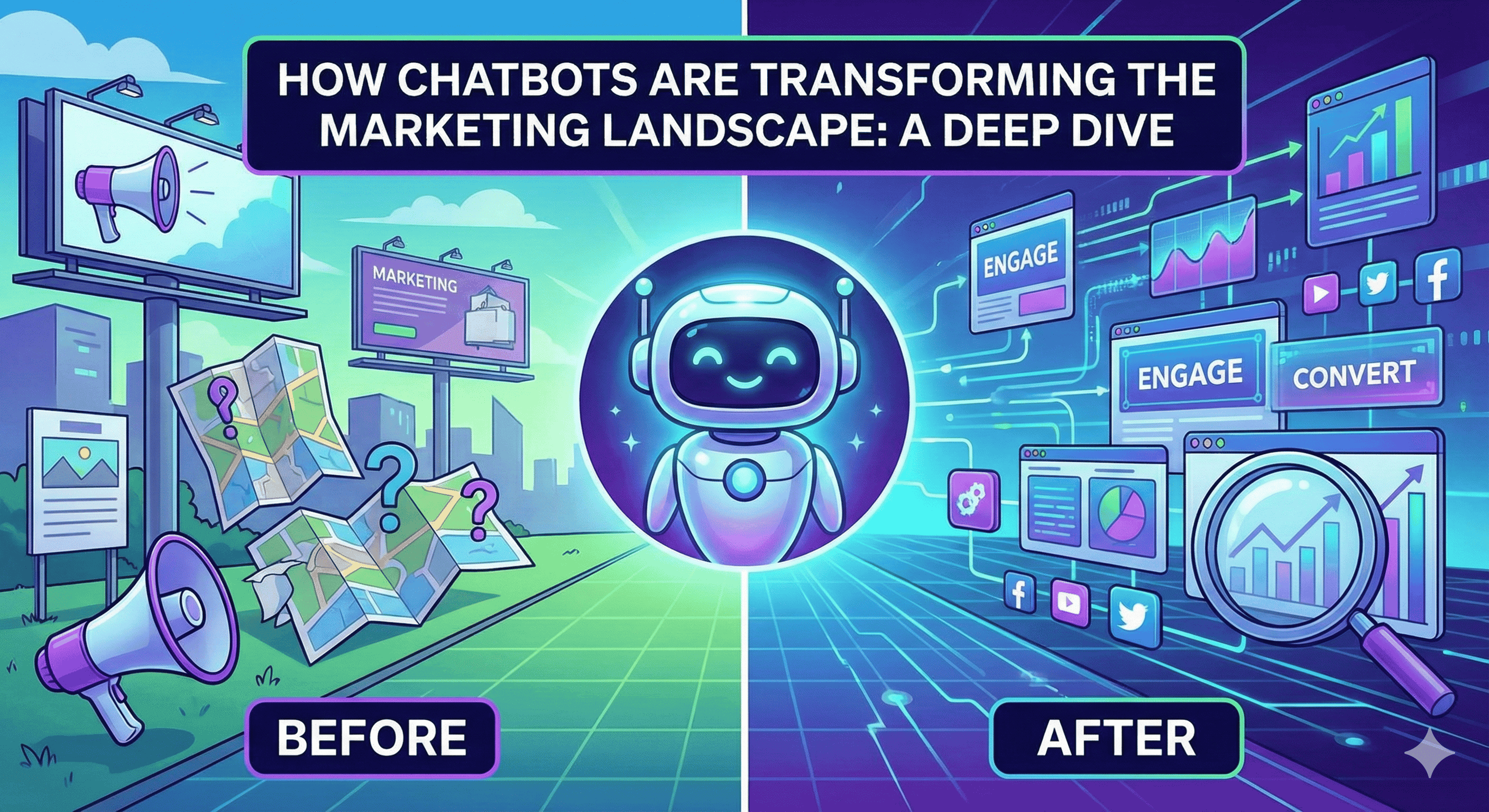
AI not only analyzes data but also automates routine marketing tasks. This includes data entry, reporting, and even customer service interactions through chatbots. By reducing the manual workload, marketers can devote more time to strategic planning and creative initiatives that drive business growth.
Challenges and Considerations
Despite the many advantages, the integration of AI into marketing analytics is not without its challenges. Data privacy concerns remain a significant issue; organizations must ensure they comply with regulations such as GDPR. Additionally, the quality of insights generated is only as good as the data fed into AI systems. Marketers need to invest in data cleaning and management processes to maximize the effectiveness of AI.
Moreover, there is a learning curve associated with implementing AI technologies. Training staff to harness these tools effectively is essential, as is fostering a culture that embraces data-driven decision-making.
The Future of Marketing Analytics
As AI technologies continue to evolve, their impact on marketing analytics will only grow. Emerging trends like voice search optimization, augmented reality (AR), and even deeper integration of AI in customer relationship management (CRM) systems will shape the way businesses understand and interact with their customers.
For marketers, the key to successfully leveraging AI lies in staying informed about technological advancements and continuously adapting strategies to harness the full potential of these tools.
Conclusion
AI is revolutionizing marketing analytics, transforming how businesses interpret data and make decisions. By harnessing the power of predictive analytics, improved customer segmentation, real-time decision-making, and automation, organizations can drive more effective marketing strategies. As AI continues to advance, the relationship between data and decision-making will only deepen, promising an exciting future for marketers willing to embrace these innovations. In this data-driven age, leveraging AI is not just beneficial; it’s essential for staying competitive.