In today’s fast-paced digital landscape, artificial intelligence (AI) is revolutionizing advertising strategies, reshaping how brands connect with consumers. As technology continues to advance, advertisers are leveraging AI to enhance targeting accuracy, optimize ad placements, and create personalized customer experiences. This article explores the transformative impact of AI on advertising and highlights emerging trends that define the future of marketing.
The Rise of AI in Advertising
AI technology has become integral to the advertising ecosystem. From data analysis to content creation, AI-driven solutions empower marketers to make informed decisions and boost campaign effectiveness. Here are some key areas where AI is making a significant impact:
1. Enhanced Targeting and Segmentation
Traditional advertising methods often relied on broad audience categories. However, AI facilitates advanced data analytics, enabling advertisers to gather insights from vast amounts of consumer data. Machine learning algorithms can analyze customer behavior, preferences, and demographics, allowing for precise audience segmentation. This targeted approach ensures that ads reach the right people at the right time, ultimately improving conversion rates.
2. Predictive Analytics
Predictive analytics, powered by AI, allows advertisers to forecast future consumer behaviors based on historical data. By analyzing trends and patterns, brands can anticipate customer needs and tailor their marketing strategies accordingly. This capability not only increases the effectiveness of campaigns but also helps in budgeting and resource allocation.
3. Personalized Content Creation
In an era where consumers crave personalized experiences, AI-driven content creation tools are revolutionizing how brands communicate. AI can generate tailored content, such as emails, social media posts, and advertisements, based on individual customer preferences. By analyzing engagement metrics and feedback, AI systems continuously refine their output, ensuring that content resonates with the target audience.
4. Real-Time Ad Optimization
AI enables real-time ad optimization, allowing marketers to adjust campaigns based on immediate performance metrics. With programmatic advertising, AI algorithms can automate the buying and placement of ads, ensuring that they appear where they are most likely to achieve desired outcomes. This dynamic approach ensures maximum return on investment and reduces marketing waste.
5. Chatbots and Customer Engagement
Chatbots powered by AI have revolutionized customer service and engagement. Brands can deploy chatbots on their websites and social media platforms to provide instant responses to inquiries, recommend products, and gather customer feedback. This level of engagement not only enhances the customer experience but also generates valuable data for refining marketing strategies.
Emerging Trends Shaping the Future of Advertising
As AI continues to evolve, several trends are emerging that will shape the future of advertising:
1. Voice Search and AI Assistants
With the rise of voice-activated devices, optimizing for voice search is becoming essential. Advertisers need to adapt their strategies to accommodate this shift, focusing on natural language processing and conversational marketing. AI assistants like Siri, Google Assistant, and Alexa will play a pivotal role in how ads are discovered and interacted with in the future.
2. Visual Recognition Technology
AI-powered visual recognition technology is transforming visual advertising. Brands can analyze images and videos to understand consumer preferences better. This technology allows for the creation of visually-focused campaigns that resonate with audiences, enhancing brand storytelling and engagement.
3. Ethical Considerations and Transparency
As AI becomes more embedded in advertising, ethical considerations arise. Consumers are becoming increasingly aware of data privacy issues, leading to calls for transparency in how their data is used. Advertisers must prioritize ethical practices and build trust to maintain positive consumer relationships.
4. Augmented and Virtual Reality
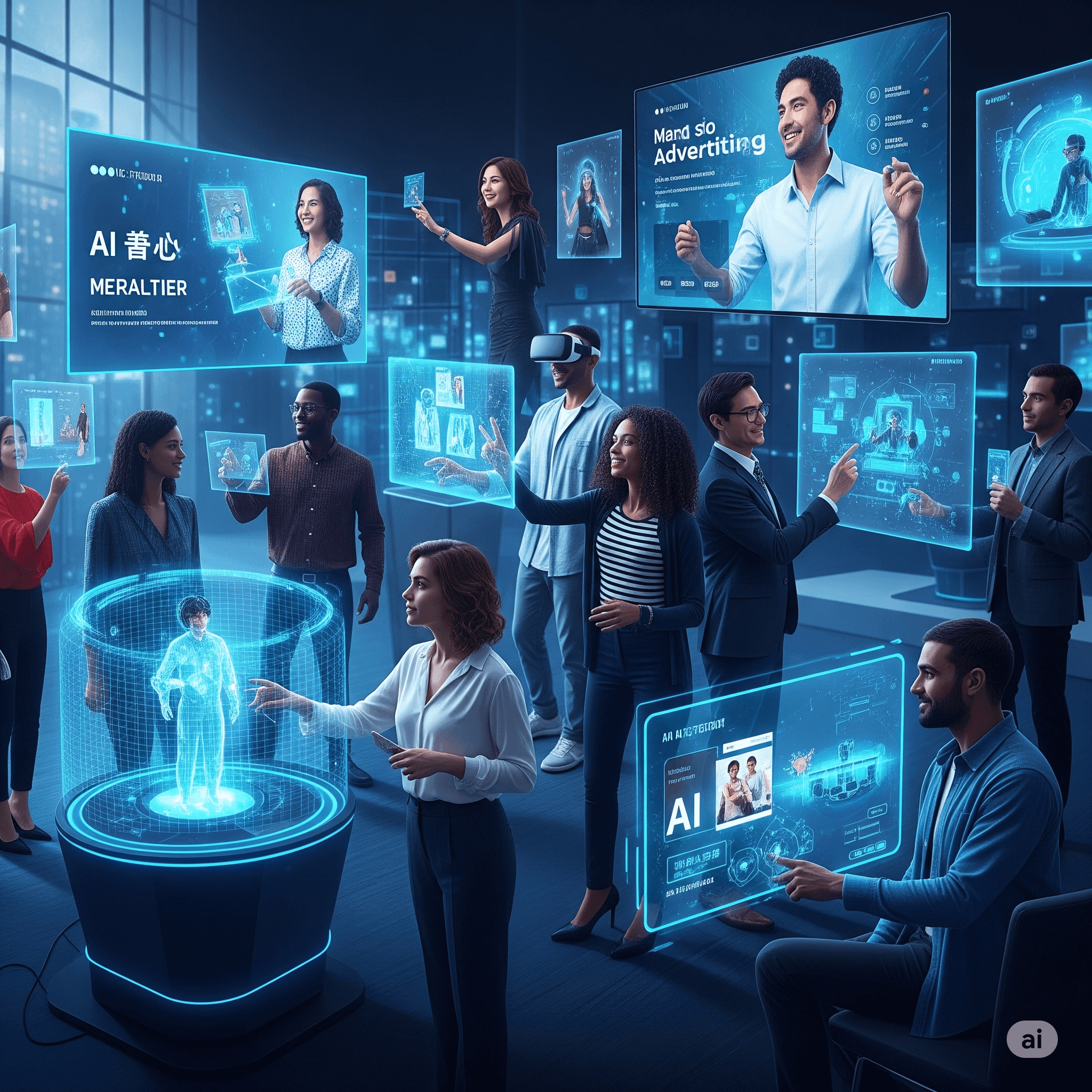
AR and VR technologies are enhancing immersive advertising experiences. Brands can create interactive campaigns that engage consumers in unique ways, utilizing AI to tailor experiences based on individual preferences. This trend is particularly relevant for industries such as fashion, real estate, and travel.
Conclusion
The integration of AI in advertising is not just a trend; it represents a fundamental shift in how brands interact with consumers. By leveraging AI-driven insights, marketers can craft more targeted, personalized, and effective campaigns that resonate with their audiences. As technology continues to evolve, staying ahead of emerging trends will be crucial for advertisers looking to thrive in the ever-changing landscape. Embracing AI is not just about adopting new tools; it’s about reimagining the future of advertising and leveraging technology to create meaningful connections with consumers.