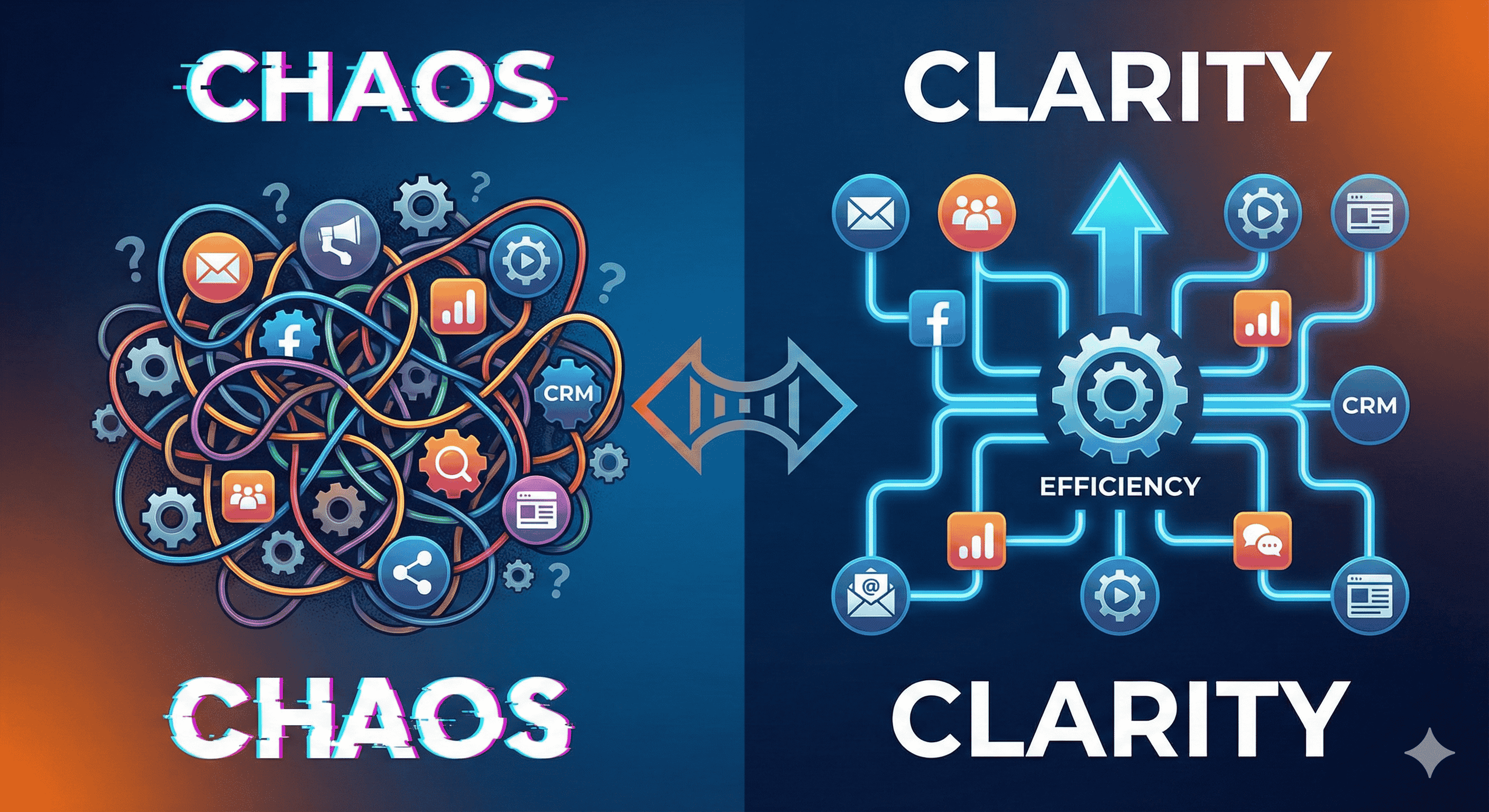

In the fast-paced world of digital marketing, campaign management tools are essential for marketers looking to streamline their processes, analyze results, and effectively engage with their audience. As the landscape evolves, so too do the capabilities of these tools. Below, we outline the fundamental features that make for an effective campaign management tool, aiding marketers in achieving their strategic goals.
1. User-Friendly Interface
An intuitive interface is crucial. Marketers often work under tight deadlines and need to navigate quickly through various functions. A tool that is easy to learn and use allows marketers to focus on creativity and strategy rather than struggle with complicated software.
Key Elements:
- Drag-and-drop functionality
- Customizable dashboards
- Clear navigation menus
2. Integrated Analytics and Reporting
Data-driven decision-making is paramount in modern marketing. Effective campaign management tools should offer robust analytics to track performance metrics, such as open rates, click-through rates, conversion rates, and ROI. Comprehensive reporting features enable marketers to identify what works and what needs adjustment.
Key Elements:
- Real-time analytics and dashboards
- Custom report generation
- A/B testing capabilities
3. Automation Capabilities
Automation reduces the time spent on repetitive tasks, allowing marketers to focus on more strategic initiatives. Campaign management tools should include features such as automated email marketing, social media posting, and lead nurturing workflows. This not only increases efficiency but also helps maintain engagement with the audience.
Key Elements:
- Automated workflows and triggers
- Scheduling for social media posts
- Personalized email campaigns
4. Segmentation and Targeting
Effective targeting is essential for the success of any campaign. Campaign management tools should facilitate audience segmentation based on demographics, behavior, and engagement levels. This allows marketers to tailor messages specifically suited to different segments of their audience.
Key Elements:
- Audience segmentation tools
- Behavioral targeting options
- Dynamic content delivery
5. Multi-Channel Integration
Today’s consumers interact with brands across various channels—from email to social media to websites. A robust campaign management tool should support multi-channel marketing, enabling marketers to create cohesive strategies that reach their audience everywhere they are.
Key Elements:
- Integration with social media platforms
- Email marketing capabilities
- Support for web ads and landing pages
6. Collaboration Features
Marketing is often a team effort, and collaboration features can enhance communication among team members. Tools that allow for shared dashboards, comments, and project management functionalities streamline workflow and ensure everyone is on the same page.
Key Elements:
- Team collaboration tools
- Task assignment and tracking
- Shared access to reports and analytics
7. Lead Management and CRM Integration
Effective campaign management must include lead management features. Integrating Customer Relationship Management (CRM) systems helps in tracking leads from initial contact through conversion, making it easier for marketers to nurture leads into customers.
Key Elements:
- Lead scoring and tracking
- Integration with popular CRMs (e.g., Salesforce, HubSpot)
- Insight into customer journey
8. Budgeting and Financial Management
Understanding the financial aspect of campaigns is essential for measuring their success. Tools that offer budgeting features help marketers allocate resources wisely, forecast expenses, and manage ROI effectively.
Key Elements:
- Budget tracking and management
- Financial reporting tools
- Cost-per-acquisition analysis
9. Customization and Scalability
As businesses grow, their needs evolve. Marketers require tools that are customizable and scalable to accommodate future growth. This includes the ability to add new users, features, or integrations as the organization expands.
Key Elements:
- Custom workflows tailored to specific needs
- Scalability to support larger teams or increasing data
- Integration with new technologies and platforms
Conclusion
In a competitive marketplace, effective campaign management tools serve as invaluable assets for marketers. By selecting tools equipped with these essential features, marketers can enhance their efficiency, make data-driven decisions, and ultimately drive better results. The right toolbox is not just about managing campaigns efficiently; it’s about empowering marketers to strategize and execute with confidence and creativity.