
Integrating CRM with AI: Revolutionizing Customer Engagement Strategies
Customer Relationship Management (CRM) systems have long been essential tools for businesses, serving as centralized platforms to manage customer data, track interactions, and streamline processes. However, with the advent of Artificial Intelligence (AI), the traditional dynamics of customer engagement are being redefined. The integration of AI with CRM systems is not just a trend; it’s a transformative strategy that stands to enhance customer relationships, improve operational efficiency, and drive growth.
The Evolution of CRM
Historically, CRM systems focused primarily on collecting and organizing customer data. They enabled businesses to keep track of customer interactions and preferences, but their capabilities were largely passive. Sales teams would often rely on historical data without tailoring their approaches to meet the evolving needs of their customers in real-time.
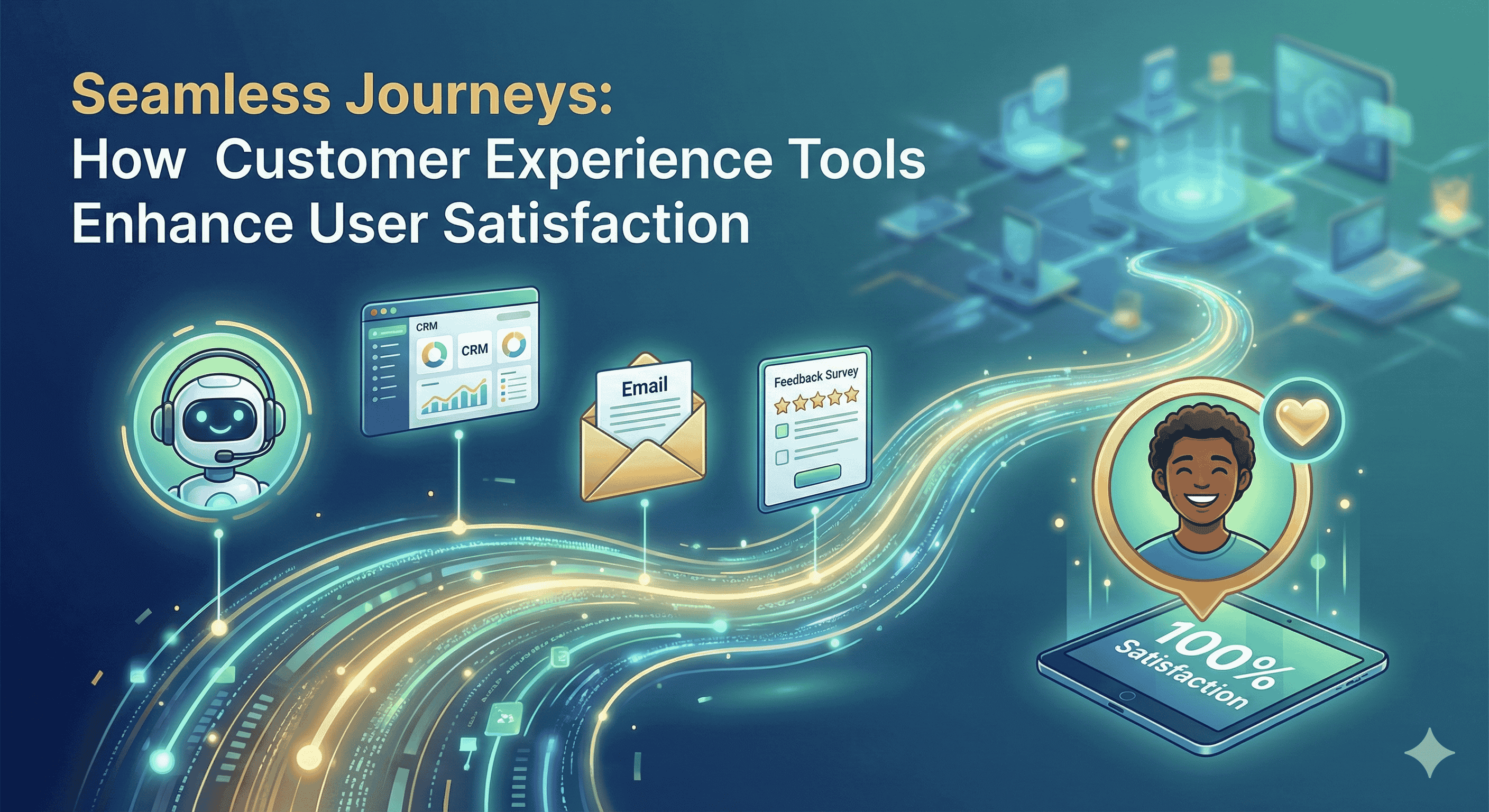
Now, AI is not only enhancing CRM capabilities but also redefining how organizations interact with their customers. The integration of AI allows for predictive analytics, automation of routine tasks, and personalized engagement strategies, creating a seamless and responsive customer experience.
Key Benefits of AI-Driven CRM Integration
Enhanced Data Analytics and Insights
AI algorithms can analyze vast datasets far beyond human capability. By leveraging machine learning, businesses can uncover patterns, trends, and predictive insights that help in understanding customer behavior. This intelligence allows organizations to anticipate customer needs, thus enabling proactive engagement.Personalized Customer Experiences
With AI, CRM systems can now offer hyper-personalization. By analyzing customer interactions, preferences, and demographics, AI can help businesses tailor their marketing campaigns and service offerings. Personalization not only leads to higher engagement rates but also fosters customer loyalty.Improved Lead Scoring and Sales Forecasting
AI can analyze leads based on various attributes and behaviors, improving lead scoring and prioritizing prospects. Sales teams can focus their efforts on leads that are more likely to convert, optimizing resources and increasing sales efficiency. AI-driven forecasting models can also provide more accurate predictions of future sales trends, aiding strategic planning.Automation of Routine Tasks
AI can automate mundane tasks such as data entry, follow-up reminders, and scheduling, freeing up time for sales and customer service teams to focus on building relationships. Chatbots and virtual assistants powered by AI can handle initial customer inquiries, providing instant responses and improving response times.Enhanced Customer Support
AI-driven CRMs can provide real-time support through chatbots and virtual agents, available 24/7. These tools can handle frequently asked questions, troubleshoot common issues, and escalate complex queries to human agents when necessary, significantly improving customer satisfaction.- Sentiment Analysis
By employing natural language processing, AI can analyze customer feedback across different channels—social media, email, and surveys—to measure sentiment and overall customer satisfaction. This enables organizations to address concerns proactively and fine-tune their strategies accordingly.
Challenges of Integration
While the benefits of integrating AI with CRM systems are significant, there are challenges to consider:
Data Privacy Concerns: As businesses collect more data, safeguarding customer information becomes paramount. Compliance with regulations like GDPR is essential to avoid legal ramifications.
Integration Complexities: Merging AI solutions with existing CRM platforms can be complex and require significant investment in technology and training.
- Change Management: Employees may resist adopting new technologies. Organizations must foster a culture of adaptability and provide adequate training.
Conclusion
The integration of AI with CRM systems presents organizations with an unprecedented opportunity to enhance customer engagement strategies. By leveraging AI capabilities, businesses can offer personalized experiences, make data-driven decisions, and streamline operations. As customer expectations continue to evolve, organizations that embrace AI-driven CRM solutions will not only stay competitive but will also redefine what it means to connect with customers in a meaningful way.
Investing in this integration is no longer an option; it’s a necessity for forward-thinking businesses aiming to revolutionize their customer engagement strategies and drive sustainable growth.