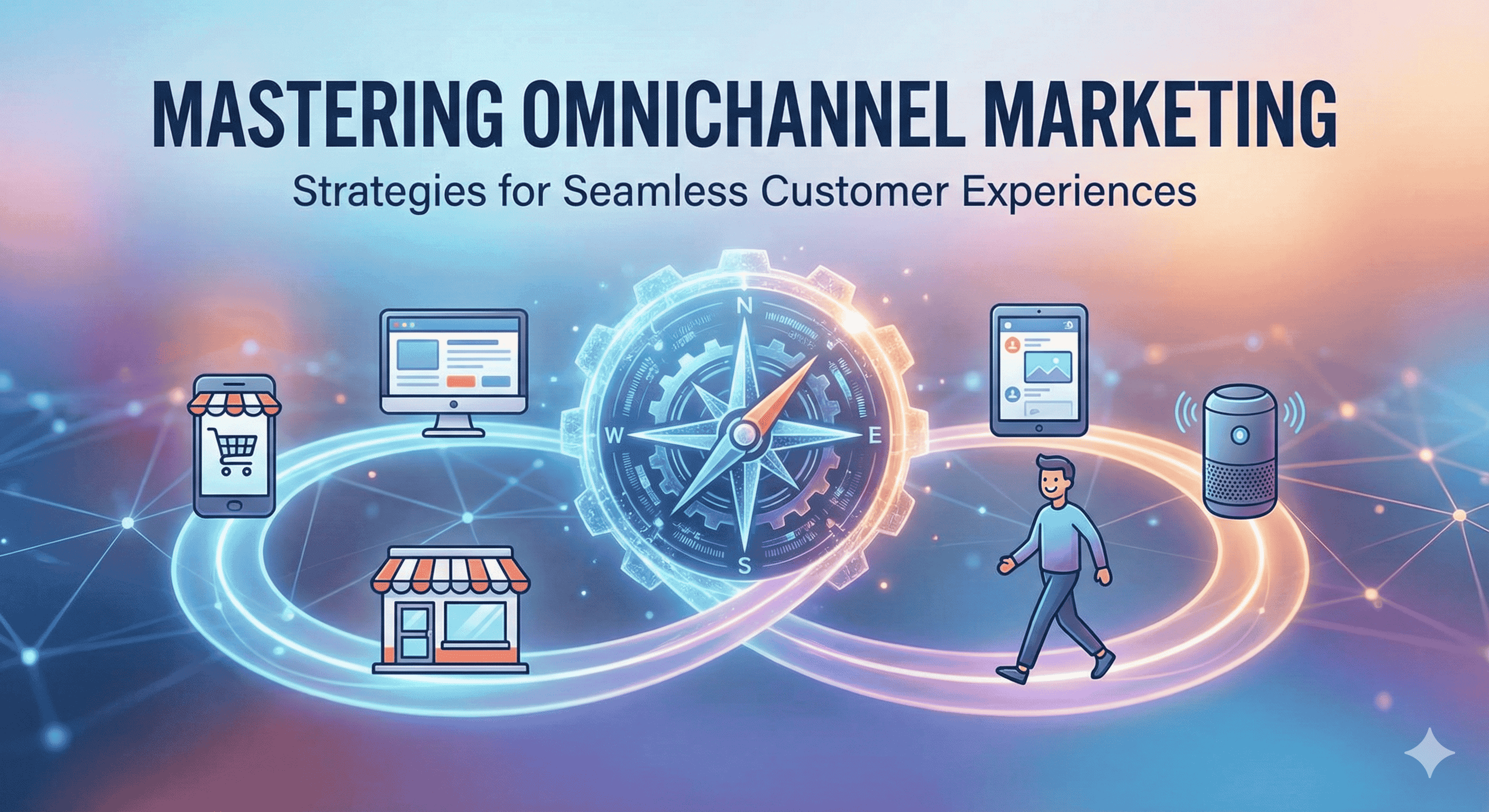
In today’s fast-paced digital landscape, consumers expect a cohesive and personalized experience across all channels. Omnichannel marketing has emerged as a pivotal strategy that integrates various customer touchpoints—both online and offline—to create a unified brand experience. This approach not only enhances customer satisfaction but also drives loyalty and sales. Here’s a comprehensive guide to mastering omnichannel marketing and strategies to implement for seamless customer experiences.
Understanding Omnichannel Marketing
Omnichannel marketing goes beyond simply being present on multiple platforms; it emphasizes the importance of creating an interconnected experience where customers can transition smoothly from one channel to another. This could be moving from browsing a website to shopping in a physical store, or receiving personalized emails that complement their social media interactions.
Key Components of Omnichannel Marketing
Consistency Across Channels: Maintain a uniform brand message, tone, and visual identity across all platforms—social media, email, in-store, and e-commerce.
Integrated Customer Data: Leverage advanced analytics and customer data platforms (CDPs) to gather insights into customer behavior and preferences across channels.
Personalization: Use customer data to tailor content and offers, making interactions relevant and timely.
- User-Centric Approach: Design experiences with the customer in mind. Understand their journey and the various touchpoints that they encounter.
Strategies for Effective Omnichannel Marketing
1. Create a Robust Data Infrastructure
Having access to comprehensive customer data is crucial. Implement data management tools that integrate data from various sources to create a single customer view. This helps you understand customer interactions and preferences, which can be used to inform marketing strategies.
2. Seamless Customer Journey Mapping
Develop detailed customer journey maps to visualize how customers interact with your brand across different channels. Identify potential pain points and opportunities for improvement in the user experience.
3. Invest in Technology
Utilize technology such as CRM systems, AI-driven analytics, and marketing automation tools to streamline operations and ensure data consistency. These tools can help in understanding customer behavior and automating personalized communications.
4. Develop Engaging Content
Create high-quality, engaging content tailored for each channel but consistent with your overall brand message. Whether it’s blog posts, videos, or social media updates, ensure that the content resonates with your audience and reflects their interests.
5. Foster Customer Engagement
Encourage interaction across all platforms. Use social media to engage with customers through comments and direct messaging, and provide opportunities for feedback through surveys and reviews. The more engaged your customers are, the more likely they are to remain loyal.
6. Test and Optimize
Continuously measure and analyze the performance of your omnichannel marketing efforts. Use A/B testing on campaigns, analyze customer feedback, and adjust your strategies based on what works best for your audience.
7. Train Your Team
Ensure that your team is well-versed in omnichannel principles and understands the tools and technologies being employed. Regular training can foster a culture of collaboration and adaptability, essential for executing omnichannel strategies effectively.
8. Implement Loyalty Programs
Create loyalty programs that reward customers for interacting with your brand across various channels. This can include exclusive offers, discounts, or early access to new products, motivating customers to engage with your brand on multiple platforms.
9. Utilize Social Proof
Incorporate testimonials, user-generated content, and reviews as social proof on various platforms. This builds trust and encourages potential customers to engage with your brand.
Conclusion
Mastering omnichannel marketing is not just about creating more channels for customers to interact with your brand; it’s about crafting a seamless experience that enhances customer satisfaction and fosters loyalty. By implementing robust data infrastructure, optimizing customer journey mapping, leveraging technology, and creating engaging content, businesses can create a cohesive brand presence that resonates with customers.
In the competitive landscape of today’s marketplace, an effective omnichannel strategy will not only drive sales but also foster long-term customer relationships, ensuring your brand remains top-of-mind. Embrace the omnichannel approach, and set the stage for sustainable growth and success.