
In an age where data privacy has shifted from a luxury to a necessity, organizations must navigate complex regulatory landscapes to ensure they are safeguarding their customers’ information. The California Consumer Privacy Act (CCPA) stands as one of the most significant regulations in the U.S., aimed at enhancing consumer rights regarding their personal data. As businesses adapt to this new reality, CCPA compliance tools emerge as essential resources for future-proofing data practices.
Understanding CCPA
The CCPA, enacted in 2018, grants California residents several rights concerning their personal information. These rights include:
- The right to know about the personal information collected and how it is used.
- The right to request deletion of personal information held by businesses.
- The right to opt-out of the sale of personal information.
- The right to non-discriminatory treatment for exercising their privacy rights.
With its stringent requirements, the CCPA has influenced not only businesses in California but also those nationwide, as companies seek to model their practices on these robust standards.
The Importance of Compliance Tools
As organizations work to ensure compliance, the complexity of data management, consumer rights, and legal obligations can be daunting. Here’s where CCPA compliance tools play a vital role:
1. Automated Data Mapping
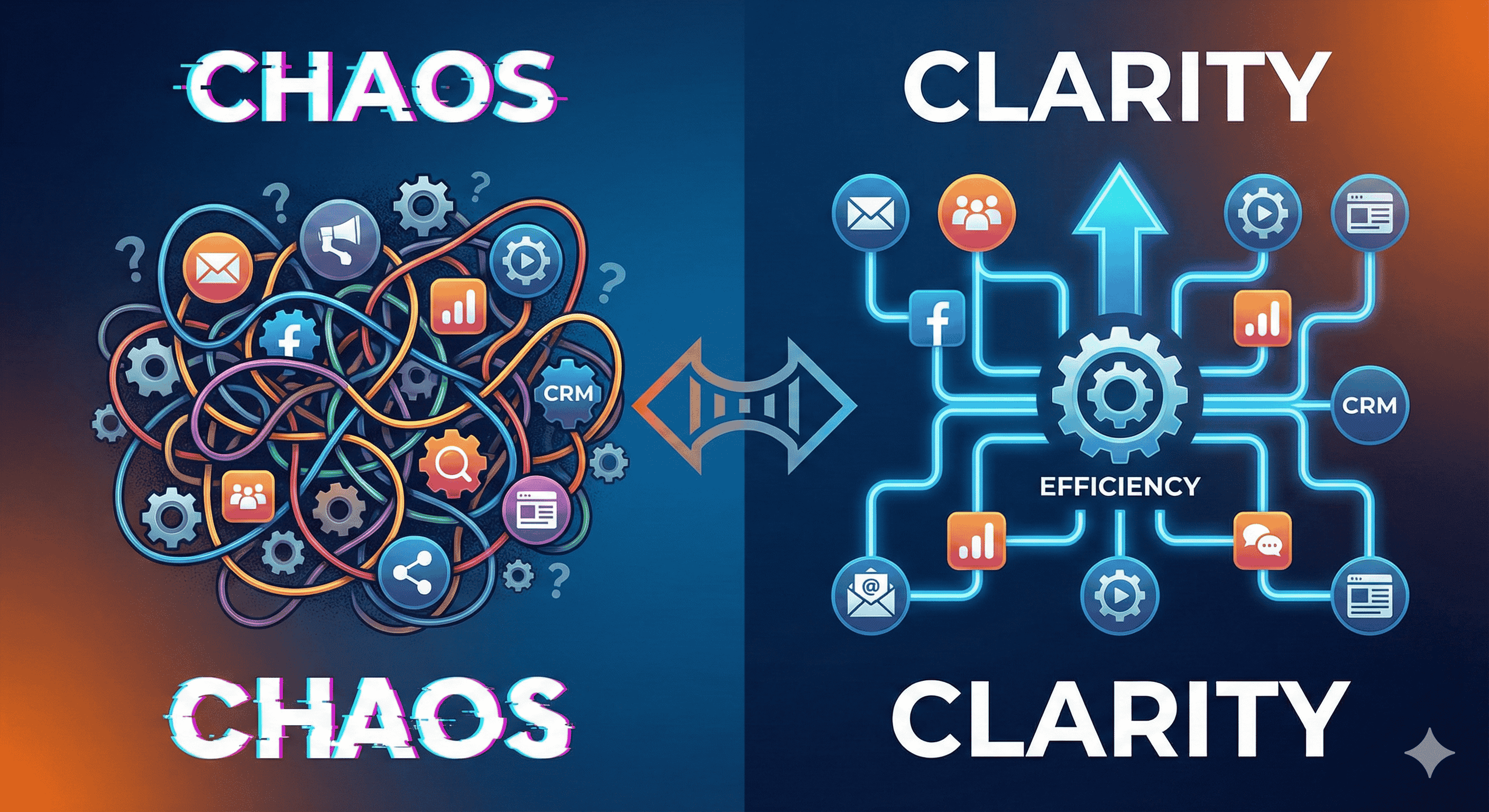
One of the first steps to CCPA compliance is understanding what personal data you’re collecting. Compliance tools can assist in automatically mapping data flows, identifying where personal information is stored, used, and shared within the organization. This visibility is crucial for fulfilling consumer requests and understanding compliance gaps.
2. Privacy Notices and Policies
CCPA mandates that businesses provide clear and thorough privacy notices. Compliance tools can help generate and manage these documents, ensuring that they are easily accessible and comprehensible to consumers. This reduces the risk of misleading consumers and potentially facing fines.
3. Consumer Request Management
With the rights granted under CCPA, consumers can exercise their rights to access or delete information. Compliance tools streamline the process of managing these requests by automating workflows, tracking requests, and ensuring timely responses. This efficiency not only boosts compliance but also enhances customer trust.
4. Risk Assessment and Reporting
Continuous compliance is vital in a rapidly evolving regulatory environment. Compliance tools can assist businesses in conducting risk assessments to evaluate their data practices against CCPA standards. Additionally, these tools often include reporting features that facilitate audits and demonstrate compliance to stakeholders and regulators alike.
5. Training and Awareness
Many CCPA compliance tools come with training modules for employees, ensuring that everyone within the organization understands the importance of data privacy and the specifics of CCPA compliance. This heightened awareness fosters a culture of accountability and vigilance regarding personal data handling.
Future-Proofing Your Data Practices
The role of compliance tools goes beyond mere adherence to CCPA regulations; they serve as a foundation for a more robust data privacy strategy. As global data protection laws continue to evolve—such as the General Data Protection Regulation (GDPR) in Europe and various state-level regulations in the U.S.—organizations that invest in compliance tools today will be better positioned to adapt to future regulatory changes.
1. Scalability and Adaptability
Effective CCPA compliance tools are designed to scale with your business. As a company grows, so do its data handling needs and regulatory requirements. Investing in a flexible compliance tool allows businesses to adapt seamlessly to new regulations or changes in existing laws.
2. Building Consumer Trust
Organizations that prioritize data privacy and transparency signal to consumers that they value their trust. Utilizing compliance tools not only helps in meeting legal obligations but also enhances customer loyalty and brand reputation.
3. Proactive Risk Management
Engaging with compliance tools fosters a proactive approach to risk management. By continuously monitoring data practices and regulatory changes, businesses can anticipate and mitigate risks before they manifest into legal issues.
Conclusion
In the ever-complex realm of data privacy, CCPA compliance tools are not just useful—they are indispensable. They provide organizations with the necessary capabilities to navigate the intricate web of consumer rights and regulatory obligations. By leveraging these tools, businesses can not only ensure compliance but also build a resilient framework that protects consumer data, fosters trust, and prepares them for the future of data regulation. Investing in compliance today is an investment in sustainable, trustworthy practices for tomorrow.