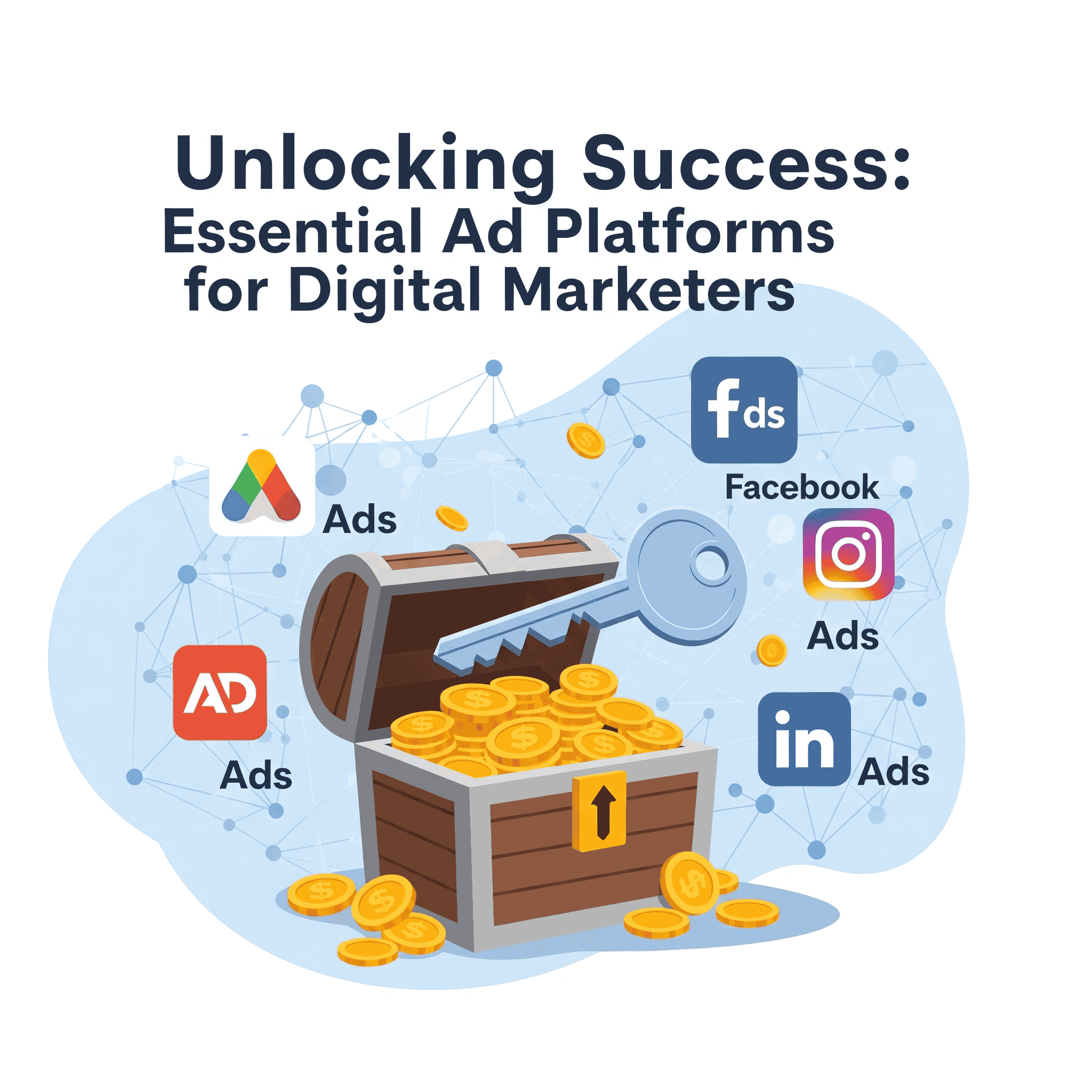
In a digital landscape that evolves at breakneck speeds, digital marketers face the perennial challenge of reaching the right audience effectively and efficiently. With a myriad of advertising platforms available, selecting the right ones can mean the difference between a successful campaign and a costly misstep. This article delves into essential advertising platforms that can unlock success for digital marketers, categorizing them based on their unique strengths and audience reach.
1. Google Ads
Overview
As the cornerstone of online advertising, Google Ads enables advertisers to reach users actively searching for products or services. With various ad formats, including search ads, display ads, and video ads on YouTube, Google Ads offers extensive options for generating leads.
Strengths
- Intent-based Targeting: Advertisers can target users based on their search queries, allowing for high intent and conversion potential.
- Scalability: Google Ads can accommodate budgets of all sizes, making it suitable for small businesses and large enterprises alike.
- Diverse Formats: From responsive search ads to video ads, marketers can choose the format that best fits their campaign goals.
2. Facebook Ads
Overview
With over 2.8 billion active users, Facebook remains a giant in social media advertising. It offers unparalleled targeting options based on demographics, interests, and behaviors.
Strengths
- Advanced Targeting: Facebook’s algorithms allow for hyper-targeted advertising, ensuring that ads reach the most suitable audience.
- Engagement Opportunities: Rich media formats, including carousel ads and instant experiences, engage users more effectively than static ads.
- Remarketing Capabilities: Facebook’s pixel allows marketers to retarget website visitors, boosting conversion rates.
3. Instagram Ads
Overview
Instagram, owned by Facebook, leverages visual storytelling to engage users. It has quickly become a favorite platform for brands looking to connect with younger demographics.
Strengths
- Visual Appeal: The platform’s emphasis on imagery and video makes it ideal for brands with visually striking products or services.
- Influencer Collaborations: The rise of influencer marketing on Instagram provides brands with unique opportunities for partnerships and broader reach.
- Shopping Features: Instagram’s shopping tags allow users to purchase products directly through the app, simplifying the customer journey.
4. LinkedIn Ads
Overview
For B2B marketers, LinkedIn is the go-to platform, enabling businesses to reach decision-makers and professionals. LinkedIn Ads include sponsored content, text ads, and InMail messages.
Strengths
- Professional Targeting: Advertisers can target users based on job titles, industries, and company sizes, ensuring their ads reach key professionals.
- Content-Savvy Audience: LinkedIn users are often seeking insights and information, making it ideal for thought leadership content and lead generation.
- Lead Gen Forms: The built-in lead gen forms streamline prospect data collection, increasing conversion rates.
5. TikTok Ads
Overview
As a video-centric platform, TikTok is rapidly gaining traction among younger audiences. Its advertising options range from in-feed ads to branded hashtags and challenges.
Strengths
- Viral Potential: TikTok’s algorithm can propel content to virality, offering brands an unmatched opportunity for organic reach.
- Creative Freedom: The platform encourages creativity in ads, allowing brands to connect with audiences in innovative ways.
- Engagement Rates: Users often engage with TikTok content, leading to higher interaction rates compared to other platforms.
6. Snapchat Ads
Overview
Snapchat remains popular among younger demographics, particularly Gen Z. With its ephemeral content, Snapchat offers unique ad formats, including Snap Ads and Story Ads.
Strengths
- Compelling Storytelling: The platform encourages brands to tell stories through engaging and visually appealing ads.
- Augmented Reality: Snapchat’s AR features enable brands to create immersive experiences that captivate users.
- Targeted Reach: Advertisers can leverage demographic and interest-based targeting to reach a younger audience effectively.
7. Programmatic Advertising
Overview
Programmatic advertising automates the buying of ad space, using data to optimize targeting. This method increases efficiency and ensures that ads reach the right audience at the right time.
Strengths
- Efficiency: Automated processes save time, allowing marketers to focus on strategy rather than manual ad placements.
- Real-Time Data Insights: Programmatic advertising provides real-time analytics, enabling quick adjustments to optimize campaigns.
- Wide Reach: Through various ad exchanges, programmatic advertising can access a vast network of websites and platforms.
Conclusion
In the competitive world of digital marketing, selecting the right advertising platforms is crucial for achieving success. By integrating a combination of Google Ads, Facebook, Instagram, LinkedIn, TikTok, Snapchat, and programmatic advertising, marketers can maximize their reach, enhance engagement, and ultimately drive conversions. Recognizing each platform’s unique strengths and aligning them with specific campaign goals is essential for unlocking the full potential of digital marketing strategies. As the industry continues to evolve, staying informed about emerging trends and technologies will be vital for sustained success.