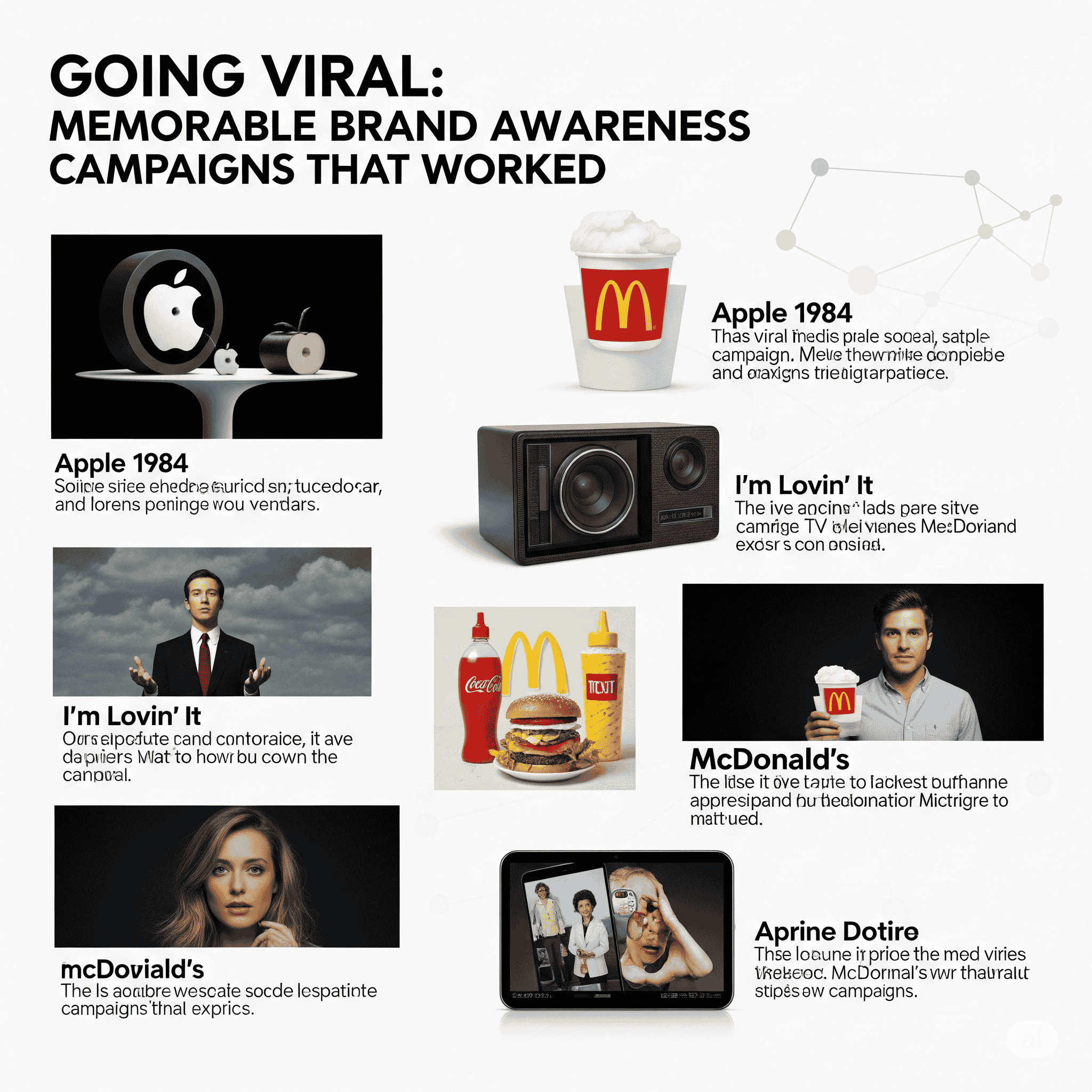
In the realm of marketing, the term "viral" evokes a sense of excitement and endless potential. A campaign that can spread rapidly across the internet can catapult a brand into the limelight, leaving a lasting impact on consumers. But what makes a campaign go viral? Here’s a look at some memorable brand awareness campaigns that not only succeeded but set benchmarks in the industry.
1. Dove’s "Real Beauty" Campaign
Introduced in 2004, Dove’s "Real Beauty" campaign reshaped beauty standards and sparked conversations around body positivity. By featuring women of diverse sizes, ages, and ethnicities, Dove challenged the traditional beauty narrative and resonated deeply with consumers. The campaign not only enhanced brand awareness but also solidified Dove’s dedication to authenticity and self-acceptance, ultimately increasing sales by millions.
Key Takeaway:
Authenticity and emotional connection can create powerful brand loyalty. Consumers appreciate brands that reflect their values and honest realities.
2. Old Spice’s "The Man Your Man Could Smell Like"
In 2010, Old Spice took the internet by storm with their humorous ad featuring actor Isaiah Mustafa. The engaging commercials, coupled with a witty social media strategy, made Old Spice a trending topic. The campaign’s success can be attributed to its clever writing, vibrant visuals, and interactive elements, where Mustafa responded to social media comments directly. As a result, Old Spice saw a significant rise in sales and brand visibility.
Key Takeaway:
Injecting humor and interactivity into your campaign can lead to higher engagement and shareability, making your brand memorable.
3. Nike’s "Dream Crazy" Campaign
Launched in 2018, Nike’s "Dream Crazy" campaign featured Colin Kaepernick and celebrated athletes who overcame adversity. By taking a bold stance on social issues, Nike connected with its audience on a deeper level. The campaign not only sparked extensive media coverage but also generated passionate discussions, showcasing the importance of aligning brand messaging with social movements.
Key Takeaway:
Brands that take a stand on relevant social issues can enhance their identity and build strong connections with their audience, even at the risk of controversy.
4. Coca-Cola’s "Share a Coke"
In 2011, Coca-Cola rolled out the "Share a Coke" campaign, replacing its iconic logo with individual names on its bottles. This personal touch encouraged consumers to buy bottles for themselves and loved ones, significantly driving sales. The campaign successfully leveraged social media, as customers shared photos of their personalized bottles, making it a modern classic in viral marketing.
Key Takeaway:
Personalization can significantly boost engagement and encourage consumer participation, making your campaign feel more intimate and connected.
5. Taco Bell’s "Taco Emoji Engine"
In 2015, Taco Bell launched an innovative social media campaign that integrated user-generated content with emojis. The "Taco Emoji Engine" allowed fans to tweet their favorite combinations of taco emojis, generating personalized content that posed a fun challenge for users. The campaign not only enhanced Taco Bell’s social media presence but also encouraged interaction and creativity.
Key Takeaway:
Utilizing user-generated content can increase engagement while also fostering a sense of community among your followers.
Conclusion
Viral marketing campaigns demonstrate that creativity, authenticity, and a strong emotional connection with consumers are key to success. Brands that dare to think outside the box and engage with their audience on a personal level often find themselves not just surviving but thriving in the digital age. As we continue to navigate an ever-changing landscape, these campaigns serve as a reminder that with the right mix of strategy, ingenuity, and resonance, going viral is indeed achievable.